


Living in Mumbai requires creatively utilizing limited space, balancing family dynamics, and adapting to ever-changing daily routines. My approach to designing shared spaces emphasizes versatility—transforming areas between sleeping, studying, storing, and socializing, all while avoiding that cramped feeling. A thoughtfully designed layout, careful lighting strategies, and the selection of materials with the ideal acoustic and tactile properties can create an unexpectedly cozy atmosphere within a compact footprint of just 90 to 140 square feet, thanks to tools like Homestyler.
Efficient small-space planning is grounded in evidence. Gensler’s Workplace Survey revealed that enhancing focus can boost perceived productivity by as much as 20%. This insight informs how we define sleep and study areas in shared bedrooms. The WELL Building Standard v2 indicates that proper ambient light levels in residential spaces should hover around 150 to 300 lux, while task lighting should fall between 300 to 500 lux. Achieving these lighting tiers is crucial for reducing eye strain in small rooms. I utilize these guidelines to inform my lighting choices, complementing them with dimmers that adjust to Mumbai’s bright daylight and varying monsoon conditions. Additionally, Steelcase’s findings highlight how the ability to customize one’s environment leads to increased satisfaction and reduced stress—features like adjustable furniture and movable screens significantly enhance shared spaces. For further information, refer to WELL v2 at wellcertified.com and explore design research at steelcase.com/research.
Design Priorities for Shared Rooms
In the tight confines of Mumbai homes, the design priorities are clear: flexibility, efficient storage, sound moderation, and quality lighting. Each individual is allocated a small personal space—about 600 to 750 mm wide—complete with a shelf, hook rail, and lockable drawer—ensuring that even if sleeping quarters are shared, a sense of ownership prevails. The use of repeated vertical elements, such as slatted panels and wardrobe fronts, contributes to a sense of order and also makes lower walls appear taller.
Space Planning Tactics
I always start with circulation flow, ensuring there’s a clear path of 750 to 900 mm from the entrance to the window, which avoids collisions and simplifies cleaning. The placement of the bed is a crucial factor; in a room measuring 3 x 3.2 meters, a queen-size bed can comfortably fit with under-bed storage if it’s positioned 150 to 200 mm away from one wall, with the wardrobe on the opposite wall to prevent drawer obstructions. For siblings sharing a room, a low bunk bed (maximum height of 1.6 meters) keeps the ceiling feeling open while allowing enough height for a ceiling fan. When assessing traffic and furniture layouts before finalizing choices, using a room layout simulation tool can provide valuable insights and prevent expensive mistakes: Homestyler offers excellent visualization tools for this purpose.
Lighting Layers That Respect Shared Use
I implement a three-layered approach to lighting: ambient, task, and accent. Ambient lighting should be set at 200 to 300 lux using warm-neutral 2700 to 3500K ceiling fixtures or perimeter coves. For task lighting, aim for 350 to 500 lux with desk lamps or bed-mounted reading lights that feature a color rendering index (CRI) of over 80 and glare control, allowing individual switches to accommodate different schedules. Accent lighting at 100 to 150 lux is used to soften corners and reduce harsh contrasts. Given Mumbai’s potent daylight, pairing sheer curtains with light-diffusing blinds helps mitigate glare while maintaining brightness. To comply with IES glare control standards, I utilize shielding angles and diffusers which reduce discomfort from fixtures that are placed close to eye level.
Acoustic Comfort in Thin-Walled Buildings
In shared rooms, overlapping schedules can lead to disturbances—early calls, late-night studying, and weekend music. I focus on incorporating soft, sound-absorbing materials in high-reflection areas, such as thick rugs, upholstered headboards, and felt-backed wardrobe panels. Strategically placed bookshelves along party walls can act as sound diffusers. Installing door sweeps and a 10 to 12 mm gap around frames can significantly decrease noise from common areas; weatherstripping is a reasonably priced solution that yields substantial benefits. If vibrations transmit through the building structure, I isolate wall-mounted shelves using rubber grommets to curb vibrations.
Color Psychology and Visual Balance
Color choices communicate intent in a space. Soft neutral tones paired with muted blue or sage accents create a calming environment, while a burst of saffron or coral can invigorate a study nook. Research from Verywell Mind indicates that blues and greens promote focus and tranquility, which is particularly relevant in densely populated urban homes. I maintain a balanced color palette: 80% neutral base and 20% accents. Vertical color blocks behind each person’s allocated area establish boundaries without the need for physical walls.
Ergonomics and Micro-Furniture
In small rooms, oversized furniture can become a hindrance. Desks should not exceed 900 mm in width and incorporate shallow drawers to ensure adequate clearance for knees. Chairs with a 5-point base and adjustable heights enhance user posture during extended study sessions; Herman Miller’s studies link ergonomic adjustments to lesser discomfort and improved performance. Nightstands can also serve as wall-mounted ledges with a depth of 250 to 300 mm—sufficient for essentials like glasses and a book but minimal to keep clutter at bay. Outlets should be placed at a height of 450 mm to keep cords from obstructing walking areas.
Storage That Doesn’t Eat the Room
Opt for vertical storage first: ceiling-height wardrobes divided into two zones—shared lower hanging space and personal upper shelves, which can be accessed using a slim step stool. Under-bed drawers with full-extension capabilities and dividers make seasonal rotations effortless. Corner spaces can utilize 300 mm-deep L-shaped shelving with built-in lighting, doubling as display areas while maintaining clean sightlines. When two individuals have differing daily routines, separate laundry bins can help prevent clutter conflicts.
Zoning for Different Routines
It’s essential to delineate quiet and active zones within a shared space. Typically, the wall facing the window serves as the active edge—housing study desks, plants, and task lighting—while the opposite wall designated for beds serves as the quiet area, enhanced with soft lighting and textiles. A low screen or sliding panel can offer temporary privacy for changing or meditative practices. I ensure movable elements are light enough for a single user to adjust independently, fostering a sense of personal control.
Materials That Work in Mumbai’s Climate
Considering the humidity and dust prevalent in Mumbai, every material choice is critical. Laminates or painted MDF with sealed edges can withstand the seasonal challenges of monsoon moisture. Cotton and mixed-fabric curtains dry quicker compared to heavier materials like velvet. I prefer washable wall paint (like eggshell) and removable cushion covers for easy care. For eco-friendliness, I source FSC-certified plywood and low-VOC finishes that contribute to healthier indoor air quality, in line with WELL v2's focus on material and air standards.
Smart Habits to Keep the Room Calm
Rituals are crucial for maintaining order in shared spaces. A nightly routine of about ten minutes—clearing surfaces, organizing chargers, and adjusting blinds—can foster an atmosphere of clarity. Using labeled bins for personal items effectively curbs disputes over space. Establishing agreed-upon light-off times and headphone guidelines is essential; managing acoustics is as much about behavior as it is about building design.
Budget-Friendly Upgrades
Invest wisely in key items: quality task lamps, durable wardrobe fittings, and breathable bedding. Save costs by opting for paint, modular shelving, and DIY wall-mounted ledges. When dealing with lower ceilings, a shallow mounted ceiling fixture with a broad diffuser can provide ample ambient lighting without cluttering the view of ceiling fans.
- Maintain a clear path of 750–900 mm for circulation
- Designate personal vertical sections equipped with a shelf, hook, and drawer for each individual
- Ambient lighting should be 200–300 lux; task lighting around 350–500 lux; using warm-neutral tones from 2700 to 3500K
- Consider a low bunk bed not exceeding 1.6 m, or a queen-sized bed with beneath-storage options
- Incorporate acoustic elements such as a rug, an upholstered headboard, and door seals
- Strategically place outlets at 450 mm height and ensure effective cable management
- Install ceiling-height wardrobes with designated storage zones for shared and personal use
- Utilize a movable screen for temporary separation when needed
FAQ
Q1: What strategies can I use to maximize natural light while avoiding glare?
A: Implement layered window treatments like sheer curtains for light diffusion and light-filtering blinds to control afternoon brightness. Positioning desks perpendicular to windows can minimize screen glare, while task lamps should ideally be in the range of 3000 to 4000K to maintain balanced contrast.
Q2: What are the optimal lighting levels for a shared study nook?
A: Target task lighting at 350 to 500 lux with a CRI of over 80. Ensure ambient lighting stays around 200 to 300 lux to avoid eye strain, following WELL v2 recommendations for a balanced setting.
Q3: Is it feasible to have a bunk bed in rooms with very low ceilings?
A: Select a low-profile bunk that is no more than 1.6 m in total height and offset fans adequately. Using a thinner top mattress along with wall sconces equipped with glare shields can help maintain comfortable headroom.
Q4: How can I mitigate noise between roommates?
A: A combination of soft finishes like rugs, curtains, and upholstered items, along with door sweeps and weatherstripping can effectively reduce noise. Additionally, placing bookshelves against shared walls helps diffuse sound, and establishing quiet hours with the use of headphones can further enhance the living experience.
Q5: What color schemes are best for enhancing focus in shared spaces?
A: A neutral backdrop with muted shades of blue or green in focus areas, paired with limited warm-toned accents, can energize without overwhelming. Color psychology shows that hues in the blue and green spectrum promote tranquility and concentration—ideal for studying.
Q6: Where should I place outlets and charging stations?
A: Position outlets at a height of 450 mm near each individual's area, with cable trays or clips arranged along desk undersides. Creating separate charging ledges can help manage clutter and minimize disputes over space.
Q7: How can I gain privacy without major renovations?
A: Employ lightweight sliding panels, fabric screens, or even a bookshelf as a partition. Ensure these movable elements weigh under 15 to 20 kg so one person can easily adjust them independently.
Q8: What type of storage works best in humid conditions?
A: Opt for ceiling-height wardrobes with ventilated shelves, under-bed drawers containing silica gel packets to absorb moisture, and washable storage bins. Sealed-edge laminates and low-VOC finishes are excellent choices to withstand humidity while maintaining air quality.
Q9: Do small rooms need accent lighting?
A: Yes, even a slight amount of accent lighting (100-150 lux) can enhance a small room by softening corners, decreasing stark contrasts, and preventing that closed-in feeling—especially valuable for bedtime rituals.
Q10: What is the recommended width for the main walkway?
A: A clear path of 750 to 900 mm is ideal; tighter spaces can cause collisions and make cleaning difficult, while overly wide paths in small rooms may waste usable area.

LZ LEISURE ZONE Twin Size Murphy Bed with Shelves,
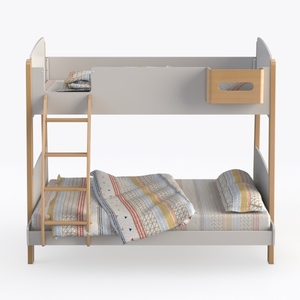
Storkcraft Next Santos Twin-Over-Twin 5-in-1 Conve


Modern Nightstand Simple Solid Wood Rattan Bedside
Homestyler is your go-to online platform for home design! With its user-friendly design tool, stunning 3D renderings, and rich collection of DIY video tutorials, transforming your space has never been easier. Unleash your creativity and explore endless possibilities in home decor today!
Design jetzt kostenlos
































