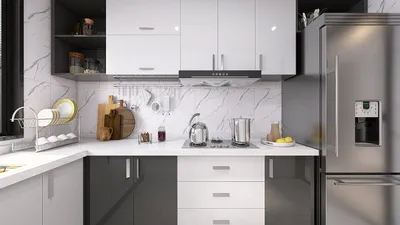


I've transformed small spaces like closets, alcoves with bay windows, and compact home offices into practical Pilates studios. When dealing with limited space, the focus is on creating distinct areas for movement, ensuring safety in reach zones, and incorporating soothing sensory elements. With the right approach, a space as small as 6'×8' can easily accommodate a reformer alternative, mat workouts, and necessary accessories without feeling cramped.
The importance of scale and ergonomic design outweighs mere square footage. The WELL v2 Movement guidelines prioritize dedicated areas for activity and clear visuals to promote physical engagement; even a small, defined space can lead to consistent usage. Research from Steelcase shows that clearly defined environments with understandable pathways and specific micro-zones enhance engagement while reducing mental strain. These concepts are especially beneficial in a limited Pilates studio, ensuring every inch is utilized efficiently. For more insights on establishing movement-friendly spaces, check out the WELL Building Standard (v2) and the findings from Steelcase research.
Quality of light and noise levels should also be thoroughly considered. During daytime practices, I target a lighting quality of 300–500 lux on the mat, along with a warm color temperature of 2700–3500K to help maintain focus—comfort levels that many of my clients appreciate for the long haul. In terms of color selection, insights from Verywell Mind highlight that softer greens and blues promote calmness and tension reduction, which are particularly beneficial for focused breathing and spinal movements.
Space Planning for Efficient Pilates Design
Begin by establishing the essential movement area: a typical Pilates mat measures about 24"×68"; ensuring a clear zone of at least 30"×84" allows for free movement of limbs. Maintain a 24" circulation path on at least one side to facilitate smooth transitions and equipment changes. If you're incorporating a space-saving reformer or foldable board, factor in the storage area and the needed motion range, preserving 6–8 feet for footbar activities.
Before finalizing layouts, I utilize an interior layout planner to visualize reach zones, storage spaces, and mirror locations. A quick simulation with a room layout tool can reveal potential issues with door swings, wall bars, and light fixtures, ensuring that you do not sacrifice comfort for aesthetics. Consider using tools like the Homestyler layout simulator for effective planning.
Lighting: Creating a Calm Atmosphere with Clarity
Layering your lighting can significantly enhance the tranquility and precision of your Pilates space. I typically combine a diffused ambient layer, such as wall-washing sconces or cove lighting, with a dimmable task light for areas where participants’ heads and torsos reside during mat exercises. Aim for a lighting level of 300–500 lux for optimal task visibility while maintaining consistent color temperatures between 2700–3500K to prevent distractions. Mitigate glare by angling LED lights away from direct sightlines; using indirect uplighting or sconces with opaque tops works exceptionally well. If mirrors are included, adjust the direction of the sconces to avoid double reflections and ensure the luminance contrast is comfortable, preventing distractions during roll-up exercises.
Selecting Appropriate Colors and Materials
In smaller studios, employing a low-chroma color palette can create a visually calming effect, allowing boundaries to disappear. Colors like desaturated sage, soft mist blue, and warm gray help enhance focus during breath work; as noted by Verywell Mind, these cooler hues correlate with reduced tension and arousal. For finishes, opt for matte and tactile textures to lower glare and improve grip—rubber or cork flooring (6–9 mm) provides cushioning for joints and minimizes noise, while natural fibers like cotton or linen can soften acoustics. Always aim to keep volatile organic compounds (VOCs) to a minimum by selecting third-party certified adhesives and floor mats to ensure the area smells fresh even after private sessions.
Functional Storage Solutions That Enhance Aesthetics
Incorporate wall-mounted racks with shallow bins to neatly organize rings, balls, and bands. A slim 12–14" deep credenza can conceal larger equipment while also serving as a bench for leg exercises. I favor vertical storage solutions: placing pegs at 60–66" above the floor for straps and 48" for bands keeps them accessible while remaining tension-free. Include a narrow vertical compartment (4–5") for sliding the mat edgewise; this ensures it stays flat and dry. If wall space is limited, consider a tall cabinet with adjustable shelving and a mirrored door that combines both storage needs and coaching feedback.
Maximizing Acoustic Comfort in Limited Spaces
Since Pilates practice emphasizes quiet breathing, untreated spaces can amplify any noises from neighbors. Increase sound absorption by adding 0.4–0.6 Sabins per square foot using soft materials: a 6–9 mm rubber floor, an area rug with 50–70% coverage around the mat, and a broad linen drape can significantly minimize echo. Seal the door with weather-stripping and install a dense door sweep to block corridor sounds. Avoid direct airflow from HVAC grilles hitting the mat head to prevent disruptive noises during inhalation.
Focus on Ergonomics and Human-Centric Design
Ensure that head clearances are predictable. For supine exercises, a minimum space of 18" beyond the mat head is necessary to prevent wall contact during arm movements. Wall bar or anchor points should be located at 42–48" above the floor for average users, with additional anchor points at 60–66" for taller individuals and standing series. Always maintain neutral reach zones: frequently accessed items should be within 24" to 48" to avoid unnecessary strain. Ensure that mirrors are placed so that their bottom edge is 12–18" above the floor, allowing for spinal alignment checks without cropping foot positioning during roll-downs.
Selecting Equipment for Compact Studios
When space doesn't permit a traditional reformer, a foldable reformer board or a combined tower-and-mat setup can provide spring resistance without occupying significant floor space. Opt for elastic bands with door anchors that secure from the hinge side for added safety. Equipment like a compact foam roller (12–18") and low-profile Pilates arc can be conveniently stored together on a shelf. If including a small reformer, be sure to choose models with wheels and vertical storage features; verifying ceiling height is crucial to ensure safe tilting and proper installation of wall cleats.
Establishing Rhythm, Breath, and Visual Symmetry
Tightly designed spaces benefit from having a distinct focal point. I favor a singular vertical feature—either a mirror panel or wooden slats—to create the illusion of space, complemented by a broad horizontal element like a bench or low cabinet for balance. Strive for visual consistency: maintain a wall-to-opening ratio of 2:1 to minimize visual chaos. Introducing a single upright plant (such as a sansevieria) adds a touch of nature without occupying floor space; place it outside the reach of the mat's swing area.
Safety and Maintaining Micro-Hygiene
Incorporate round-edge furniture, concealed cable management systems, and low-profile power strips mounted 12" above the floor, away from the workout mat. Non-slip mat storage and flooring with a minimum of ≥0.42 wet DCOF help avoid slips after practice. A slim, pull-out bin for wipes and towels, combined with breathable storage solutions for props, helps prevent moisture buildup.
Utilizing Data-Driven Touchpoints
- The WELL Building Standard (v2) outlines the design of movement-enabling spaces, emphasizing dedicated zones and features to promote physical activity (reference: WELL v2 Movement section on wellcertified.com).
- Research from Steelcase highlights the relationship between spatial clarity and increased engagement, linking clearly defined micro-zones and pathways to lower cognitive strain (reference: steelcase.com/research).
- Insights from Verywell Mind connect cool, muted colors to calming effects, aligning well with focused breathwork during Pilates sessions (reference: verywellmind.com/color-psychology).
Quick Design Suggestions for Common Room Configurations
Position the mat lengthwise in the room; include a 10–12" deep wall shelf at the end, with a mirror mounted on the longer side wall. Use a single indirect sconce at shoulder height to prevent glare while lying flat.
Remove doors but keep the header for structural support, adding a curtain on a ceiling track. A cork floor tile system helps with decoupling from the subfloor and enhancing the room’s acoustics. Fit two anchor points (42" and 62" above floor) for bands and tower-like workouts.
Set the bed 6–8" off the wall to ensure a 30" circulation path for the Pilates area. A low, 12–14" deep bench serves as both a nightstand and storage for props. Use an interior layout planner to ensure clearances before moving furniture around; Homestyler layout tools can help in visualizing potential issues.
A Recommended External Resource
Consult the WELL Building Standard v2 for evidence-based strategies on creating activity-supportive and restorative environments. Access it at wellcertified.com.
FAQs
Q1. What is the minimum space required for a functional Pilates setup?
Ideally, allow for a clear zone measuring 30"×84" for the mat and an additional 24" circulation space on one side. If introducing a compact reformer, maintain 6–8 feet of clear distance for footbar functionality and carriage movement.
Q2. What type of lighting is optimal for a focus-driven practice?
Implement layered lighting achieving 300–500 lux at the mat with a color temperature of 2700–3500K. Favor indirect sconces or cove lighting to reduce glare when lying supine.
Q3. Which colors enhance concentration and relaxation?
Warm grays, soft greens, and blues minimize visual distractions and promote a calm focus. Low-chroma schemes can also create a feeling of spaciousness in tight environments.
Q4. How can I manage noise levels in a compact apartment?
Introduce soft materials such as rubber or cork flooring, fabric wall decorations, and insulated door strips. A dense door sweep and floor runners outside the room can further help absorb corridor noise.
Q5. What type of storage is ideal without overcrowding the space?
Vertical storage systems like rails, shallow shelves (12–14"), and pegs positioned at 48–66" above the floor allow for easy access. Include a narrow slot for mats and a tall cabinet with a mirror door to streamline function.
Q6. Is it feasible to include a reformer in a small space?
Yes, as long as you opt for a foldable or vertically stored model and confirm the height and wall cleat requirements. Alternatively, a tower-and-mat combination or a reformer board with springs can deliver similar resistance training.
Q7. Where should mirrors be positioned?
Mount mirrors with the bottom edge at 12–18" above the ground to facilitate tracking of alignment in the spine and pelvis. Avoid direct reflection towards high-intensity lighting to reduce glare.
Q8. How can I ensure safety within the studio?
Utilize furniture with rounded edges, organize cables with trays, install flooring with a minimum ≥0.42 wet DCOF, and position anchors at suitable heights. Storing bands and rings at neutral reach levels can prevent overextension injuries.
Q9. What's the best approach to maintaining air quality and ventilation?
Create gentle and indirect airflow; keep air supply outlets away from the mat area. Select low-VOC mats and adhesives, and ensure air circulation post-practice by opening windows or utilizing a quiet fan.
Q10. Can I adapt this design for a guest room or office?
Yes, you can design a multifunctional area with a 12–14" deep bench for props that can double as seating, along with a fold-down desk or wall bed. Always validate clearances with a layout planner before purchase to ensure practicality.
Q11. What is the best flooring for a Pilates setup?
Using 6–9 mm rubber or cork flooring provides comfort for joints while effectively dampening sound without causing excessive bounce. For hard surfaces, consider layering a natural rubber mat with a thin felt underlayment for maximum comfort.
Q12. How should I set up anchors for bands safely?
Install lower anchors at 42–48" and upper anchors at 60–66" above the ground, ensuring they are secured into wall studs or blocks. Use door anchors on the hinge side only, and conduct initial tests with minimal tension to ensure secure operation.
What began as an Autodesk innovation has evolved into a design platform used by more than 18 million people around the globe. Homestyler combines powerful rendering, an intuitive editor, and a vast furniture library to help you turn inspiration into photorealistic designs — whether you're redesigning a single room or planning an entire home.

Modern Minimalist Fabric Metal Dining Table and Chair Set 3D Model
Modern Adjustable Metal Plastic Student School Desk 3D Model
Modern Two Tone Metal Leg Dining Table 3D Model
Looking to transform your space? Homestyler is the ultimate online home design platform for you! With its user-friendly design tool, stunning 3D renderings, and a vast selection of design projects and video tutorials, you can effortlessly create and visualize your dream home—no experience needed!
Design Now for FREE
































