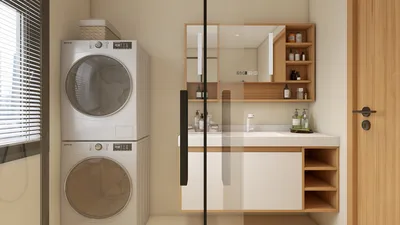


Creating a wardrobe tailored for small spaces begins with understanding the essential needs of users—reach capabilities, adequate lighting, and habitual usage—prioritizing functionality over mere aesthetics. I emphasize vertical storage options, tailored compartment sizes, and unobstructed pathways, recognizing that a beautifully designed space becomes ineffective if it hinders movement or access. In small bedrooms and studio apartments, I envision the wardrobe as an integrated storage feature: streamlined designs, thoughtfully arranged compartments, and doors that facilitate ease of movement, which can be effortlessly planned using Homestyler.
Research indicates that the quality of our surroundings significantly influences our daily productivity. As per the WELL Building Standard (WELL v2), effective task lighting and reduced glare enhance visual comfort and minimize fatigue, directly influencing our engagement with storage areas. Insights from Steelcase on workplace ergonomics highlight that optimized reach zones lead to reduced physical strain and increased efficiency when performing repetitive activities, like dressing or retrieving folded items. These principles effectively transition to designing wardrobes for compact living spaces.
In my experience, the most effective compact wardrobes harmonize lighting, ergonomic reach zones, and versatile modules. I categorize items based on how frequently they are used, ensuring everyday essentials are positioned between 20 to 50 inches from the floor, a comfortable range for the majority. Seasonal and bulk items are stored higher, while heavier bins are placed lower. A narrow footprint can be functional when the internal configuration is intentional and door design complements movement, a feature easily refined using tools like Homestyler.
Plan the Basics: Dimensions, Doors, and Circulation
Begin by assessing the fundamental elements: ceiling height, clearance between the bed and wardrobe, and door movement. Sliding doors are ideal for tight spaces, often requiring just 24 to 30 inches of room in micro bedrooms, while bifold doors can be effective if their swing is compatible with adjacent furniture like nightstands. I aim for a minimum depth of 22 to 24 inches in front of the wardrobe to ensure easy access. If your room layout requires validation, a design visualization tool can help simulate door swings and circulation pathways, making planning straightforward with Homestyler.
Organizing Internally: Allocate Space by Item Category
I categorize wardrobe compartments based on user behavior. Tops and commonly used bottoms are best suited in mid-reach drawers (approximately 8 to 10 inches high), while bulkier items like sweaters and knitted garments should occupy ventilated shelves to maintain their shape. Formal attire deserves full-height hanging space, while everyday shirts can share shorter rails. Adjustable shelving allows the wardrobe to adapt over time with a few easily maneuvered holes for re-spacing.
Maximizing Vertical Space: Double Hanging and Slim Profiles
In small spaces, vertical utilization is key. I frequently recommend double hanging systems for shirts and jackets, stacking two rails with about 38 to 40 inches of space between them. Long dresses and coats require a dedicated taller space. Utilizing slim-profile hangers can increase capacity by 10 to 15 percent without causing overcrowding. When space is at a premium, consider pull-forward rails or side-hanging systems that allow garments to rotate outward, enhancing accessibility and visibility.
Effective Lighting for Clothes and Visibility
Proper lighting in wardrobes not only saves time but also preserves the true colors of fabrics. I prefer the use of LED strips with a warmth range of 3000 to 3500K for accurate color representation, paired with a high Color Rendering Index (CRI of 90+) to prevent fabric misrepresentation. The recommendations from the Illuminating Engineering Society support sufficient vertical light for closets, and combining motion sensors with diffused lighting minimizes glare upon door opening. It's prudent to place lighting fixtures away from direct sightlines to avoid reflections that might distract from the wardrobe's design.
User-Focused Design: Reach, Handles, and Accessibility
My designs prioritize natural reach, placing mid-bays for frequently worn items, low bays for heavier storage, and high bays for less-used seasonal pieces. Handle positioning should align with typical hand heights—around 36 to 42 inches—ensuring comfort during use. Incorporating soft-close hardware avoids startling impacts, while full-extension slides allow for complete access to drawer contents, eliminating hidden clutter. In constrained areas, I opt for recessed handles on sliding doors to maintain a sleek profile.
Smart Storage Solutions: Drawers, Bins, and Dividers
Drawers can be transformed into organized spaces with dividers that create distinct categories for socks, belts, and accessories. Shallow drawers (4 to 6 inches) help maintain order and discourage stacking chaos. For storage bins, breathable materials or perforated designs allow for air circulation, essential for maintaining fabric integrity. A slim pull-out tray can be incorporated for daily essentials such as watches, wallets, and keys, ensuring a streamlined morning routine.
Strategic Hanging: Rail Heights and Distancing
Standard hanger heights serve as guides when planning your wardrobe: approximately 60 to 62 inches for dresses and long coats, around 40 inches for shirts, and about 28 to 30 inches for pants folded over hangers. A minimum of 1 inch of clearance above hangers will reduce snagging on shelves. Ensure at least an inch of space between hangers to prevent shoulder creases, as crammed rails lead to increased friction during dressing and can create wrinkles.
Narrow Solutions: 18–22 Inch Depth Wardrobes
When faced with tight spaces, wardrobes with depths of 18 to 22 inches can still be effective. I enhance shallower carcasses with side-access pull-outs, valet arms, and tilting shoe racks. For footwear, angled shelves are advantageous, offering space-saving clarity. If ultra-slim doors are necessary, I recommend avoiding heavy mirror panels and opting for pull-out mirrors to minimize weight while ensuring ease of use.
Accessories and Shoes: Layered Storage Systems
Accessories perform best in layered setups: utilizing hooks for belts, rails for scarves, and pull-out trays for easy access. I incorporate vertical 'ladder' frames along side walls to accommodate slim hooks without encroaching on space. Felt-lined trays help protect jewelry, minimizing noise from movement. Hats are best stored on shallow shelves, spaced appropriately to maintain their shape without being stacked.
Material Selection: Durable and Sustainable Choices
The materials used should enhance clarity and longevity in wardrobe design. I prefer matte laminates or low-sheen lacquer to reduce glare, combined with edge-banded plywood or high-density particleboard for structural integrity. For environmentally conscious builds, opting for FSC-certified woods and low-VOC finishes is advisable. Ventilation gaps within back panels are crucial to diminish mustiness—especially beneficial in older properties with cooler exteriors.
The Psychology of Color and Creating Calm Spaces
Color choices influence perception and decision-making fatigue. Soft neutrals and muted tones minimize visual clutter, allowing outfits to stand out clearly. Incorporating warm-neutral tones (such as beige-gray or bone) within interiors can enhance the appeal of fabric colors without creating harsh contrasts. If vibrant hues are part of the design, it’s best to use them for small accents—like on drawer fronts or handles—to maintain an overall tranquil environment.
Acoustic Comfort in Wardrobe Design
Even at the closet level, acoustic comfort is significant. Implementing soft-close hinges, felt pads, and rubber dampers can minimize sound disturbances during early morning routines. In shared or compact living spaces, this quietude is essential for harmony. To enhance the experience further, I suggest using lighting systems with gradual fade-in timers to avoid stark brightness in dimly lit areas.
Designing for Integration: Wardrobe as a Key Element
In smaller apartments, wardrobes often serve as functional millwork. I align their design with existing architectural lines—such as door frames and window sills—to maintain visual equilibrium. When the bed faces the wardrobe, incorporating mirror panels can create a sense of depth, tempered with matte frames to prevent glare. For complex layouts, leveraging a layout simulation tool can visualize traffic flow, clearance, and furniture proportions, simplifying design processes using tools like Homestyler.
Lighting and Standards: Making Informed Choices
Achieving clarity in lighting design is a measurable aim. The WELL v2 emphasizes the importance of balanced illumination, effective glare control, and user-centric comfort, advocating for high-CRI LEDs and diffuse lighting solutions. For discerning labels and assessing fabric textures, adhering to IES guidelines for vertical illuminance is vital to avoid shadowy areas that hinder visibility.
Maintaining Order: Systems for Easy Upkeep
The most effective compact wardrobes are designed for easy maintenance. Labeling storage bins, maintaining consistent divider systems, and scheduling seasonal rotations are best practices. I recommend establishing a maximum capacity to avoid clutter—if drawers bind or compartments overflow, it's an indication to reorganize. Conducting simple monthly checks helps restore order and streamlines morning decision-making processes.
Frequently Asked Questions
For constrained spaces, widths of 18 to 22 inches work well with slim-profile hangers and angled shoe racks. A width of 24 inches comfortably accommodates standard hangers without overcrowding.
Using LED strips with a warmth range of 3000 to 3500K and CRI ratings of 90+ ensures accurate color representation. Incorporating diffusers and motion sensors alleviates glare when doors open. IES guidelines support sufficient vertical illumination for storage tasks.
In tight rooms, sliding doors are effective for maintaining circulation. If using hinged or bifold doors, ensure a clearance of at least 22 to 24 inches in front of the wardrobe is maintained without interference from nearby furniture.
Double hanging for shirts and jackets is recommended, maintaining about 38 to 40 inches of space between each rail, with designated taller areas (60 to 62 inches) for longer garments.
Combine shallow drawers (4 to 6 inches) for accessories with mid-height drawers (8 to 10 inches) for folded tops and bottoms. Full-extension slides effectively prevent hidden clutter.
Utilize pull-out trays, rails for belts and scarves, and vertical 'ladder' frameworks along side walls. Felt-lined trays are ideal to safeguard jewelry while minimizing noise.
Yes, opting for soft neutral shades reduces visual clutter and decision fatigue. Limit bold colors to accent features to ensure garments remain visually distinct against a calm backdrop.
Daily essentials should ideally be in mid-reach (approximately 20 to 50 inches from the ground). Heavier items are best placed at lower levels, whereas seasonal pieces can go higher. Aligning handles around 36 to 42 inches facilitates comfortable access.
Utilize a design visualization tool to assess clearance, door swing, and furniture proportions. Aligning wardrobe heights and features with existing architectural lines helps achieve a balanced visual flow.
Choose durable options like FSC-certified materials, low-VOC finishes, and resilient laminates. Incorporating ventilation gaps in back panels can help reduce mustiness and prolong garment life.



Homestyler is your go-to online home design platform! With its user-friendly design tool, stunning 3D renderings, and a wealth of DIY video tutorials, you'll effortlessly transform your interior ideas into reality. Whether you're a novice or experienced designer, Homestyler inspires creativity in every project!
Projete agora para LIVRE
































