

In Atlanta, I've assisted numerous small retailers in establishing their presence, from charming boutiques to trendy pop-up shops. The right small retail space can make a significant impact when its location, design, and lighting harmonize. According to Gensler’s 2023 City Pulse report, Atlanta's retail scene is steadily recovering, with increased pedestrian traffic in mixed-use areas. Additionally, Steelcase's 2024 insights reveal a consumer preference for authentic, local shopping experiences—this trend bodes well for unique small-format stores utilizing tools like Homestyler for layout planning.
Customer comfort is key to extending dwell time and boosting sales. WELL v2 guidelines suggest achieving a light level of 300-500 lux for general circulation in retail spaces, with accent lighting on merchandise reaching up to 1000 lux for optimal contrast. I typically aim for a base layer illuminance of 350-400 lux along with a 3:1 ratio for accent to ambient lighting. Furthermore, color psychology plays an essential role; as indicated by Verywell Mind, warm tones can enhance the perception of warmth and energy. I incorporate warmer lighting (2700-3000K) around high-traffic product displays while providing neutral lighting (3500-4000K) for overall visibility.
Understand the Micro-Market
Retail in Atlanta thrives on its hyperlocal dynamics. For instance, the indie atmosphere of Edgewood contrasts sharply with Buckhead’s luxury appeal, while West Midtown attracts design-oriented brands. Before visiting potential locations, it's vital to analyze your customer demographics and foot traffic patterns. I monitor midday and early evening traffic on weekdays compared to weekends, adjusting store operating hours accordingly. Collocating with cafes and fitness studios can significantly enhance visitor frequency. For those planning on hosting frequent events or deliveries, selecting streets that allow for convenient curbside parking is essential.
Square Footage and Spatial Ratios
Typical small retail spaces range from 500 to 1,500 square feet. In designing a compact boutique, I allocate approximately 55-60% of the space for selling, 20-25% for back-of-house operations, 10-15% for fitting or demonstration areas, and another 5-10% as a buffer for flexibility. This configuration ensures smooth circulation while facilitating micro-fulfillment. In tight layouts, I prioritize a main aisle width of 42-48 inches and a minimum of 36 inches for secondary aisles, accommodating accessibility and strollers. When exploring different designs, utilizing an interior layout tool can simulate sightlines and fixture arrangements without interrupting traffic flow.
Visibility, Entries, and Storefront Strategy
Retail spaces located at corner bays or near intersections tend to attract more spontaneous visits compared to those situated mid-block. I keep the first 8-10 feet inside the entrance uncluttered and visually welcoming, steering clear of tall fixtures that may obstruct sightlines. Positioning feature tables at a 30-45 degree angle facilitates a natural right-hand movement through the space. Window displays should effectively showcase products at eye level while maintaining a horizontal band that hints at the activity within the store. Utilizing 3000K accent lighting in window displays helps prevent harsh reflections.
Lighting: Layered, Efficient, and Glare-Controlled
In small retail environments, we can blend ambient (like linear LEDs and track lighting), accent (narrow-beam spots to highlight featured products), and task lighting for the checkout counter. To mitigate glare, I ensure that shielding angles are at least 30 degrees and nearby surfaces have matte finishes. Adhering to IES recommendations for lighting consistency helps avoid eye fatigue, while dimmable drivers with preset scenes enable a seamless transition from daytime retail to evening events. I maintain a minimum CRI of 90 for apparel and food products as color accuracy helps minimize returns and builds customer confidence.
Acoustic Comfort in Small Footprints
Hard surfaces can exacerbate noise levels. To reduce reverberation, I often employ acoustic ceiling clouds over entry points and cash registers as well as felt wall panels near fitting rooms. Targeting an RT60 around 0.6-0.8 seconds can provide clarity without creating a deadened sound. Incorporating soft materials such as area rugs, upholstered seating, and product displays with textile components can soften the environment without sacrificing a professional appearance. Calming soundscapes can prolong consumer visits and enhance employee focus.
Color Psychology and Brand Atmosphere
To keep small retail spaces from feeling confined, warm neutrals and muted tones are preferable. Accent colors should be utilized sparingly to direct traffic: a soft green area to encourage exploration, a terracotta display for new items. Aligning with Verywell Mind's guidance on color psychology, I've observed that reds energize, blues promote calmness, and yellows attract attention. These hues should be applied as micro-accents rather than overwhelming your space with color unless your brand intentionally focuses on bold aesthetics.
Fixture Strategy and Flexible Merchandising
In smaller retail stores, fixtures act as the foundation of your layout. I recommend designing adaptable bays with movable shelves, foldable tables for events, and lightweight gondolas on casters. It's crucial to keep the heights of primary fixtures below 60-66 inches along main sightlines while reserving taller storage solutions for back walls. Incorporating under-shelf lighting ensures that products are visibly illuminated without shadows. A compact cash wrap with concealed storage enhances efficiency and cleanliness, with an ergonomic working height of approximately 36-38 inches.
Back-of-House Efficiency
Space constraints in small stock rooms necessitate smart organization. I favor vertical shelving that extends to 96 inches, secured with anti-tip brackets, and a narrow packing workspace at a height of 30-32 inches. If you handle online shipping, designate a 3-4 foot area equipped with a label printer, bins, and poly-mailers, ideally situated within 15-20 feet of the entrance for quick drop-offs. Establishing a mini-laundry or steamer station can streamline tasks for clothing items, with clear task lighting between 500-700 lux to reduce errors.
Lease Terms and Negotiation Tactics
When entering lease negotiations, come prepared with a checklist including base rent, lease duration, tenant improvement allowances, rent-free periods, signage rights, operating hours, and renewal options. In mixed-use developments in Atlanta, tenant improvement funds can be allocated to enhance lighting systems—advocate for LED upgrades and additional electrical circuits. Request exclusive-use clauses if your offering is specialized and push for a phased opening plan (soft launch followed by a full launch) to evaluate operations prior to the busiest shopping season.
Zoning, Permits, and Build-Out
Confirm zoning alignment and necessary permits at the outset. Strategically plan for electrical loads to accommodate lighting, point-of-sale systems, security, and HVAC requirements. In older structures, it’s wise to allocate a budget for potential panel upgrades. For sustainability, specify high-efficiency LED fixtures, low-VOC paint, and responsibly sourced millwork when feasible. Durable and easily maintainable flooring options such as rubber, sealed concrete, or commercial-grade LVT are ideal for Atlanta’s humid climate and thoroughfare demands.
Security and Technology Integration
Small shops benefit from intuitive and discreet security systems: overhead cameras ensuring comprehensive coverage of entry points and cash wraps, plus electronic article surveillance if theft risk is significant. Place POS systems in shaded areas to minimize glare on screens. Digital price tags facilitate adjustments for frequent markdowns. Analytics tools like heat mapping can help identify poorly utilized areas—by relocating fixtures seasonally, you can revitalize customer engagement pathways.
Testing Your Layout Before You Sign
Before finalizing a space, I frequently create two to three layout configurations. Engaging with an interior layout planner can help visualize clearances, points of interest, and customer flow, allowing for adjustments related to seasonal displays such as holiday-themed setups without obstructing circulation. Using a digital model can accelerate decisions on millwork and reduce the likelihood of costly change orders.
Budget Priorities for Small Retail
Allocate funds where they create the most noticeable impact on customer experience: lighting, the first 20 feet of finishes, and significant fixtures. Save costs in back-of-house areas by opting for standardized shelving and resilient, classic materials. Remember to pre-wire for potential future enhancements (more accent lighting, digital displays) to allow for growth without extensive renovations.
Location Checklist for Atlanta
- Proximity to complementary businesses (coffee, fitness, specialty grocery)
- Clear visibility from two directions or near intersections
- High walkability scores and evening foot traffic data
- Convenient customer parking within 200-300 feet
- Easy loading access for deliveries and events
- Clearly defined signage rights, blade sign permissions, and window display guidelines
- Adequate safety lighting in sidewalks and alleyways
- Opportunities for collaborative pop-ups and partnerships with local artisans.
FAQ
Q: What is the ideal size for a first small retail store in Atlanta?
A: A space of 700-1,200 square feet is ideal for maintaining clear circulation while providing enough area for effective merchandising and back-of-house functionalities. If the space is under 600 square feet, careful planning of fixture heights and storage integration is crucial.
Q: How bright should my retail store be?
A: Target an ambient luminance of 350-400 lux, with a 3:1 ratio of accent lighting on highlighted products. The standards set by WELL v2 and IES support the use of layered lighting that alleviates eye strain while effectively showcasing your merchandise.
Q: What color temperature is suitable for small boutiques?
A: Use a color temperature of 3500-4000K for general clarity combined with warmer accents (2700-3000K) around key products. Warmer light creates an inviting atmosphere, while neutral white lighting preserves color accuracy.
Q: How can I minimize noise levels in a hard-shelled space?
A: Incorporate acoustic cloud panels above entryways and cash registers, install felt wall panels near changing rooms, and utilize soft furnishings. Aim for an RT60 of around 0.6-0.8 seconds for optimal sound clarity.
Q: Which fixtures offer the best flexibility?
A: Look for options like mobile gondolas, adjustable shelving, foldable tables for events, and under-shelf lighting solutions. Ensure that primary fixture heights remain below 60-66 inches to maintain proper sightlines.
Q: What terms should I prioritize during lease negotiations?
A: Focus on tenant improvement allowances for lighting and electrical infrastructure, requests for rent-free periods, signage rights, and renewal options. Clarify exclusive-use clauses and rules for deliveries/loading to prevent future conflicts.
Q: Is it worth paying extra for a corner unit?
A: Often, yes. Corner locations provide heightened visibility and two-directional sightlines, typically leading to increased impulsive visits and enhancing your window merchandising.
Q: How should I organize an efficient back-of-house?
A: Implement 96-inch vertical shelving with anti-tip measures, a compact packing station at a height of 30-32 inches, and maintain shipping zones within 15-20 feet of your entry to facilitate swift handoffs.
Q: What type of flooring is best for Atlanta's climate?
A: Consider using commercial-grade LVT, sealed concrete, or rubber flooring, as they provide durability, ease of cleaning, and resistance to humidity. Complement this with entrance mats to help manage dirt.
Q: Can I evaluate my layout before signing the lease?
A: Absolutely. Create a digital model to check clearances, focal points, and flow paths. Utilizing a layout planning tool can facilitate adjustments to fixture configurations and focus points before finalizing your decision.
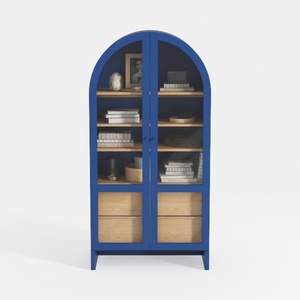
Arched Kitchen Pantry Cabinet with Glass Doors
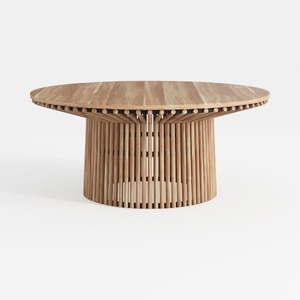

Merax Outdoor Dining Table 47.25" Round Extra

Round Wood Coffee Table - 29.53" Wooden Coffee
Discover the ease of home design with Homestyler! This user-friendly platform offers a fantastic online design tool, stunning 3D renderings, and a wealth of design projects. Plus, you’ll find inspiring DIY video tutorials to guide you every step of the way—perfect for bringing your ideas to life!
立即免费设计
































