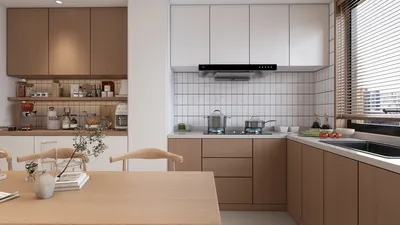


A client once challenged me to fit 60 dining spots into a cramped room that could barely handle a piano; I almost joked about seating guests on the piano bench. After a good laugh, I created a sketch to find a reasonable solution and quickly utilized a visual seating map to evaluate sightlines and flow — this simple task saved us weeks of revisions and a lot of awkward apologies to guests.
Transforming small restaurants into functional spaces is one of my favorite challenges: limited square footage demands intelligent solutions. In this article, I will share five layout inspirations for restaurant dining areas that I implement in real projects to enhance comfort, efficiency, and character — all while staying budget-friendly, often using tools like Homestyler.
1. Banquettes + Moveable Tables: cozy density without chaos
Banquettes are a favorite of mine because they foster cozy corners and maximize wall space for guests. However, the downside is that fixed seating can limit flexibility for larger groups, so I often combine them with lightweight, foldable tables to strike a balance between intimacy and adaptability.
Budget tip: Investing in high-quality upholstery for banquettes pays dividends — it conceals wear and tear while maintaining an upscale appearance, even on a tight budget.
2. Zoned Lighting and Floor Materials to Define Areas
I prefer using varied flooring and layered lighting instead of walls to create distinct zones — a darker wood with warmer lighting for private booths, complemented by brighter, sturdier tiles near the entrance and bar. This approach subtly directs guests and staff without hindering sightlines.
One key issue is maintaining a consistent look: transitions should feel deliberate, not haphazard. I address this with a slim metal trim or a small threshold to unify the various materials.
save pin
3. Optimize Circulation and Service Paths
Clear pathways are essential. I design a main service corridor to be at least 36 inches wide, along with a secondary path for bussing; this setup minimizes collisions during busy periods and facilitates smooth service. To quickly evaluate these routes, I often sketch the flow adjacent to the kitchen to identify where servers could cross paths and where bottlenecks might occur.
Real-world note: you may sacrifice a table or two for a wider aisle, but quicker service and reduced spills typically make up for that lost revenue.
save pin
4. Flexible Furniture for Variable Party Sizes
Modular tables and stackable chairs are invaluable for small restaurants accommodating both couples and larger groups. In one café project, trading a set of two-tops for an 8-top during brunch boosted weekend covers by 20% with minimal additional storage costs.
The downside is that inexpensive modular furniture often looks cheap. I recommend investing a little more in durable finishes that align with your brand image, so the versatility of your space doesn’t come across as low-cost.
save pin
5. Acoustics, Plants, and Visual Layers
Excess noise can deter repeat customers faster than slow service. I incorporate acoustic panels disguised as artwork, along with hanging plants and bookshelves to reduce sound. These features also add visual depth, making a small venue feel curated rather than confined.
Before construction, I utilize models of seating arrangements and sightlines to ensure that plants won’t block views; realistic 3D layouts are an efficient way to identify these potential issues on-screen rather than during installation.
save pin
Quick implementation checklist
- Early mapping of primary and secondary circulation routes. Ensure your main aisle remains clear for servers.
- Combine fixed and flexible seating arrangements to achieve both intimacy and capacity.
- Use lighting and flooring methods to define sections without needing walls.
- Allocate a bit more towards durable finishes in modular furnishings.
- Incorporate acoustics into your design strategy, rather than treating them as an afterthought.
save pin
FAQ
1. What is the minimum aisle width for a restaurant dining area?
I typically design main aisles to be 36 inches (approximately 915 mm) to allow comfortable movement for servers; secondary aisles can be narrower but should still facilitate safe service. Always verify local regulations for specific requirements.
2. How can I maximize seating without making the space feel overcrowded?
Utilize banquettes, staggered table layouts, and visual zoning through lighting and floor changes to enhance capacity while maintaining comfort. Flexible tables facilitate adjustments for different peak times.
3. What are some quick fixes for acoustics in a noisy dining space?
Incorporate soft materials like upholstered seats, wall panels behind artworks, and hanging baffles. Additionally, plants and bookshelves can help attenuate sound while enhancing the aesthetic appeal.
4. Should I prioritize sightlines or privacy in my layout?
I aim for a balance: maintain clear sightlines for staff efficiency and guest safety while creating private areas using banquettes, plants, or partial dividers for a sense of intimacy.
5. How do I ensure accessibility in a compact layout?
Design clear turning spaces and direct paths to significant areas. Adhere to the ADA Standards for Accessible Design for precise dimensions and specifications.
6. Is modeling the layout in 3D worth the effort before construction?
Absolutely — a quick 3D model helps identify sightline issues, circulation flow, and scale discrepancies early on, saving time and resources. It’s particularly useful for demonstrating to stakeholders how proposed changes will feel.
7. What budget should I allocate for acoustic solutions and durable finishes?
Plan to dedicate around 5–10% of your fit-out budget for acoustics and an additional 10–15% for durable surfaces if high turnover and longevity are priorities.
8. How can I test a new layout prior to opening?
I conduct mock service runs with staff using the proposed layout, timing service turns and identifying potential problem areas. This simulation reveals adjustments that might not be evident on paper.
save pin
Homestyler is your go-to online home design platform, perfect for unlocking your creativity! With its user-friendly design tool, stunning 3D renderings, and a wealth of design projects and DIY video tutorials, you’ll effortlessly transform your space into a personalized masterpiece.
Projete agora para LIVRE
































