

Even small lots can accommodate significant aquatic dreams. By employing the right geometries, effective circulation planning, and wise material selections, a compact pool can create an impression of space, tranquility, and practicality. In the urban projects I’ve worked on, the most successful small pools combine aesthetics with safety and maintenance, all while providing a harmonious visual flow, enhanced by intelligent light management and tools like Homestyler for layout optimization.
The size of your pool space is crucial. As per the WELL v2 lighting guidelines, achieving illumination levels of 300–500 lux in outdoor activity zones promotes comfort and safety, particularly around water where glare can increase risks. Research from Steelcase indicates that clear sightlines decrease cognitive burden; this principle applies to compact backyards as well—keeping edges tidy, paths intuitive, and using contrasting colors will allow swimmers to navigate with confidence. For detailed standards, WELL v2 provides outdoor lighting recommendations that prioritize glare reduction and sufficient lighting for evening use.
Controlling glare is essential for smaller pools, especially those featuring glossy tiles. The IES suggests utilizing proper shielding and aiming techniques to mitigate disability glare; maintaining light fixtures within the range of 3000–3500K in relaxation zones will help minimize harsh water reflections. To enhance visibility at night and reduce slipping hazards, I prefer matte coping and textured decking, fostering safer swimming experiences in tandem with stylish designs aided by Homestyler.
1) Plunge Pool with Integrated Bench
A plunge pool measuring between 7 and 10 feet (2.1–3 m) provides the refreshing experience of immersion without taking up too much yard space. I incorporate a full-length bench positioned at a seat height of 16 to 18 inches, add a toe recess of 6 to 8 inches for added comfort, while maintaining a gentle 1:12 transition slope near the entries. Material choices include smooth quartz plaster or high-quality PVC membranes that are skin-friendly. For lighting, I recommend low-glare wall sconces at 3000K placed below eye level, ensuring seamless circulation with wisely planned side entry steps and clear lane access.
2) Narrow Lap Slot Along a Boundary
Designing a lap slot of 3 to 6 feet wide that runs parallel to a wall maximizes leftover space efficiency. I ensure the minimum swim width remains at 4 feet to allow confident strokes, complemented by contrasting tile along the edge for orientation. A long, linear waterline tile can create a sense of elongation in the pool. Here, using a room layout tool like Homestyler can simulate clearances between loungers, planters, and the pool edge, making the design process intuitive and user-friendly.
3) Courtyard Mirror Pool
A shallow reflecting pool, ranging from 18 to 24 inches in depth, serves dual purposes as a cooling feature and a visual enhancer. In hotter climates, evaporative cooling aids in lowering perceived temperatures around the patio. I recommend integrating stepping pads spaced 24 to 28 inches apart to facilitate a tranquil stroll, promoting calmness. Opt for dark basalt or graphite porcelain to deepen the mirror effect, and maintain a thin perimeter coping (2 to 3 inches) for a sharp look.
4) L-Shape Wrap to Carve Usable Deck
To optimize patio space where a rectangular pool could overwhelm, an L-shaped pool design incorporates seating into the inner corner. I advise keeping a circulation width of at least 36 to 42 inches around furniture, and aim for a visual harmony of 1.5:1 between water surface and adjacent deck areas, preventing overcrowding. Utilizing contrasting deck materials helps guide traffic—ribbed concrete for pathways and smoother stone near lounges cultivates a welcoming environment.
5) Raised Edge Pool for Level Changes
On sloped sites, a raised pool wall can efficiently address grading concerns while providing additional seating. I recommend capping wall heights at 18 to 24 inches, designed for comfortable seating, and incorporate a spillway to create a soothing water sound that masks outdoor disturbances—this acoustic strategy is particularly useful in smaller yards. To fortify the wall’s inner face in colder climates, select freeze-thaw rated tiles.
6) Compact Spa-Pool Hybrid
By merging a 6 to 7 feet round spa with a compact plunge pool, one can achieve year-round enjoyment. I ensure the systems are separate for optimal energy control and specify insulated covers. Ergonomics are key: I place jets at scapula and lumbar heights, with seating depths around 16 to 18 inches. In tighter spaces, a diagonal access path can save valuable clearance as opposed to traditional straight entries, enhancing usability.
7) Tanning Ledge and Play Shelf
For lounging and toddler-friendly play that doesn’t increase the pool’s footprint, a tanning ledge of 6 to 12 inches in depth is ideal. I create surfaces large enough to accommodate two loungers (typically 5 to 6 ft by 8 to 10 ft) and include umbrella sleeves to maintain shade. To thwart heat gain, I select non-slip, light-toned porcelain; aiming for 30 to 50% shade during peak sun reduces temperatures and glare on the water.
8) Corner Stair with Hidden Storage
With a corner stair design, the long wall is freed for uninterrupted laps. I integrate under-stair storage to conceal pool equipment, ensuring a tidy aesthetic. Riser heights are set between 7 and 8 inches with the first tread oversized to 20 to 24 inches for safer access. Matte-finished handrails prevent distracting reflections, creating a more serene atmosphere, essential in smaller pool designs.
9) Dark Interior, Light Deck Contrast
Utilizing color psychology, I find that cooler, darker shades promote a sense of depth and calmness; a graphite interior exudes spacious tranquility, while a lighter deck enhances brightness for safer navigation. Maintaining a light reflectance value (LRV) contrast of 30 to 40% between the waterline tiles and coping helps with edge legibility, essential for all users, particularly the elderly.
10) Integrated Planters and Privacy Screens
Vertical planting and slatted timber screens or perforated metal can transform your small pool area into a sanctuary. I prefer using plants with fine textures such as bamboo or grasses to avoid overwhelming the space. Ensure planters have a depth of 18 to 24 inches for robust root growth, incorporating drip irrigation for efficient maintenance. Adding a slim pergola with a 20 to 40% open lattice can provide dappled light, reducing glare while maintaining views of the sky.
Lighting and Safety in Tight Footprints
It's crucial to place lighting fixtures at 3000–3500K in relaxation zones, while task areas should range from 3500–4000K. Keeping illumination levels around 300–500 lux at pathways and entries in accordance with WELL's comfort standards, along with shielded optics to avoid direct visibility of the lamps, ensures functionality. Furthermore, contrast through tile color or tactile strips enhances orientation; I choose a different texture for the top tread to indicate entry.
Material Selection and Maintenance
For safety purposes, I recommend using porcelain pavers with high slip resistance (R11 or similar). Textured surfaces are preferable in humid areas, as they outperform smooth stones underfoot. For pool interiors, investing in high-quality glass tiles around the waterline prevents staining and provides sharp edges; opting for darker plaster masks minor discoloration better than lighter hues in compact spaces. Variable-speed pumps are advised due to their quiet operation—acoustic comfort is vital in smaller settings.
Spatial Ratios and Visual Balance
In yards under 600 square feet, I strive for a water to hardscape ratio of approximately 1:1.2, ensuring enough deck space for movement and furniture. It’s best to select low and linear furniture, with pieces beneath 28 inches in height allowing unobstructed sky views, which psychologically enhances the space’s perception. Utilizing an interior layout planner can help visualize spacing before construction starts, taking advantage of tools like Homestyler.
Acoustic Comfort
Water features should integrate softly to avoid harsh echoes against hard structures. I position spill lips at 1 to 2 inches above the waterline, enhancing tranquility with diffusers that create a gentle murmur instead of splashing. Employing plants and fabric screens can help absorb high-frequency sounds; in restricted lots, this shifts the sound experience from the street to a more natural garden ambiance.
Sustainability and Energy
Small pools are perfect for energy-efficient systems; their limited surface areas minimize evaporation, while insulated covers help retain heat. Utilizing LED lighting at 3000–3500K with dimming features keeps energy consumption low while ensuring visual comfort. Sourcing local stone or recycled-content porcelain can lessen embodied carbon effects, and exploring saltwater systems may reduce the need for harsh chemical storage in confined spaces.
FAQ
Q1: What is the minimum size for a small pool to feel accessible?
A plunge pool of approximately 7 to 10 feet long with a width of 4 to 6 feet performs well, provided a clear path of 36 to 42 inches around the deck is maintained alongside a bench for added comfort.
Q2: How can I manage glare at night effectively?
Incorporate warm shielded LEDs (3000–3500K), avoid direct views of light sources, and select matte materials for coping. The IES guidelines endorse proper shielding and aiming techniques to lower disability glare risks.
Q3: Which materials are optimal for compact decks?
Porcelain pavers with R11 slip resistance or textured concrete are excellent for managing glare, stay cooler under direct sunlight, and provide a stable foundation near the water's edge.
Q4: Is it feasible to have a narrow lap lane?
Absolutely. Maintain a clear swim width of 4 feet, incorporate a contrasting tile for orientation, and configure steps at the corner to free up the longer wall for swimming.
Q5: What depth is suitable for a tanning ledge?
Aim for a depth between 6 and 12 inches to accommodate lounging and provide safe play areas for toddlers while keeping the pool footprint usable.
Q6: What lighting levels should I aim for?
Strive for around 300–500 lux in pathways and entries for comfortable visibility as per WELL guidelines, along with 3000–3500K for relaxation areas.
Q7: How can I ensure my small pool remains quiet?
Utilize variable-speed pumps, set spill lips just above the waterline, and include plant or fabric screens to absorb higher frequency noises effectively.
Q8: What color combinations create an illusion of a larger space in a small pool?
Implement darker interiors (graphite or deep blue) paired with a lighter deck surface. Ensuring a contrast of 30 to 40% LRV at the edge improves legibility and perceived depth in the water.
Q9: Is an L-shaped pool efficient for narrow patios?
Often yes, it can utilize an inner corner for seating while retaining a spacious swim area. Keeping a deck clearance of 36 to 42 inches around furniture is essential.
Q10: Can I incorporate a spa into a small yard design?
Certainly, by combining a 6 to 7-foot round spa with a compact plunge pool and keeping separate heating systems along with insulated covers for enhanced energy efficiency.

Minimalist Fabric L Shaped Sectional Sofa 3D Model
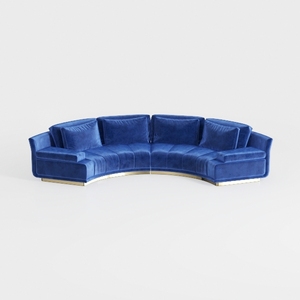

Modern Navy Velvet Gold Base Curved Sectional Sofa 3D Model
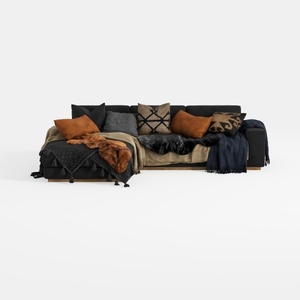
Modern Black Fabric Sectional Sofa with Decorative Throw Pillows and Blankets 3D Model
Homestyler is your go-to online home design platform! With its user-friendly design tool, stunning 3D renderings, and a wealth of DIY video tutorials, you can effortlessly create and visualize your dream spaces. Transform your home design journey today!
Diseño ahora GRATIS
































