


Direct Insight
Maximizing office layout functionality within restricted square footage demands deliberate zoning, adaptable furniture, vertical storage solutions, and a harmonious mix of collaboration areas. The most effective offices emphasize efficient circulation, multi-purpose zones, and technology-driven design to ensure every square foot enhances productivity.
When executed well, a small workspace can surpass the performance of a larger but poorly arranged office environment.
Key Takeaways
Overview
Over the past ten years of office design experience, I've observed an intriguing trend: the most efficient teams often don't occupy the largest spaces. Instead, many thrive in compact environments where optimizing every inch is crucial.
This challenge prompts common questions from clients: How can more desks be accommodated without creating crowding? How can collaborative zones be preserved without losing private workspaces? And how can a small office maintain professionalism and comfort?
The truth is, spatial efficiency isn't about cramming furniture. It's about smartly organizing traffic flow, activity areas, and storage to eliminate daily work friction.
Before finalizing layouts, I rely on digital visualization tools, such as Homestyler, to simulate workspace density and movement patterns. Observing real movement flows often uncovers inefficiencies missed by simple floor plans.
This guide explores proven strategies applied in compact offices—from startups in converted lofts to firms accommodating 20 employees within under 1,500 square feet.
save pin
Core Principles of Efficient Office Space Design
Essential Understanding: Optimal office layouts prioritize circulation routes before placing furniture.
A frequent error is designing primarily around desks instead of pathways. Cramped aisles between workstations disrupt productivity by causing frequent interruptions.
Professional space planners tend to focus on three spatial priorities:
Many architects adhere to a 60‑30‑10 spatial allocation rule:
While exact percentages vary, neglecting circulation space often results in inefficient designs.
Multi-Use Zones for Compact Offices
Core Understanding: Efficient small offices allocate multiple purposes to a single area.
Allocating separate rooms for each activity isn’t feasible in limited spaces. Instead, functions are combined purposefully.
Common implementations include:
As a rule, if a zone remains unused for over half the day, it likely requires an additional function.
Research by workplace consultancy Gensler confirms that flexible spaces strongly correlate with higher perceived workplace effectiveness in smaller offices.
save pin
Space-Saving Furniture Approaches
Key Understanding: Furniture choice greatly influences spatial efficiency beyond mere floor size.
I have revamped offices where substituting bulky furniture boosted seating by 20% without altering the layout.
Examples of space-saving furniture include:
An often-overlooked tactic is trimming desk depth, favoring modern desks about 24–28 inches deep versus traditional 30–36 inches, while still ensuring comfort for laptop use.
When teams test workstation density digitally with tools like Homestyler before purchasing, costly reconfigurations are minimized by visualizing desk arrangements and flow paths in 3D.
Utilizing Vertical Storage and Modular Design
Essential Insight: Vertical space remains the most underutilized asset in small offices.
Designing solely based on horizontal dimensions wastes vast storage potential.
Effective vertical strategies include:
Modular furniture systems provide adaptable solutions allowing offices to evolve with team growth or restructuring.
For instance, modular desks can be reconfigured to:
Such adaptability avoids expensive renovations as a company expands.
save pin
Summary of Best Practices
The most efficient small offices blend intentional zoning, compact furnishings, and vertical storage while maintaining unobstructed circulation. Prioritizing workflow over fixed furniture placement enables small spaces to deliver high productivity.
Balancing Collaborative and Focused Work Areas
Crucial Insight: Productivity declines when collaboration and quiet zones compete within the same physical space.
A common pitfall is to sacrifice quiet focus areas for additional meeting space, leading to noisy environments obstructing concentration.
A better solution involves spatial separation by layout design rather than physical barriers.
Effective techniques involve:
According to Steelcase research, workplaces with balanced environments report increased employee satisfaction and fewer distractions.
save pin
Technology-Driven Smart Layout Planning
Critical Insight: Digital testing of layouts significantly cuts costly post-move adjustments in small offices.
Relocating desks after occupancy is expensive—many companies spend thousands adjusting poorly planned arrangements that looked fine on paper but failed in practice.
Modern digital tools, including Homestyler, simulate:
Before making final furniture or build decisions, many designers experiment with various floor configuration scenarios to optimize capacity and workflow, often finding opportunities to introduce additional workstations without compromising comfort.
Final Thoughts
Frequently Asked Questions
What is the recommended square footage per office workstation?
Ideal layouts allocate between 50–75 square feet per desk, factoring in circulation and shared areas.
Which layout works best for small offices?
Bench-style desk clusters combined with shared collaboration zones generally yield optimal efficiency.
How to increase desks in tight office spaces?
Utilize bench desks, minimize desk depth, incorporate vertical storage, and reorganize traffic flow.
Is open office design suitable for small spaces?
Yes, provided it features balanced quiet zones or phone booths to mitigate noise distractions.
Common design errors in small offices?
Focusing layout around furniture rather than on circulation and workflow pathways.
How to optimize small office layouts?
Emphasize clear zoning, space-efficient furniture, vertical storage, and technology-assisted planning.
Should small offices include meeting rooms?
Yes, but these should be flexible, multi-purpose areas.
What tools assist in efficient office layout design?
3D floor planning and visualization platforms such as Homestyler support pre-implementation experimentation.
Sources
Gensler Workplace Effectiveness Reports
Steelcase Global Workplace Studies
International Facility Management Association Guidelines

Minimalist Boucle Fabric Armchair with Wood Base 3D Model


Bohemian Geometric Pattern Ceramic Drum Ottoman 3D Model
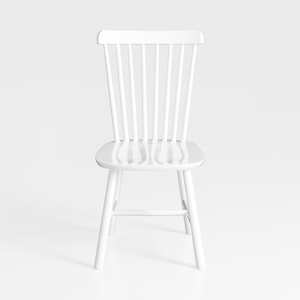
Minimalist White Solid Wood Dining Chair 3D Model
Homestyler is a user-friendly online platform offering powerful home design tools, stunning 3D renderings, inspiring design projects, and helpful video tutorials—making it easy to create and visualize your dream space from start to finish.
Design jetzt kostenlos
































