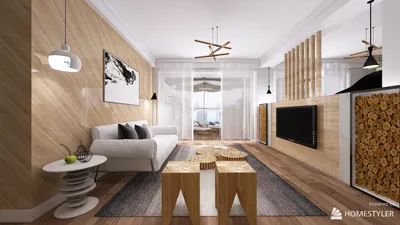


My experience with trying to fit a full-sized massage table into a 2.3m-wide space taught me a valuable lesson: towels and door swings don’t mix well. This small hurdle led me to uncover innovative solutions, prompting me to create designs that resembled origami more than traditional renovations. When dealing with limited space, such constraints can ignite your creativity. Let me share five practical tips I often rely on, featuring budget-friendly hacks and layout advice. To visualize my plans, I frequently utilize AI-driven tools like Homestyler, which allows for quick iterations and helps me avoid novice blunders.
1. Collapsible Table with Wall-Mounted Storage
I’m a big fan of folding tables that can be tucked neatly against the wall. This clever design choice enhances circulation space for clients while transforming the room into a multifunctional area for consultations and treatments. The benefits are clear—flexibility and reduced floor space requirements. However, it’s crucial to select quality hardware, as subpar hinges tend to squeak and disrupt the ambiance.
save pin
2. Vertical Solutions: Optimize Height Instead of Floor Space
In a compact environment, I prioritize vertical space—using shelves for linens, hanging aromatherapy items, and slender cabinets for oils. This approach keeps the area feeling open and maintains easy access to all essentials. The challenge lies in styling the vertical storage to avoid a cluttered appearance.
save pin
3. Integrated Benches and Versatile Seating
A built-in bench along one wall serves as both seating for clients and additional storage, which I typically design to match the height of the massage table for quick preparations. I draw inspiration from compact layouts to optimize traffic flow, though it’s important to ensure adequate ventilation and easy maintenance around these features.
save pin
4. Lighting and Soundproofing to Enhance Perception of Space
Effective lighting combined with soft soundproofing can transform a small room into a luxurious sanctuary. I employ layered lighting solutions—task, ambient, and accent lighting—alongside soft panels that serve as art. This creates an immediate touch of elegance without extensive renovations, though investing in high-quality fixtures and acoustic materials can be costly upfront.
save pin
5. Simplified Color Scheme and Realistic 3D Renderings
Using a serene, limited color palette can visually enlarge a space, and utilizing realistic 3D renderings allows me to experiment with materials before purchase. I always present clients with lifelike visuals so they know what to expect, which occasionally leads to the fun challenge of deciding on the perfect lamp together—sometimes that process takes longer than anticipated!
save pin
Frequently Asked Questions (FAQ)
Q1: What is the minimum width needed for a massage room?
I suggest a minimum usable width of 2.1 to 2.3 meters to enable a therapist to move comfortably around a table. If you opt for a narrower table or foldable designs, slightly less width may suffice, but maintaining good circulation is crucial.
Q2: Is it feasible to operate a professional massage service from a small home room?
Absolutely—many therapists effectively run their practices from compact home environments by optimizing layouts, ensuring privacy, and complying with local licensing requirements. Make sure to check your area’s regulations regarding home-based businesses before starting.
Q3: What flooring is ideal for a compact massage space?
Durable, low-maintenance flooring options like luxury vinyl or sealed engineered wood work well—they resist moisture and are easy to clean. Adding a washable rug can enhance the aesthetic and minimize sound reflection.
Q4: How can I create an illusion of more space?
Utilize a cohesive color palette, vertical storage solutions, and reflective or glossy finishes to enhance light. Maintaining clear sightlines and uncluttered surfaces considerably contributes to the perception of space.
Q5: What type of lighting is most effective for treatments?
Layered lighting is the best choice: opt for dimmable ambient lighting for relaxation, task lighting for preparation, and subtle accent lights to highlight textures. Avoid harsh overhead fluorescents; instead, warm LEDs can establish a soothing atmosphere.
Q6: How crucial is ventilation?
Ventilation is vital for comfort and odor management. Mechanical ventilation or a quiet ducted fan is preferable for small rooms. Proper airflow also ensures good air quality when utilizing aromatherapy or oils.
Q7: How often should I clean and sanitize?
High-touch surfaces should be cleaned daily and sanitized after each client; linens must be washed after every use. For hand hygiene practices, refer to the CDC’s handwashing guidelines: https://www.cdc.gov/handwashing/.
Q8: Is it worthwhile to invest in 3D mockups?
Definitely—3D mockups can prevent costly oversights and expedite your material selection, especially in tight spaces where every inch counts. They also facilitate quicker client approvals with less ambiguity.
save pin
Homestyler is an incredible online home design platform that makes creating your dream space a breeze. With its user-friendly design tool, stunning 3D renderings, and a wealth of DIY video tutorials, you can easily explore and implement your interior design ideas with confidence.
지금 무료로 디자인하세요
































