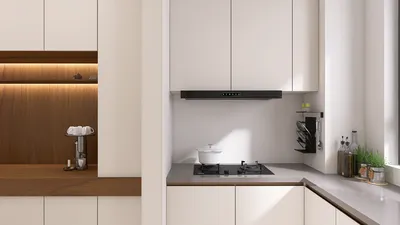


In my experience, fitting a minibar, a TV stand, and a vintage record player into a compact 9-square-meter living room taught me that small cabinets can be a transformative solution rather than a limitation. I began by accurately measuring the space, drafting various layout options, and comparing the room's dimensions with the furniture measurements before making any purchases. This practice has spared me from selecting pieces that seemed perfect in the store but overwhelmed the space once at home. Leveraging tools like Homestyler can make this planning even more accessible and efficient.
1. Tall vertical cabinets: maximize height and minimize footprint
I have a strong preference for slim, tall cabinets that utilize vertical space effectively. They enhance the room's appearance by keeping the floor looking less crowded, while also offering sufficient shelf space for books, decor, and electronics. The only downside might be that you’ll need a small step stool to reach the higher shelves, but the advantages in a limited area are substantial.
save pin
2. Low console with concealed drawers: a central piece of the room
Low consoles positioned under a television can serve as both a foundational piece and a clever storage solution. I often recommend designs that combine open compartments with hidden drawers to keep remotes and chargers out of sight. This arrangement promotes a clear line of sight, although it’s essential to consider cable management—using a shallow cable trough behind the unit is a solution I frequently advocate for.
save pin
3. Modular cubes and floating units: customize and adapt
Modular cubes allow for easy customization as needs evolve: you can add a cube for plants, stack one for audio equipment, or fit one into a niche. For clients who enjoy frequent updates, I suggest tailored cabinet runs that can be rearranged without extensive installation, making them a flexible and budget-friendly choice when opting for standard module sizes.
save pin
4. Corner cabinets and angled designs: utilize overlooked areas
Corners often go unused, which is why I create petite angled cabinets that turn these awkward spaces into functional spots—consider a bar cart that fits into a diagonal cabinet or a cozy nook with shelving. It’s crucial to allow enough clearance for doors, so I sometimes specify sliding or bi-fold doors to prevent clashes with larger furniture pieces. This minor added expense can create a polished and intentional look.
save pin
5. Multi-purpose furniture: combines seating, storage, and display
I always aim to merge functionalities. An ottoman with storage inside, a bench with compartments, or a cabinet that functions as a room divider can revolutionize the usability of a small living room. Before finalizing the layout, I generate a true-to-scale 3D model using Homestyler to assess circulation paths and sightlines, helping to avoid surprises when items are delivered.
save pin
Tip 1:
Quick tip: Always measure twice and outline the cabinet dimensions on the floor with painter’s tape—it’s an inexpensive way to ensure the best fit for your space.
save pin
FAQ
Q1: What cabinet sizes work best in a constricted living area?
For compact living spaces, opt for cabinets with shallow depths (30-40 cm) for media and display pieces, and reserve deeper designs for multifunctional storage. Focus on width rather than excess depth to maintain clear walking pathways.
Q2: Are custom cabinets worth the investment for small rooms?
Custom cabinets allow for the utmost utilization of available space and can address unique dimensions that standard pieces cannot. While the initial expense is higher, they often save money long-term by preventing the need for future replacements.
Q3: What materials are most durable for cabinets in compact living spaces?
Medium-density fiberboard (MDF) with durable laminate or veneer is an economical and sturdy option, while solid wood, though visually appealing, is heavier and more costly. Choose finishes that resist fingerprints for cabinets intended for everyday use.
Q4: How can I conceal electronics and cables in small cabinets?
Incorporate ventilation, pass-through holes, and a shallow cable trough at the rear of the cabinet to manage cables efficiently. Utilize surge-protected power strips and label cables for easy maintenance.
Q5: Is it possible to create small living room cabinets myself?
Absolutely! Many modular or flat-pack systems are DIY-friendly, allowing you to save costs. If bespoke solutions are required for unconventional recesses, hiring a professional cabinetmaker ensures durability and high-quality finishes.
Q6: What budget should I consider for a small custom cabinet?
Pricing can fluctuate based on materials, hardware, and finishes; expect a rough estimate ranging from a few hundred dollars for simple veneer units to several thousand for custom solid wood options. Obtaining 2-3 quotes can help you prioritize important finishes.
Q7: Are there ergonomic recommendations for cabinet heights and shelving?
Items that are frequently used should be stored between knee and shoulder height for easy access, with 30-45 cm depth allowing for most everyday storage. Following guidelines from the National Kitchen & Bath Association (NKBA) can enhance long-term comfort through optimal planning of work zones and reachability.
Q8: What maintenance tips keep small cabinets looking pristine?
Utilize mild cleansers appropriate for the finish, avoid overloading hanging systems, and rotate decorative items seasonally to prevent wear spots. Regular monthly cleaning can help keep these small cabinets from turning into clutter traps.
save pin
Homestyler is the ultimate online home design platform for anyone looking to transform their space. With its user-friendly design tool, stunning 3D renderings, and a wealth of DIY video tutorials, you can effortlessly create and visualize your dream home, no matter your experience level!
Progetta ora GRATIS
































