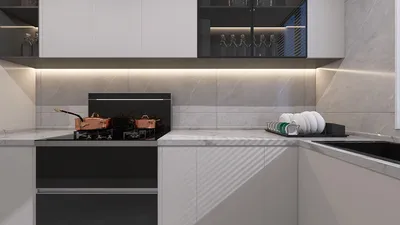


Designing a living room bar in a compact area requires meticulous planning—considering limited space, adaptable storage solutions, and lighting that enhances both ambiance and drink presentation. I emphasize a compact design with a linear bar surface of 24 to 36 inches and mobile accessories, allowing the space to transform from daily relaxation to evening gatherings without feeling overcrowded. Research from Steelcase shows that 87% of individuals appreciate environments that foster social interactions, which translates into creating a bar area in the living room that integrates with the seating and overall flow rather than disrupting it. The WELL v2 principles also highlight that reducing glare and ensuring proper color rendering significantly enhance comfort, especially when referencing a wine label or embellishing a cocktail.
Lighting plays a crucial role in establishing the desired atmosphere and ensuring that small bars appear purposeful. I aim for an ambient light level between 200 and 300 lux in the living space, complemented by a task lighting intensity of 300 to 500 lux over the bar to facilitate preparation without excess harshness, in accordance with IES standards for home task areas. Using warm-white LEDs within the 2700 to 3000K spectrum fosters a cozy environment, while decorative lighting on bottles or glass at levels below 150 lux prevents hotspots. More so, color psychology insights from Verywell Mind indicate that warm tones enhance social interactions, prompting me to select soft amber or blush accents around the bar to subtly encourage conversation without overwhelming the visual scheme. If you're looking for a quick way to assess your layout, utilizing a room layout tool can be invaluable for visualizing space and seating arrangements.
Effective Concepts for Compact Spaces
My strategy for small living room bars is to adopt a kit-of-parts approach, where every component serves multiple purposes.
A narrow console table, ideally 12 to 16 inches deep, functions as the bar: it organizes bottles in trays, conceals tools in a drawer, and offers extra preparation space with a flip-top or pull-out shelf as needed. Position it behind a sofa or along a wall to maintain flow. Ensure a minimum clearance of 30 inches for walkways, with 32 to 36 inches being more comfortable in constricted areas.
Nesting tables can elegantly hold glassware and garnishes while conveniently tucking away when not in use. A taller table, approximately 24 to 26 inches high, should be placed close to the sofa arm for easy access. Incorporating a round tray also assists in managing spills and designating the bar area.
A compact two-shelf cart, no wider than 24 inches, equipped with rails and hooks serves to organize essentials. On the top shelf, store spirits and daily utensils, while the lower shelf can accommodate supplementary bottles or an ice bucket. Locking casters will prevent movement on carpets while positioning it near an outlet can facilitate the addition of a miniature beverage fridge or LED strip lighting.
Transform a shallow alcove, approximately 10 to 14 inches deep, using a floating shelf placed between 36 and 38 inches high, paired with a slim base cabinet to conceal clutter. Utilizing a mirrored or ribbed glass backdrop can enhance light and create depth, while employing matte finishes on horizontal surfaces mitigates glare.
Setting up a ladder shelf can effectively arrange bottles, books, and bar supplies at varying heights. Heavier items should reside on lower shelves, while the mid-level is ideal for displaying glassware, maintaining a 60/40 ratio between display and storage to keep visual chaos at bay.
Flow and Layout in Confined Spaces
The functionality of small living rooms greatly depends on circulation. I prioritize mapping out paths first, ensuring at least 30 inches of clearance from seating to bar. For socializing dynamics, creating a soft “landing pad” with an accent rug or an ottoman close to the bar cart encourages conversation without obstructing entryways. Employing an interior layout planner can be incredibly useful prior to making any purchases.
Establish the bar’s identity through vertical elements, such as a singular pendant light, a wall sconce, or a framed artwork positioned above the console. This approach provides definition without occupying valuable floor space.
Organize bottles and bar items below eye level on the main wall to minimize visual clutter. A standout piece, like a sculptural shaker or a vintage decanter, can become the focal point for the setup, while keeping the rest understated.
Illumination That Enhances Both People and Cocktails
Effective bar lighting focuses on layering rather than simply increasing lumens. I incorporate:
Be mindful of shadows by placing sconces 12 to 18 inches away from the preparation area to ensure your body doesn’t obstruct light. Stick to warm 2700K to 3000K for optimal hospitality, only shifting to cooler temperatures (maximum 3500K) when the interior has a modern vibe.
Color Strategy and Finish Considerations
Color can serve dual purposes in smaller spaces. For an inviting atmosphere, I pair a neutral foundation (like soft greige or stone) with subtle infusions of vibrant colors—such as rust, teal, or forest green—applied strategically on trays, textiles, or a single shelf. Research in color psychology indicates that reds and warm tones can energize social gatherings, so I incorporate them in small, movable decor items to prevent overwhelming the space. High-CRI LEDs guarantee that these colors are accurately represented.
Human Considerations: Comfort, Reach, and Height
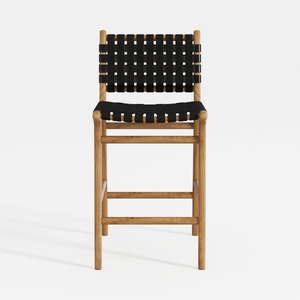
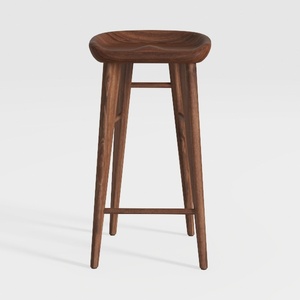
A bar surface height between 36 and 38 inches suits most individuals, while stools around 24 to 26 inches complement counter-height surfaces. Frequently used tools should be within a reach of 24 to 48 inches. If adding stools, allocate 24 inches per seat and maintain 12 inches between centers to prevent elbow conflicts. To reduce noise, introduce softer textiles near rigid bar surfaces such as rugs, draperies, or upholstered ottomans to dampen clinks.
Material Selection and Eco-Friendliness
Durability is crucial in confined spaces. I prefer:
Reusability is key in tight living areas: versatile trays, stackable glassware, and modular shelving help minimize clutter. If moisture is a concern, opt for powder-coated metal frames and marine-grade lacquer finishes on wood to prevent damage.
Techniques for Minimizing Visual Clutter
Limit displayed bottles to 6 to 8; store additional options in a cabinet to maintain a tidy appearance. Organize small tools such as stirrers, picks, and jiggers within a lidded container. Employ vertical stem racks beneath shelves to free up counter space. A narrow pull-out bin for recyclables can help manage waste during gatherings.
Acoustic and Mood Enhancements
Hard surfaces can amplify sound in a small bar setting. Using a dense rug (40 to 60 oz face weight) alongside lined drapery can significantly reduce echo from clinks. Position a small speaker away from the bar to prevent audio from competing with conversations in the preparation area.
My Recommended Kits for Various Styles
Matte black console, ribbed glass tray, smoked glass tumblers, and a slim brass sconce. Include two standout bottles and a single plant for decoration.
Walnut ladder shelf, amber glassware, a dome table lamp at 2700K, and a leather-wrapped shaker. A patterned rug can help soften sound.
Whitewashed cart, rattan serving tray, ice bucket, and pale blue linen napkins. Maintain color temperatures around 3000K for a lighter, airy ambiance.
Workflow for Hosting in Small Spaces
Before guests arrive: prepare a signature drink in advance, organize garnishes in a sealed container, and chill glassware whenever possible. While entertaining: keep water and snacks within easy reach on a lower shelf to minimize clutter at the bar. After the event: utilize a collapsible tub for washing to keep the sink area clear, and return tools to a single drawer to reset the room for next time.
Frequently Asked Questions
Begin with 24 to 36 inches of linear surface and a 30-inch clear walkway. This space is adequate for essential items without encroaching on seating areas.
Combine ambient (200-300 lux) with task lighting (300-500 lux) and maintain warm color temperatures within the range of 2700 to 3000K. High CRI (90+) ensures materials and drinks appear true to their colors.
Absolutely—select a narrow cart (no more than 24 inches wide) fitted with locking casters. Store frequently used items on the upper shelf, while keeping extras below to maintain a clean surface.
Limit your display to 6 to 8 bottles, using trays for organization and hiding tools within a drawer or sealed box. Consider under-shelf stem racks to clear counter space.
Start with a neutral base accented by warm hues such as amber, blush, or rust, added in limited doses. Research shows that warm tones can enhance social interaction, making them ideal for textiles and tray décor rather than large wall displays.
Aim for bar heights of 36 to 38 inches; stool seats should be 24 to 26 inches for counter height. Allow 24 inches for each stool and 12 inches between centers for comfort.
Often, yes. Plan your layout near an outlet and allow for proper air circulation (2 to 3 inches around). For tight areas, you can use an ice bucket and chilled packs as an alternative.
Incorporate a dense rug and lined drapes, and keep a soft ottoman within the bar area. These additions absorb high-frequency sounds from clinking glassware, thereby reducing echo.
Utilize a single pendant light or sconce above the console, complemented by artwork to establish the vignette. A small rug can visually delineate the bar area without obstructing traffic flow.
Aim for IES-compliant task lighting, and prevent glare using diffusers or shades. Ensure fixtures are positioned to avoid shadows falling onto the prep area.

Homestyler is your go-to home design platform! With its user-friendly online design tool, stunning 3D renderings, and a plethora of inspiring design projects and video tutorials, you can effortlessly create your dream space, no matter your experience level. Start designing today!
Design jetzt kostenlos
































