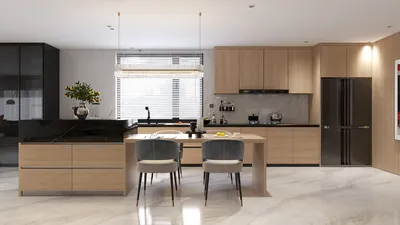


I've transformed various small kitchens where the sink area serves multiple purposes—prepping, washing, drying, and at times, even accommodating a guest with a coffee. A well-thought-out sink strategy can create additional countertop space, enhance workflow, and minimize cleanup time. In tighter areas, my approach encompasses three key elements: a versatile basin, an effective work triangle or galley layout, and accessories that enable the sink to double as a prep area while utilizing resources like Homestyler to visualize the changes.
Research supports that well-organized task zones lead to increased productivity. Studies by Gensler show that strategically placed workspaces can enhance task efficiency by streamlining movements and minimizing friction during processes. Their insights consistently connect clarity in space arrangement with observable performance gains. Furthermore, color psychology plays a crucial role in making small kitchens appear larger; shades that are lighter and less saturated can alleviate visual clutter, as noted in Verywell Mind’s analysis on the subject.
From an ergonomic standpoint, the height and reach for tasks are crucial. The WELL v2 standard encourages minimizing awkward stretches and establishing optimal countertop heights to reduce the risk of musculoskeletal discomfort. Following the WELL v2 Movement guidelines can help alleviate repetitive strain and promote neutral positions. When sink activities are streamlined—prep, rinse, discard—fatigue decreases, and efficiency increases, particularly in narrower kitchens.
Core Strategy: Selecting the Appropriate Basin for Your Needs
In compact kitchens, I usually opt for a large single bowl (approximately 27–30 inches wide) with a rear drain. A single, expansive basin accommodates sheet pans and stock pots efficiently, while the rear drain maximizes cabinet space for bins or filters. For those who frequently separate food prep and dishwashing, a low-divide double bowl may be advantageous, but in most situations, a single bowl paired with the right accessories is more adaptable. The ideal depth ranges from 9 to 10 inches—deep enough to conceal dirty dishes without causing shoulder strain.
Integrated Workstation Sinks Offer Added Surface Area
Workstation sinks equipped with internal ledges allow for the placement of cutting boards, colanders, and drying racks over the basin, transforming typically unused sink space into functional countertop area. This setup keeps all prepping organized and maintains the usability of adjacent surfaces. In galley or single-wall kitchens, a workstation design can serve as your main prep station without extending the overall footprint. Select accessories made from antimicrobial wood or food-safe materials that can be stored efficiently inside cabinetry.
Spatial Adjustments That Optimize Your Workspace
In U-shaped and small L-shaped kitchens, I recommend positioning the sink centrally along the longest stretch, with a minimum of 18 inches of clear space on one side (for prep) and 15 inches on the other (for drying). In galleys narrower than 7 feet, place the dishwasher right next to the sink to prevent door obstructions. If experimenting with layouts, utilizing simple interior design software such as Homestyler can assist you in evaluating clearances, door arcs, and seating overhangs prior to making decisions.
Faucet and Water Management: Small Components, Major Influence
Opt for a pull-down faucet that features a single handle and a reach of 15–18 inches in the hose. A compact faucet height of 15–16 inches usually fits below most cabinets and low windows. Incorporating an air switch for garbage disposals can keep cords off the counters, while a two-stage aerator allows choosing between a gentle rinse and a high-flow fill for pots. If counter space is limited, wall-mounted faucets preserve the rim for accessories and facilitate the cleaning of back edges.
Effective Drainage, Drying, and a Clean-as-You-Go Approach
Positioning rear drains can optimize cabinet space and relocate plumbing away from pull-out systems. A roll-up drying rack across the sink can replace bulky countertop drying racks. For frequent hand washing, consider installing a narrow inboard drain channel or a removable tray; this setup keeps water within the sink area and conserves countertop space.
Ergonomics: Height, Reach, and Relieving Shoulder Strain
Standard countertop height is around 36 inches, but for shorter individuals, lowering it to 34–35 inches can alleviate shoulder strain during sink tasks; taller users may favor a height of 37 inches. Align the sink with your natural stance and keep often-used items (soap, scrubbers, knives, trash pull-outs) within a reach of 15–20 inches to avoid straining your elbows. For heavy pots, having a nearby landing at the same height minimizes the risk of lifting burdens across the space.
Optimizing Sink Area Lighting Without Glare
Task lighting should achieve a range of 300–500 lux at the sink for safe food preparation, with warmer lighting (2700–3000K) for comfort during evening. If a cabinet is situated overhead, position an LED strip a few inches back from the front to prevent glare on stainless steel bowls. Adding a downlight directly in front of the faucet can illuminate hands and cutting surfaces without casting unsightly shadows.
Materials: Durable, Quiet, and User-Friendly
For the sink, choose 16–18 gauge stainless steel equipped with sound-dampening pads to minimize noise; a brushed finish can camouflage minor scratches. Fireclay is great for traditional aesthetics and resists stains but requires careful installation to prevent cracks. Quartz composite sinks offer durability, available in lighter shades that visually expand space, and reduce sound better than metal options. Pair with work surfaces capable of handling moisture: quartz, sintered stone, or well-sealed natural stone. Rounded corners (R10–R20) simplify cleaning in bustling family kitchens.
Trash, Recycling, and Sink Space Management
Move the P-trap to the back and utilize a compact disposal unit to free up space for a two-bin pull-out system (for trash and recycling) directly under the sink. Include a thin top drawer for sponges and dish tabs. If filtration is required, consider mounting the canisters on the wall to keep the base area unobstructed for larger bins.
Noise and Water Management: Comfort in Small Spaces
In smaller kitchens, sounds can amplify significantly. Use pads on stainless basins and opt for soft-close drains. Line the back of the sink base with a thin acoustic mat to absorb vibrations from disposals. A pull-down faucet with a laminar flow setting can reduce splash noise compared to aggressive aeration.
Color and Visual Harmony to “Broaden” the Sink Area
Utilizing light, low-contrast color schemes keeps the sink area feeling open. If your countertop and backsplash share similar hues and tones, the eye interprets them as a seamless space—lowering visual clutter. To add contrast, consider a sleek metal accent or a matte black faucet for grounding purposes. To draw visual attention upward, implement a vertical tile pattern or narrow slat panel behind the faucet, creating an elongated visual effect of the wall.
Workflow Patterns That Influence My Designs
- Solo cook: a workstation sink positioned on the main run; a prep board placed over the bowl; the dishwasher immediately adjacent.
- Two-person workflow: prep at the sink; a secondary mini-prep zone near the range; place the dishwasher on the opposite end to prevent workflow clashes.
- Family cleanup: a large single basin; a roll-up drying rack; trash pull-out positioned within 12 inches; a faucet with a pause feature to conserve water during scrubbing.
Emerging Trends for 2024-2025 I Embrace
- Slim-rim workstation sinks featuring integrated low-profile ledges.
- Gently rounded edges and thinner dividers for a more elegant appearance.
- Light-hued composite sinks combined with warm stainless steel or champagne finishes.
- Under-shelf flush LED task lighting instead of bulky valances.
- Compact wall-mounted pot fillers positioned over secondary prep sinks in larger renovations.
When a Secondary (Prep) Sink is Beneficial
In spaces exceeding 120 square feet or with islands wider than 36 inches, a small prep sink (around 15–18 inches) on the island can streamline tasks and minimize cross-traffic. Ensure it is in line with the fridge for rinsing produce. Otherwise, investing in a high-quality workstation sink may be more advantageous than adding a secondary basin.
Maintenance: Keeping the System Efficient and Clean
Opt for radius corners and removable grids for quick cleaning capabilities. Use non-abrasive cleaners to protect finishes, and periodically polish brushed stainless steel to blend in minor scratches. For composite sinks, a mild bleach solution can effectively remove tea and coffee stains without damaging the surface material—always adhere to manufacturer recommendations for dilution.
Example Micro-Layouts That Function Effectively
- One-wall studio: a 30-inch single bowl underneath a window, a dishwasher to the right, an 18-inch prep sink on the left, a roll-up drying rack, and a wall-mounted faucet to maximize counter space.
- Compact galley: sink positioned across from the range with 36 inches spacing, dishwasher right next to the sink, 24 inches clear prep on the range side, and a magnetic knife strip over prep space to keep drawers accessible. Utilize a room layout tool for quick spacing tests to identify aisle and door conflicts.
- L-shaped corner: adjust the sink away from the corner to a straight line; utilize the corner for a lazy susan or vertical tray pull-out to simplify plumbing while offering a practical drying space.
FAQ
The ideal single-bowl sink size is between 27–30 inches, spacious enough for sheet pans yet compact enough to maintain landing areas on both sides.
Absolutely. The slide board, colander, and drying rack transform the basin into extra counter space, especially in one-wall and galley kitchens.
Keep overall faucet height around 15–16 inches to clear windows and shelves while preserving operational reach with a pull-down spray option.
Target 300–500 lux for task lighting at the sink with 2700–3000K hues for evening relaxation; mitigate glare by positioning LED strips slightly behind the fascia.
Typically single. Combine with a low-profile drying rack and a cutting board insert to separate tasks without compromising volume.
Select 16–18 gauge stainless steel with noise-absorbing pads or a composite sink, add a grid, and consider a laminar-flow faucet to minimize splash noise.
Position the dishwasher directly adjacent to simplify plumbing while avoiding blockages of walking paths, especially in galley designs.
Utilize rear-offset plumbing with a compact disposal, and introduce a 2-bin pull-out for trash and recycling alongside a shallow drawer for sponges and cleaning tabs.
They certainly help. Light palettes with low contrast reduce visual disturbances, making surfaces appear seamless and expansively larger.
In kitchens that are larger than 120 square feet, a secondary prep sink can be beneficial; otherwise, enhancing the main workstation sink may suffice.
Employ soft square edges with R2–R3 for counter surfaces and R10–R20 in sinks to accelerate cleanliness while being gentle on sponges and glassware.
The WELL v2 framework emphasizes limiting awkward reaches and encouraging neutral postures; position everyday items within 15–20 inches of your usual standing area.
Built on technology originally developed at Autodesk, Homestyler empowers anyone to design beautiful, realistic spaces in minutes. Join over 18 million users who have already discovered a smarter way to plan, visualize, and bring their dream homes to life — all from the comfort of a browser.
Homestyler is an amazing online platform for home design that empowers you to unleash your creativity. With its user-friendly design tool, stunning 3D renderings, diverse design projects, and handy video tutorials, transforming your space has never been easier. Dive in and start designing today!
Projete agora para LIVRE
































