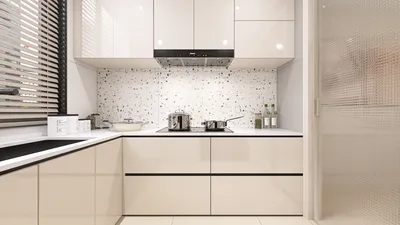


Small kitchens can be highly functional when optimal spatial proportions, effective lighting, and streamlined workflows are thoughtfully integrated. My design approach to limited spaces parallels that of renovating a compact urban apartment: every square inch must be purposeful, and movement should flow seamlessly. Research supports the notion that effective design enhances performance—Steelcase studies indicate that well-structured environments can alleviate cognitive strain and boost task efficiency, an insight that directly applies to culinary and cleaning activities. Furthermore, the WELL v2 standard emphasizes that controlling glare and providing adequate task lighting are vital for safety and comfort, especially in areas surrounding hot surfaces and sharp utensils.
Lighting acts as a powerful tool for revitalizing a compact kitchen. The Illuminating Engineering Society (IES) suggests achieving around 300–500 lux for general ambient light while focusing 500–1000 lux on work surfaces like countertops and sinks, complemented by a color temperature range of 2700–3500K for a cozy residential feel. Consideration of color psychology is crucial—research from Verywell Mind indicates that tranquil, warm neutrals can alleviate stress, while soft greens can promote a calm focus, which is particularly helpful in confined areas where excess stimulation may lead to fatigue.
Optimal Layout for Workflow Efficiency
In smaller kitchens, the layout is essential. I often begin with a compact work triangle (sink, stove, refrigerator) or a systematic work zone sequence: preparing, cooking, plating, and cleaning. For especially narrow spaces, a single-wall kitchen can be effective with vertical storage solutions and continuous countertop runs. Galley kitchens work best when keeping a 36-inch clearance between counter runs and consolidating tall features to one side to avoid creating a tunnel effect. Utilizing a room designing tool can help simulate reach zones and necessary appliance clearances before finalizing cabinetry decisions.
Maximizing Scale and Proportion
Human-centric design principles are crucial in tight quarters. Ideally, allocate 24 inches of clear counter space on both sides of the cooktop and maintain at least 15 inches of overhead clearance for wall storage to prevent head bumps. Choose pulls and handles that are easy to grip with wet hands; rounded edges on counters help prevent injuries in narrow passes. Positioning tall cabinets in corners and opting for lighter upper cabinets minimizes visual heaviness, creating a balance that enhances the sensation of space.
Smart Storage Solutions: Vertical, Modular, and Concealed
I conceptualize storage as a multi-layered system: deep drawers for pots, mid-range pullouts for pantry items, and narrow pullouts for oils and spices located close to the cooking area. Implementing full-height pantries maximizes storage capacity; adjustable laddered shelves can help to eliminate dead zones. Employing internal organizers—like tray dividers, plate pegboards, and tilt-out fronts—ensures that tools are visible yet organized. Incorporating pocket doors for small appliances can mitigate visual clutter and maintain a smooth countertop flow, akin to the efficiency seen in designs using Homestyler.
Illuminating Layers: Ambient, Task, and Accent
Strategically layering lighting supports functional behaviors in the kitchen. Ambient fixtures, such as flush mounts or low-profile track lighting, create an even foundation. Task lighting beneath cabinets should produce 500–1000 lux directly over prep zones, with diffusers to mitigate harsh LED glare. Adding accent lighting above open shelving can enhance depth perception without overcrowding the space. Consistency in color temperature is key; I typically favor a warm 3000K hue throughout to maintain clarity. Dimmer switches aid in transitioning from cooking to dining settings while preserving safety around sharp instruments.
Selecting Materials That Enhance Space Perception
In compact kitchens, the choice of materials can significantly influence spatial perception. Matte finishes help reduce glare in high-illumination settings, whereas semi-gloss backsplashes facilitate cleaning without reflecting light excessively. Light-colored woods and subtly veined stone countertops introduce gentle patterns. When incorporating bold colors, it's best to limit them to lower cabinets or specific appliances to maintain an open feel in upper areas. Choosing durable, low-VOC finishes contributes to good indoor air quality, and moisture-resistant materials should be specified near sinks and dishwashers to prevent damage over time.
Appliance Selection: Optimize Without Sacrificing Quality
Select appliances that align with your specific cooking habits. A compact 24-inch cooktop and a similarly sized 24 to 27-inch refrigerator can be quite sufficient for everyday cooking. Consider combination units (steam and convection) to minimize space while enhancing functionality. Panel-ready dishwashers streamline the cabinetry aesthetic. If a microwave is necessary, position it in a tall cabinet at shoulder height to free up counter space and reduce strain.
Ensuring Ergonomics and Safety in Confined Spaces
Keep essential prep zones within easy reach—between 20 and 48 inches from floor level—to avoid needing step stools for frequent tasks. Corner designs should utilize soft-close mechanisms and 170° hinges to minimize risk of pinching. Non-slip flooring with an R9 to R10 rating in wet areas can aid in preventing accidents around sinks. Positioning pull-out bins for trash and recycling near the prep area can prevent spills and maintain a clear circulation route. Ensure direct sightlines from the cooktop to the main entrance, which enhances quick awareness in compact spaces.
Acoustic Comfort and Noise Reduction
Compact kitchens can quickly become noisy environments. Opt for range hoods that operate at around 200-300 CFM for smaller kitchens, and prioritize models with lower sones to minimize sound levels; effectively balanced ventilation can reduce noise reverberation. Incorporating soft materials—such as rugs with washable backs, cork underlays, or fabric Roman shades—can absorb sound without adding excessive bulk. When the kitchen opens to living spaces, favor drawers over swinging doors to lessen impact noise.
Understanding Color Psychology and Visual Harmony
Color establishes the emotional atmosphere in a kitchen. Muted color palettes complemented by a single grounded accent create a calming visual experience and promote task efficiency. A darker base cabinet can provide stability, while lighter upper cabinets and backsplashes can enhance the perceived space. Using vertical grain on tall panels draws the eye upward, enhancing the sense of height. Maintaining a uniformity in metal finishes is essential; too many different sheens can make small spaces feel chaotic.
Sustainable Practices for Compact Environments
Even compact kitchens can achieve superior performance. Opt for FSC-certified wood, recycled-content surfaces, and highly efficient LED lighting solutions. Ventilation systems should focus on efficiency while maintaining airtight integrity; energy-efficient induction cooktops help minimize unnecessary heat. Water-saving faucets equipped with aerators can maintain pressure while reducing overall consumption.
Tips for Planning and Visualization
Before finalizing cabinetry, I create reach diagrams and landing zone models. Ensuring counter continuity is vital—avoid disrupting prep areas with appliance gaps. Organize tall storage in groupings, and aim for uninterrupted counters beneath windows when feasible. To verify traffic flow and clearances, utilizing an interior layout planner simplifies adjustments to aisle widths and door swings, offering a streamlined planning process akin to those achieved through Homestyler.
Expert Insights
Ergonomic design standards consistently underscore the importance of task-appropriate configurations and glare management as essential components of performance. The WELL v2 standard advocates for adequate task illumination and visual comfort, while research conducted by Steelcase links organized environments with improved cognitive functionality and productivity—principles that are particularly magnified in smaller kitchens due to the compressed sightlines and minimal reach distances.
Frequently Asked Questions (FAQ)
Aim for 500 to 1000 lux for task lighting in areas like prep zones and sinks, using diffused under-cabinet fixtures to avoid harsh glare. Ambient lighting should hover around 300-500 lux for overall visibility.
For optimal efficiency, consider a single-wall layout or a streamlined galley design with a minimum of 36 inches of clear aisle. Unify tall cabinets to one side and ensure continuous countertop runs for smoother workflows.
Employ full-height pantry cabinetry, deep drawers for cookware, and slender pullouts for oils and spices. Utilize internal organizers like tray dividers and pegboards to prevent chaotic stacking.
Absolutely, provided they align with your culinary habits. A 24-inch cooktop, compact fridge, and combination oven can deliver comprehensive functionality while preserving counter space.
Incorporate light neutrals for walls and upper cabinetry, with a slightly darker base to ground the design. Maintain consistency in metal finishes and keep bold accents limited to a single lower cabinet or area.
Select finishes with slip resistance (R9 to R10 ratings), utilizing softer materials like cork for underlays to mitigate noise. Ensure surfaces are easy to clean and water-resistant in wet zones.
Choose range hoods with lower sone ratings and appropriately sized CFM, typically 200-300 CFM is sufficient for smaller kitchens. Opt for drawers over swinging doors to minimize noise impact.
Position frequently used items within a 20-48 inch height range, organize tall storage effectively, and maintain convenient landing zones close to the cooktop and sink. Use layout simulation tools for testing clearances prior to cabinetry orders.
Maintain color temperatures around 2700 to 3500K for residential comfort; 3000K is my preference for a warm, clear consistency across ambient and task lighting.
Utilize matte or low-sheen finishes to reduce glare in task areas while opting for semi-gloss backsplashes to balance cleanability with visual comfort.
Homestyler is your go-to online platform for home design! With its user-friendly design tool, stunning 3D renderings, and a wealth of inspiring design projects and video tutorials, you can easily transform your ideas into reality. Start designing your dream space today!
Desain sekarang Gratis
































