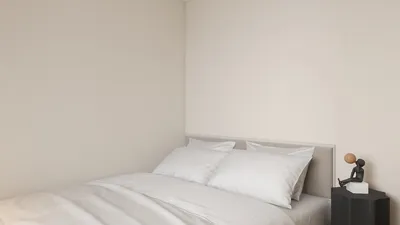


I create living spaces tailored for families that prioritize comfort, practicality, and cultural resonance over mere square footage. A typical Indian living room efficiently serves multiple purposes: it functions for prayer, welcomes guests, accommodates TV time, hosts festivals, and sometimes even serves as a study or a cozy sleeping area. The key is to achieve a harmonious balance of multifunctional layouts, ample airflow, and timeless aesthetics—while preserving the home's unique character. Utilizing design tools like Homestyler can help visualize this balance effectively.
Evidence from real-world studies underscores the importance of thoughtful design. Research from Steelcase indicates that well-planned environments can decrease cognitive strain and enhance productivity by 23%. This highlights the value of organized zoning and efficient storage. Likewise, guidance from WELL v2 underscores that controlling glare and ensuring proper lighting enhances comfort and visual clarity in daily activities. My observations in various homes confirm that a clean design paired with strategic lighting can transform even small spaces.
The significance of color selection is equal to that of the layout. Insights from Verywell Mind suggest that shades of blue and green promote tranquility, while warm hues like terracotta and mustard encourage social interactions—perfect for family living areas. By balancing these color schemes with matte finishes and soft lighting, a welcoming atmosphere is created that feels inviting at any hour.
Creating an Intentional Layout: Defining Spaces Without Barriers
Begin by delineating the room into three key zones—conversational, media-oriented, and ceremonial (for prayer or a small altar)—by implementing visual indicators instead of physical dividers. A neutral area rug can signify the seating area, while a low console anchors the media section, and a compact pooja corner ensures privacy while facilitating daily activities. For those navigating furniture arrangements in limited spaces, utilizing a room layout tool like Homestyler can aid in planning pathways and clearances prior to making purchases.
Smart Seating Solutions: Compact, Modular, and Ready for Guests
In small to medium-sized Indian living rooms, a 3-seater sofa (180–200 cm) complemented by two armless chairs typically outshines bulky sectionals. Opt for low-profile designs with slender legs to expose more floor space, enhancing the perception of openness. Incorporate a single nesting ottoman that serves as extra seating during gatherings and can be tucked away under the console during quieter times. Maintain a walkway of 60–75 cm behind the primary seating to ensure easy movement—this is an ergonomic measure that keeps the space comfortable for all ages.
Concealed Storage: Media Walls and Disguised Compartments
Clutter tends to accumulate in versatile living spaces. Installing built-in media walls with stylish fluted or paneled shutters can effectively conceal wires, set-top boxes, and remotes. Design open shelves for decorative items at the top and close storage below for everyday necessities. Tall, slim units placed near the entrance can hold prayer items, toys, and games. Utilize drawer dividers to keep everything organized—these streamlined systems minimize visual chaos, echoing Steelcase's findings on cognitive relief.
Dynamic Lighting for All Moments: Day-to-Night Adaptability
Employing a layered lighting approach is essential. Combine general illumination (warm-white 2700–3000K ceiling fixtures) with controlled task lamps in seating areas and gentle accent lights for the prayer corner. Adhering to WELL v2 principles, prioritize low-glare diffusers and dimmable options to suit evening gatherings or movie nights. A pair of wall sconces on a statement wall can provide a subtle light wash, enriching color perception. If sunlight becomes overwhelming in the afternoon, sheer curtains can help diffuse brightness and reduce glare on screens.
Blending Cultural Touches with Modern Convenience: Textiles and Arts
Infuse the room with Indian style through textiles and artisanal pieces, ensuring surfaces remain uncluttered. Consider ikat-patterned cushions, block-printed throws, and a jute or woven rug to introduce texture. Maintain a consistent theme—select one dominant pattern alongside one complementary texture to avoid overwhelming the design. A carved wooden side table or a brass decorative bowl near the entry can add a touch of cultural warmth. If planning to display garlands or candles during celebrations, ensure materials are fire-safe and prepare a ceramic tray for easy arrangement.
Applying Color Psychology for a Harmonious Atmosphere: Warmth with Balance
Embrace earthy tones—terracotta, cumin, and deep teal—balanced with soft whites or light greys on walls. Introduce vivid colors strategically (through cushions, artwork, or feature walls) while keeping wall finishes in serene neutrals for an airy feel. Shades of blue can soften the space around the TV, whereas mustard and coral near the seating invite lively conversations, mirroring the insights from color psychology studies.
Enhancing Acoustic Comfort: Softening Sounds
Hard floors and bare walls can amplify sounds. To mitigate this, incorporate soft materials: a thick area rug, cushioned seating, and heavier drapes. If noise reverberation remains an issue, consider adding a fabric-covered pinboard or framed textile art to absorb sound frequencies. Keeping the TV wall in a matte finish can help reduce harsh reflections. For homes located in noisy areas, consider double-layer curtains (sheer plus blackout) to significantly enhance the auditory environment during family moments.
Choosing Materials: Durable, Low-Maintenance, and Eco-Friendly
Select materials that can withstand everyday wear. Laminate or veneer finishes for consoles, stain-resistant fabrics for upholstery, and washable cushion covers are practical choices. Brass accents develop a beautiful patina over time; solid or engineered wood with water-based finishes minimize VOC emissions. If you're leaning towards stone, local granite or kota is both sturdy and economical. Opt for low-sheen paints to better hide marks and ensure even light distribution.
Creating a Dedicated Ritual Space: Compact and Considerate
A modest pooja unit can be seamlessly integrated into a wall alcove with a discreet backing made of textured stone or wood. Ensure there’s a heat-resistant surface and a hidden compartment for essentials like incense and matches. Position this area away from direct drafts and soft furnishings, maintaining clear pathways so that guests feel welcomed rather than obstructed.
Layout Strategies for Small Spaces
Position the largest seat against the longest wall to open up central floor space. Arrange lighter chairs at an angle to form a conversational triangle with clear lines of sight to the TV and entrance. Keep coffee tables modest in size (60–80 cm for round tables, 100–110 cm for rectangular options) and select light frames or glass tops to lessen visual bulk. For quick layout adjustments, a digital room planning tool like Homestyler is perfect for ensuring accessibility without compromising style.
Wall Treatments and Focal Areas
When creating feature walls, less can often be more: consider textures like limewash or understated wooden panels, or a single large piece of art. For displaying photos, a curated collection in matching frames conveys a sense of calm, as opposed to an overwhelming collage. Position the standout piece where it is easily visible from the sofa yet doesn’t compete with the TV—this creates a clear visual hierarchy and promotes restfulness.
Small Budgets, Large Impacts: Prioritize Key Upgrades
When finances are limited, focus your investments on lighting (opt for dimmers and improved fixtures), seating comfort (select firm cushions and supportive backs), and storage solutions that conceal clutter. Following this, enhance textiles with a quality rug and updated cushion covers for an entire refresh. Keep decorative items minimal but meaningful, rotating them with the seasons to avoid visual overcrowding.
Checklist for Space Efficiency
- Maintain unobstructed circulation paths of 60–75 cm.
- Ensure area rugs are proportionate to the seating footprint, avoiding any floating chair legs.
- At a minimum, utilize two lighting layers, adding a third for accent purposes.
- Conceal cables and remotes; label drawers for easy access.
- Select two primary materials alongside one accent metal.
- Limit open shelves, balancing them with closed storage options.
- Experiment with layouts digitally before finalizing purchases.
Further Resources
Delve into layout strategies, lighting solutions, and comfort research on Steelcase and explore best practices related to comfort and lighting as outlined in the WELL v2 framework.
Frequently Asked Questions
A 3-seater measuring around 180–200 cm with slim arms and elevated legs promotes an open feel. Pair it with two armless chairs for adaptable seating without compromising flow.
Incorporate warm earthy tones (like terracotta and mustard) for a sociable atmosphere while balancing with cooler supporting hues (soft blues and greens) for a sense of calm. This aligns with established color psychology concepts.
Utilize sheer curtains to soften harsh afternoon light, select matte finishes around the TV to minimize glare, and position lamps with diffusers rather than bare bulbs to reduce direct brightness.
Aim for warm-white 2700–3000K for general ambiance, neutral 3500–4000K for task lighting, and dimmable accent sconces to create a comfortable environment for evenings and gatherings.
Integrate a compact niche featuring a heat-resistant top, a discreet drawer for essentials, and ambient lighting. Position it away from primary traffic and fabric elements.
Combine enclosed storage below (for items like remotes and toys) with limited open shelving above for decor. Implement drawer dividers and effective cable management for a decluttered appearance.
Introduce layers of soft furnishings: a thick rug, heavy curtains, and upholstered chairs. Consider incorporating fabric-covered art or textiles to help absorb sound, while keeping reflective finishes minimal near the TV.
Absolutely. Ensure edges are rounded and frames are lightweight to reduce visual bulk. Maintain minimum clearances (at least 45 cm) between tables and seating for ease of movement.
Aim for circulation paths of 60–75 cm. This measurement ensures comfortable navigation for family members of all ages.
Select upholstery that is stain-resistant, cushion covers in washable cotton-linen blends, and durable rugs (like jute blends or handmade textiles) that can withstand frequent foot traffic.
Indeed. Nesting ottomans and armless chairs can be rearranged to accommodate guests and then tucked away afterward to reclaim floor space.
Focus on one standout element—whether it’s a significant piece of art, a textured wall, or stylish console decor—and keep surrounding items minimal for a balanced aesthetic.


Homestyler is your go-to online home design platform, perfect for creating stunning interiors with ease. Featuring a user-friendly design tool, extensive 3D renderings, inspiring design projects, and helpful video tutorials, it's designed to ignite your creativity and transform your living space effortlessly.
Zaprojektuj teraz za darmo
































