

Creating a small Indian dining area that feels spacious, rooted, and welcoming is entirely possible through smart design choices and culturally meaningful elements. I emphasize compact dimensions, tactile materials, and layered lighting to create an inviting warmth without overwhelming the space. In limited areas, efficient flow is crucial—according to research from Steelcase, the density of workspaces directly impacts perceived comfort, which can be adapted for homes by ensuring walkways of at least 30–36 inches around the dining table to enhance movement and decrease visual clutter. WELL v2 also stresses the importance of controlling glare and achieving balanced lighting; for dining rooms, this translates to incorporating dimmable ambient lights along with focused task lighting to avoid harsh spots while enjoying meals.
The psychology of color plays a significant role in compact rooms. An overview from Verywell Mind suggests that warm tones, such as soft terracotta or mustard, can foster social interactions and stimulate appetite, while overly bright colors can overwhelm confined spaces. I prefer earthy color schemes—such as ocher, indigo, and deep clove—utilizing matte finishes to minimize glare. When selecting a table, a compact round or slender rectangle measuring 60–75 cm is typically more effective than a bulky square in small Indian homes, helping to maintain a calm and inclusive visual flow.
Embrace Indian Craft with Appropriate Scaling
Traditional Indian patterns—such as block prints, jaali motifs, and brass details—are stunning when applied in scaled-down formats. I often opt for a narrow console or a shallow crockery unit with intricately carved doors instead of a full-size buffet. Limiting depths to 12–15 inches helps to maximize floor space, and anchoring the dining section with a flatweave dhurrie that extends 24 inches past the chair legs facilitates easy movement. For spaces where dining and living areas overlap, a low-backed settee placed along one edge can provide seating as well as a visual distinction without the need for walls.
Refine Table Shape and Seating Arrangement
A small round table, with a diameter of 90–105 cm, naturally encourages conversation and fits neatly into tight corners compared to a square alternative. Extendable drop-leaf tables are lifesavers for festive occasions and gatherings. Additionally, bench seating upholstered in ikat or khadi can save space and tuck neatly away. If a new layout is in your plans, using a room layout tool like Homestyler can help you evaluate circulation paths and chair clearances before making any purchases, ensuring that chairs can be pulled back at least 18–24 inches without obstructing movement.
layer layout tool
Strategically Layered Lighting That Enhances Dining Experiences
Even in smaller dining areas, utilizing three layers of lighting can maintain a flexible atmosphere: ambient (ceiling-mounted or recessed), task (pendant lights hung 28–34 inches above the table), and accent (such as wall washers or subtle uplights highlighting a brass thali). Following IES guidelines emphasizes the need for uniform lighting and minimizing glare; I target ambient levels between 100–200 lux for dining settings, employing warmer color tones (2700–3000K) to enhance skin tones and food presentation. A dimmer switch on the pendant allows for smooth transitions from casual meals to festive dining without drowning out the vibrant colors in curries and chutneys.
Color and Material Choices Grounded in Indian Culture
Soft, earthy wall colors—such as limewash or low-VOC warm neutrals—create a flexible backdrop for art and textiles. I prefer sturdy woods like sheesham or mango for dining tables, treated with oil or low-sheen varnish to reduce reflections. Incorporating brass and copper elements elevates table settings, while cane or rattan chair backs offer breathability and an authentic tactile quality. An indigo-dyed runner and block-printed cotton napkins introduce patterns without overwhelming the overall decor. Keep reflective materials minimal; a strategically positioned mirror opposite natural light can enhance perceived space, but avoid extensive mirrored surfaces which can create visual chaos.
Storage Solutions: Slimline and Ritual-Friendly
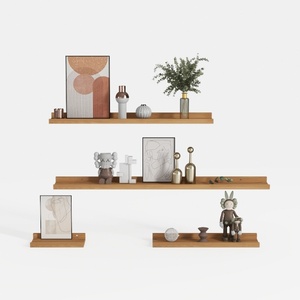
In limited spaces, maximizing vertical storage is essential. A wall-mounted crockery shelf, 8–10 inches deep, effectively organizes katoris and small plates. Drawers designated for utensils and spices maintain a clutter-free dining experience. If your dining area also functions as a pooja corner, consider implementing a compact nook with a sliding screen, either jaali or linen, ensuring that spiritual rituals are acknowledged without disrupting everyday meals. Keep frequently-used dining ware within easy reach, while seasonal items can be stored on higher shelves.
Enhancing Acoustic Comfort in Smaller Dining Spaces
Tiles and concrete are reflective materials that can amplify sound; therefore, it's advantageous to incorporate softness through textiles. Featuring a dhurrie on the floor, cushioned seats, and linen drapes helps to reduce echo. If your dining area shares a wall with the kitchen, consider adding a fabric-wrapped notice board or framed textile art that can absorb sound without appearing overly utilitarian. The goal is to create an intimate atmosphere that fosters easy conversations, especially in homes filled with the hum of kitchen appliances.
Consider Ergonomics and Human Factors
For comfortable Indian dining, maintain a table height around 28–30 inches and a chair height of 17–18 inches. Adequate elbow room is crucial; plan for at least 24 inches of width per person on benches and 26–28 inches on chairs for longer meal sessions. In extremely limited spaces, opt for stools with back support and footrests to enhance comfort.
Smart Zone Division in Combined Living and Dining Areas
When dining areas coexist with living spaces, effective use of lighting and rugs can help define boundaries. A pendant light centered above the table, paired with a distinct rug texture beneath seating, creates subtle separations. Ensure clear sightlines to the TV, if present, but make sure screens do not distract from the dining experience; a simple act such as dimming the pendant light can signal a transition from watching to dining.
Flexibility for Festive Gatherings
In Indian households, it's common to host visitors—friends dropping by or families gathering for occasions like Raksha Bandhan or Diwali. Incorporating foldable chairs, stackable stools, and a nesting side table makes it effortless to accommodate guests. A rolling tea trolley is a small space miracle: it can serve as a bar, transition to dessert service, and then neatly tuck away when not in use.
Curated Minimalism Instead of Sparseness
In Indian dining, minimalism does not equate to sterility; rather, it's about a carefully curated collection of pieces. A single brass urli with floating marigolds, a framed Madhubani or Warli artwork, and a simplistic grouping of three pendant lamps can beautifully convey a narrative. Avoid tall centerpieces to preserve eye contact; reassess decor every season—if surfaces accumulate items such as keys and mail, introduce a drop-zone tray near the entryway to keep the dining area clear.
Emphasizing Light and Ventilation
Natural light is an invaluable asset. Soft sheer curtains in off-white or muted shades diffuse harsh sunlight while protecting wooden surfaces. Ensuring cross-ventilation prevents cooking odors from lingering; if layout permits, align window and door openings along the shorter side of the room to minimize stagnant air pockets. A ceiling fan set on low helps maintain comfort in warmer climates without causing drapes to flutter excessively.
Cost-Effective Enhancements
Maximize impact by focusing on key elements like the dining table, lighting, and textiles. Refinishing a wooden table in a rich oil finish, switching from cool-white bulbs to warm LEDs, and investing in a quality dhurrie and premium cotton linens are sensible upgrades. These small alterations combine to create a well-designed dining environment.
Effective Example Layouts
• 8 ft x 8 ft room: 90 cm round table, two chairs plus one bench; shallow wall unit for crockery; centered dimmable pendant.
• Dining setup in a 12 ft x 18 ft combined space: 120 cm oval table near a window, four airy cane chairs; soft separation with console and rug; linear pendant complementing table shape.
Maintenance and Sustainability
To maintain longevity, oil wooden surfaces quarterly; use a lemon-salt paste to clean brass, then rinse and dry; rotate your rug every season to balance wear. Opt for slipcovers that can be easily washed, and utilize heat-resistant mats to protect surfaces during meals involving hot dishes.
Credible References
For effective lighting design and glare management, refer to WELL v2 and IES guidelines, which offer valuable insights. Additionally, Steelcase’s workplace research provides worthwhile perspectives on space density and comfort that can be applied in home planning.
Frequently Asked Questions
Q1: What table shape is best for a very small Indian dining room?
A round table (90–105 cm) facilitates fluid movement and encourages conversation. Oval tables are also effective if you require a slightly extended surface without sharp corners.
Q2: How warm should the lighting be?
Utilize 2700–3000K LEDs for the dining area; these tones enhance skin and food appearance. Aim for an ambient light level of approximately 100–200 lux paired with a dimmable pendant for mood management.
Q3: Is it appropriate to combine brass with modern finishes?
Indeed. Pair brushed brass accents with matte wood and cotton fabrics. Limit brass embellishments to a few focal pieces, such as an urli or candle holders, to maintain a clean aesthetic.
Q4: What seating arrangement works well for four individuals in small settings?
Two chairs alongside a bench against the wall can save space. Allocate 24–28 inches in width per person while ensuring a 30–36 inch walkway around the table.
Q5: How can I incorporate a pooja area without disrupting the dining space?
Consider a compact niche featuring a sliding jaali screen and soft accent lighting positioned adjacent to the dining area to keep circulation unobstructed.
Q6: What can I do to lessen echoes in a tiled dining room?
Introduce a dhurrie, upholstered furniture, and linen drapes. Mounting a fabric-backed art piece on the wall enhances sound absorption without compromising aesthetic appeal.
Q7: Is having an extendable table advantageous in a small apartment?
Absolutely. A drop-leaf or butterfly extension can accommodate extra guests during festivities, then retract for everyday use.
Q8: Which color schemes are most effective in encouraging conversation and appetite?
Warm, earthy hues—such as terracotta, mustard, and ocher—enhance social interaction. Maintain moderate saturation while opting for matte finishes to limit glare.
Q9: What size rug should I use under a small table?
Choose a rug that extends 24 inches beyond the chair legs when pulled out. Flatweave dhurries are both practical and unobtrusive.
Q10: How can I effectively store crockery in a compact dining area?
Wall-mounted units that are 8–10 inches deep can effectively accommodate essentials; use drawers for silverware while keeping reserve festive serveware on upper shelves.
Q11: Is it permissible to situate the dining near the television?
Yes, just ensure zones are clearly defined with lighting and area rugs. The pendant light above the dining table can serve as a prompt to shift focus from watching to dining at mealtimes.
Q12: What’s the suitable height for a pendant light?
Suspend the pendant 28–34 inches above the dining table to minimize glare while facilitating clear sightlines across the table.



If you're looking to transform your home with ease, Homestyler is the way to go! This user-friendly platform offers a powerful online design tool, stunning 3D renderings, and an array of inspiring DIY video tutorials. Bring your home design dreams to life effortlessly!
Zaprojektuj teraz za darmo
































