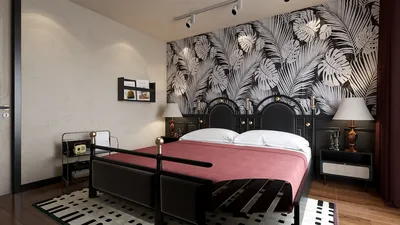


When it comes to enhancing the exteriors of small homes, my primary focus is to create an illusion of more space while boosting comfort levels. In compact designs, every aspect of the exterior, including facades, pathways, and landscaping, must be meticulously planned. Employing thoughtful massing, diversified materials, well-managed lighting, and purpose-driven outdoor areas can transform a modest home into a generous, cohesive, and inviting space. Using a tool like Homestyler can greatly assist in visualizing these enhancements.
The perception of space is quantifiable. Studies conducted by Steelcase indicate that visual accessibility and natural light significantly enhance spatial satisfaction and productivity, a principle that equally applies to outdoor settings. Ensuring clearer lines of sight and brighter entryways helps minimize visual chaos and amplifies the sense of openness. The WELL v2 Light concept suggests a minimum of 300 lux for areas designed for visual tasks, which, while typically an indoor requirement, can also guide lighting decisions for outdoor paths and entryways to improve safety and visibility at night.
My approach to designing exteriors relies on data-driven principles. Research from Gensler highlights that environments which are easy to navigate decrease cognitive load; for outdoor spaces, this means establishing clear entries, consistent transitions between materials, and lighting that guides movement. According to Steelcase, diverse environments cater to various activities; consequently, a small residence thrives when segmented into defined areas—such as arrival, relaxation, dining, and utility—using paving materials, plant layouts, and smart lighting. I often utilize a layout simulation tool, like Homestyler, to plan paths and outdoor zones, ensuring optimal flow and visibility.
Focus on Massing, Proportions, and Sightlines
For small exteriors, maintaining a clean massing with simplified rooflines is essential. The primary structure should remain easily identifiable, while secondary extensions, such as a sheltered entryway or a bay window, should only be added if they enhance functionality. To create an impression of height, incorporate vertical features such as slender trellises or tall plants. Effective sightline management is crucial; aligning windows, entry points, and outdoor elements allows views to extend through the yard, which can enhance the sense of depth.
Create an Inviting Entry Sequence
A petite porch or overhang can significantly elevate the arrival experience. Aim for a clearance of at least 1.2 m (4 ft) leading to the entrance, with a space for rest and packages measuring 1.5 x 1.5 m (5 x 5 ft). Layer your design with elements like a low wall or hedge about 600–900 mm in height, warm exterior lighting set to 2700–3000K, and a door color that contrasts the facade by 30–40% to guide visitors intuitively. Consistent heights for hardware and house numbers, well-illuminated, can streamline visibility.
Utilize Color Psychology to Create an Illusion of Space
Strategic use of color can contribute to an expanded visual scope in a compact home. Lighter, neutral exterior colors—such as warm grays, soft taupes, or muted sages—enhance the perception of width, while darker trims can define edges without making the space feel cramped. Focal points like doors, planters, or mailboxes should feature accent colors rather than scattering them throughout the facade. Research shows that human brains process color quickly; therefore, a cohesive color palette minimizes visual clutter. For insights on how color impacts mood and perception, resources like Verywell Mind provide excellent guidance.
Optimize Outdoor Lighting for Safety and Comfort
The quality of light is equally important as its quantity. Pathway lighting should hover around 10–20 foot-candles (approximately 100–200 lux), with a preference for 2700–3000K warm whites to foster a comfortable residential atmosphere. Employ shielded fixtures and forward-throw optics to reduce glare and aim for an even lighting distribution with ratios close to 4:1 to avoid bright spots. Implement layered lighting techniques, including ambient lights (like downlights or lanterns), task lighting (step lights), and accent lighting (uplighting on trees or walls). Additionally, motion sensors in side yards can lower energy consumption while enhancing security.
Define Outdoor Micro-Zones for Various Activities
Even modest lots can benefit from purposefully designed outdoor areas. For instance, a compact sitting terrace measuring 2.4 x 2.4 m (8 x 8 ft) can be paired with a 0.9 m (3 ft) planting area for privacy. Ensure dining spaces measure at least 3.0 x 2.4 m to accommodate a four-seat table, while maintaining a clearance of 900 mm for free movement around furnishings. Use changes in surface materials to delineate these zones—utilizing smooth concrete at the entrance, permeable pavers in seating areas, and gravel for utility spaces. Tools like an interior layout planner can be instrumental in visualizing these arrangements.
Choose Materials that are Durable, Low-Maintenance, and Eco-Friendly
Compact homes benefit from materials that withstand the test of time. Consider options like fiber-cement or thermally modified wood for the exterior, alongside standing-seam metal for straightforward roof designs, and UV-resistant composite trim for clean edges. Limit primary facades to no more than two types of materials to reduce visual chaos; a third material can be selectively introduced at the base or entry area. To mitigate stormwater runoff, explore permeable paving solutions and high-albedo roofing, appropriate to the climate. Select robust plant types featuring evergreen structures, deciduous highlights, and a streamlined selection of perennials to avoid visual overcrowding.
Enhancing Acoustic Comfort in Compact Areas
In densely populated neighborhoods, small houses can greatly benefit from acoustic strategies. Opt for solid, staggered board fences, dense greenery (such as laurel or viburnum), and water features that can create white noise. When designing hardscapes, strike a balance between absorptive and reflective surfaces; wooden decking paired with underlayment can muffle footstep sounds, while textured stucco or living walls can disseminate noise effectively. Position areas meant for socializing away from bedroom windows to preserve peace during nighttime hours.
Establish a Harmonious Facade Rhythm and Visual Equilibrium
Craft window arrangements with a clear sequence—group them in pairs or sets of three rather than juxtaposing solitary ones. Maintain uniform head heights and align window sills to create visual consistency. When selecting trim widths, keep them proportional; 75–100 mm trim feels appropriate on smaller homes, with the option to widen the trim at the entrance to signify its importance. Use shadows effectively to enhance depth, employing projected lintels, shallow awnings, or battens to introduce texture without overcrowding the design.
Utilize Planting Shapes and Canopies to Define Outdoor Spaces
In compact architectural settings, the landscaping plays a crucial role in defining spatial clarity. Frame entries with vertical elements, such as column-like evergreens, soften edges with layered shrubbery, and employ a single canopy tree to elevate the facade. Arrange plant heights strategically—groundcover should be around 100–200 mm, mid-tier plants at 600–900 mm, and taller screen plants ranging from 1.8–2.4 m to provide privacy while allowing light penetration. To simplify maintenance, incorporate drip irrigation systems and mulch to limit visual mess and water usage.
Incorporate Clever Storage Solutions and Utility Screening
Conceal outdoor furniture, bins, and tools behind louvered screens or integrated side storage sheds. Maintain a clear service path of 900 mm, with low-glare lighting and non-slip surfaces to deter clutter from spilling into primary views. If visible equipment such as hoses or air conditioning units must be displayed, consider using slatted enclosures that permit airflow while maintaining a tidy appearance.
Designing Porches, Decks, and Minor Extensions
When adding a porch or deck, be mindful of proportion. Use slender posts on smaller homes and maintain low-profile railings. Depths ranging from 1.8–2.4 m (6–8 ft) are ideal for modest gatherings; any deeper may cast shadows on interior spaces. If incorporating a pergola, ensure it accommodates a head clearance of at least 2.1–2.4 m and consider adjustable slats to balance light levels throughout seasonal changes.
Optimize Lighting Controls and Energy Strategy
Smart timers and photocells can help prevent excessive lighting. Synchronize pathway lights with dusk-to-dawn cycles, and use manual boosts for social events. Warm LED lighting with a high color rendering index (CRI 90+) keeps materials appearing true and vibrant. In multifunctional yards, provide each area with its own switch to minimize energy waste and avoid glare spill.
Budget-Conscious Strategies with High Impact
Direct your budget toward thresholds and focal points—areas where the eye naturally gravitates. Consider upgrading the entry door, house numbers, and the first two fixtures; refresh paint on trim and invest in robust perennials at the entry. Often, small changes made in the entry sequence yield significant improvements in perceived value.
Frequent Mistakes to Avoid
Common pitfalls include over-complicating facades, using mismatched color temperatures, excessive glare from fixtures, creating too many sub-zones for limited yard space, and dispersing accent colors in a way that diminishes coherence. Avoid situating dining areas too close to high-traffic driveways; maintain a reasonable distance for grills and fire elements from bedroom windows. Steer clear of tall, imposing fences in small yards; opt for layered, semi-opaque barriers that allow for light and airflow.
Frequently Asked Questions (FAQ)
Aim for approximately 100–200 lux on walkways, and increase the illumination slightly at the entry landing for better visibility. Utilizing warm 2700–3000K lighting with effective shielding can diminish glare and enhance nighttime comfort.
Using light, desaturated base colors together with darker, sharp trims can create an illusion of expanded width. Maintain a tight color palette and focus on accents at the door or other prominent elements.
An ideal depth of 1.8–2.4 m (6–8 ft) supports both seating and movement without making adjoining rooms feel darker. Ensure sufficient head height and layered light for evening enjoyment.
Combine solid fencing with staggered boards and lush hedges; adding a modest water feature can help with sound masking. Utilize textured surfaces to diffuse noise while avoiding harsh reflective areas.
Utilize materials such as fiber-cement or thermally modified wood siding, coupled with standing-seam metal roofs and UV-resistant composite trim that endure weather impacts while keeping clean lines and requiring minimal upkeep.
Designate clear functions for spaces—arrival, relaxation, dining, and utility—and separate these areas using paving textures, varying plant heights, and strategically placed lighting. Always maintain at least 900 mm of clearance around furnishings to ensure comfortable movement.
Inviting warm white lighting in the 2700–3000K range creates a welcoming atmosphere and complements natural materials. Consistency in color across various fixtures helps avoid a patchwork appearance.
Absolutely. Using a room design simulation tool like Homestyler allows for effective testing of furniture placements, clearances, and sightlines, adjusting spaces until circulation feels natural and intuitive.


Homestyler is the ultimate home design platform for anyone looking to create their dream space. With a user-friendly online design tool, stunning 3D renderings, and a treasure trove of DIY video tutorials, you can easily explore and implement your interior design ideas. Transform your home today!
Дизайн сейчас бесплатно
































