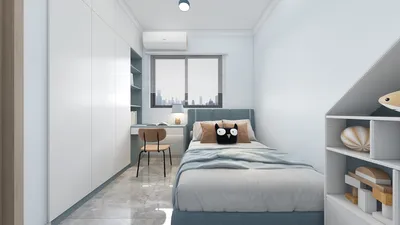


Having designed and constructed numerous small homes, a recurring question arises: how much square footage is truly necessary for comfortable living? While the total area matters, the functionality of that space is equally important. The National Kitchen & Bath Association (NKBA) suggests that kitchen work aisles should ideally measure 42–48 inches to allow for easy movement, which is especially crucial in compact homes where every inch is utilized. Furthermore, the WELL v2 standard highlights the importance of adjustable lighting and soundproofing to enhance occupant comfort—essential for rooms that share walls.
Research on workplace environments provides valuable insights for residential design. For instance, studies by Steelcase demonstrate that spaces accommodating various activities—such as collaboration and focus—can alleviate stress and boost performance. This concept applies similarly in small homes, where creating multi-functional areas with acoustic separation, possibly through sliding panels or fabrics, can be effective. Regarding lighting, the Illuminating Engineering Society (IES) advises that ideal brightness for task areas is around 300–500 lux, while ambient lighting should be lower; hence, small houses greatly benefit from layered lighting strategies that minimize glare and adjust seamlessly to daily routines. Those seeking detailed guidelines can refer to WELL v2 standards for light and sound in residential settings.
Color choices significantly influence the ambiance in smaller living spaces. According to Verywell Mind, cooler colors can create an illusion of more space, while vibrant accent hues can energize a room without causing chaos. When considering human factors such as reach areas, pathways, and seating ergonomics, a thoughtfully designed home of 700–900 sq ft can feel surprisingly spacious.
Understanding What Constitutes a Small House
In my experience, a small house typically ranges from approximately 500 to 1,000 square feet, with micro units falling below 400 square feet. For couples or individuals, the ideal size often lies between 650 and 900 square feet, particularly when vertical storage solutions are implemented and clear circulation paths are maintained. A truly functional small home takes into account not just the floor area, but also the balance of private and communal spaces, natural light access, and sound insulation between sleeping and cooking areas.
The Impact of Footprint on Design
The dimensions of a home greatly determine how spaces can be combined effectively. In homes under 600 square feet, one often finds integrated living and dining areas, a compact kitchen (either galley or single-wall), and a bathroom that includes a shower or a small tub. In the range of 700–900 square feet, it becomes feasible to have a separate bedroom, a flexible space (like an office or guest room), and a more functional L- or U-shaped kitchen design. Once the area exceeds 900 square feet, there is more freedom for entryways and storage solutions. For tight fittings, using a room layout tool to simulate your design can be invaluable—testing aisle widths, sofa dimensions, and door swing issues before committing to construction.
room layout tool
Balanced Space Ratios for Small Homes
For couples, I generally aim for a 60/40 division between social and private spaces, while for solo living, a 70/30 division can work well. Kitchens are best kept to about 10–15% of the total area, with living spaces at 20–25%, bedrooms at 15–20%, and storage (including mechanical areas) at 10–12%. Analyzing your day-to-day routines—such as work commitments, cooking habits, and physical activities—can help adjust these ratios intelligently while maintaining comfort.
Effective Layout Options
• Open studio: a seamless living/bed area with sliding or fabric partitions; most effective under 500 square feet.
• Shotgun linear: a sequence of living space, kitchen, bath, and bedroom; ideal for narrow lots.
• L-shaped social core: kitchen and living areas surrounding an outdoor space; promotes airflow and cross-ventilation.
• Split private wing: a bedroom and bath sectioned off from living areas by a storage spine; lessens sound transfer.
Consider utilizing an interior layout planner to engage with furniture-sizing and movement patterns prior to finalizing your design.
interior layout planner
Lighting, Color, and Sound Control in Compact Spaces
Aim to incorporate ambient, task, and accent lighting. Maintain ambient light levels between 150–300 lux, task lighting around 300–500 lux in kitchens and workspaces, and enhance warmth with accent lights. Light color temperatures should typically be 2700–3000K for living and sleeping areas, and 3500–4000K in active zones. Using matte surfaces can minimize glare, while glossy finishes can create a sense of constricted space. When it comes to colors, implement a light, neutral foundation, using mid-tone cabinetry or shelving as grounding features, reserving bolder colors for thoughtful accents. To enhance acoustics, choose soft materials—like rugs and upholstered panels—along with solid-core doors for improved privacy.
Storage and Vertical Solutions
Think in terms of cubic feet rather than just square footage. Employ full-height cabinetry, over-door storage, and expansive windowsills for display purposes. In bedrooms, under-bed drawers can be more effective than lift beds for daily accessibility. For homes under 700 square feet, aim to allocate 15–25% of the total area to storage to prevent clutter accumulation.
Essential Kitchen and Bath Features for Small Spaces
In the kitchen: Keep the work triangle tight, adhere to the NKBA's 42–48 inch spacing rule, and incorporate task lighting beneath cabinets. A single 24-inch dishwasher or drawer-style dishwasher can help maintain base cabinetry. In bathrooms: Utilize pocket doors to save space; a 32-inch shower can work effectively when a niche and glass panel are used to keep sightlines open. Proper ventilation is vital—quiet fans can enhance the perception of space by swiftly eliminating odors and moisture.
Flexible Spaces and Mixed Functionality
A small house benefits from multi-functional areas: such as a dining table that serves as a workspace, a murphy bed in an office, or a low media console that conceals exercise equipment. The key strategy here is to delineate uses through lighting settings and movable partitions rather than fixed walls. By orchestrating daily transitions with light and sound, a compact layout can feel much more expansive.
Materials and Eco-Friendliness
Select durable, low-VOC finishes such as FSC-certified wood veneers, mineral-based paints, and tiles with high recycled content. Smaller homes naturally minimize material consumption, but nuanced details are essential—opt for washable fabrics, sturdy hardware, and surfaces that are easy to repair. Choosing refinishable countertops over new installations can significantly decrease lifecycle costs and waste.
Costing by Square Foot
While pricing may differ by region, smaller homes often incur higher per-square-foot costs due to concentrated systems and millwork. Plan your budget strategically around items you consistently use—such as door hardware, faucets, lighting, and mattresses. Trim elsewhere without compromising on ergonomic needs.
Navigating Permitting, Codes, and Future Resale
Local regulations might dictate minimum room dimensions, egress windows, and clearance requirements. It’s wise to plan ahead regarding mechanical closets and maintenance access. When it comes to resale value, maintaining a true bedroom with a door, ample storage, and an efficient kitchen layout is vital, as buyers tend to value clear functionality, even within compact dimensions.
Frequently Asked Questions
Q1: What square footage is suitable for two individuals?
A: Generally, a range of 700–900 sq ft is comfortable for most couples, provided that storage solutions are vertical and rooms support easy circulation. A flexible space for work or guests can help the layout adapt to changing needs over time.
Q2: Does an open plan contribute to a small house feeling larger?
A: Yes, it enhances visual flow and daylight access, but it is also important to incorporate acoustic solutions—such as soft finishes and solid-core doors for bedrooms—to minimize noise disturbances.
Q3: What is the recommended brightness for a small home?
A: Ambient lighting should be kept between 150–300 lux, with task areas aimed at 300–500 lux, in line with IES recommendations. Utilizing dimmers and layered lighting can prevent glare and facilitate various activities effectively.
Q4: Which kitchen layout is appropriate for areas under 700 sq ft?
A: Galley or single-wall kitchen layouts that maintain a compact work triangle are typically most effective. Always respect the NKBA’s 42–48 inch aisle guidelines and prioritize task lighting beneath cabinets.
Q5: Which colors can help make small spaces appear larger?
A: Employ light neutral tones for walls, complemented by cool undertones to enhance spatial perception, while using carefully chosen saturated colors as accents. Insights from Verywell Mind indicate that cooler shades can induce calmness and visually enlarge an area.
Q6: How can I maintain personality in a small home without adding clutter?
A: Devote 15–25% of the total area to storage, leverage closed cabinetry for bulky items, and curate open shelves for character. Instead of continually adding items, consider rotating displays seasonally.
Q7: What is the best strategy for determining furniture scale?
A: Utilize a room design visualization tool to evaluate furniture dimensions, table sizes, and door swings. Opt for low-profile furnishings and steer clear of oversized sectionals in spaces under 800 square feet.
Q8: Is it possible for a small home to function as a dedicated workspace?
A: Absolutely. Consider a wall-mounted desk with appropriate task lighting, acoustic curtains, and a foldable chair. When setting up work spaces, focus on defining functional areas through lighting rather than installing permanent partitions.
Q9: What are effective methods for enhancing sound privacy in a compact layout?
A: Solid-core doors for bedrooms, rugs, and curtains can greatly improve sound insulation. Also, stagger doors to eliminate direct sightlines between noisy and quiet spaces.
Q10: Are smaller homes intrinsically more sustainable?
A: Yes, they naturally use fewer materials and energy. Prioritize durable, repairable finishes and low-VOC materials to maximize longevity and further reduce waste.
Q11: What resale features are most valuable in a small house?
A: A dedicated bedroom with a door, a functional kitchen with sufficient storage, good lighting, and well-defined spaces. Buyers typically look for practicality and comfort over innovative designs.
Q12: How can I budget based on square footage?
A: Anticipate a somewhat higher cost per square foot due to dense infrastructure and cabinetry. Focus investment on essential items—hardware, fixtures, and lighting—while economizing on decorative elements.
Built on technology originally developed at Autodesk, Homestyler empowers anyone to design beautiful, realistic spaces in minutes. Join over 18 million users who have already discovered a smarter way to plan, visualize, and bring their dream homes to life — all from the comfort of a browser.
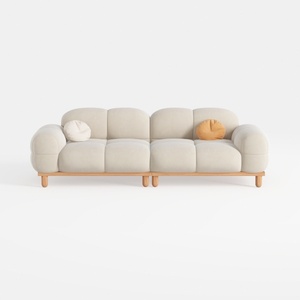

Minimalist Beige Fabric Solid Wood Sofa 3D Model
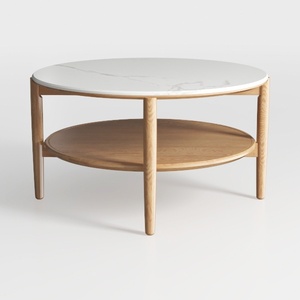
Minimalist Marble Top Solid Oak Round Two Tier Coffee Table 3D Model

Minimalist Tan Leather L-Shaped Sectional Sofa 3D Model
Discover the ease of home design with Homestyler! This innovative platform offers a user-friendly online design tool, stunning 3D rendering to visualize your ideas, and a wealth of design projects and DIY video tutorials. Transform your space effortlessly today!
Diseño ahora GRATIS
































