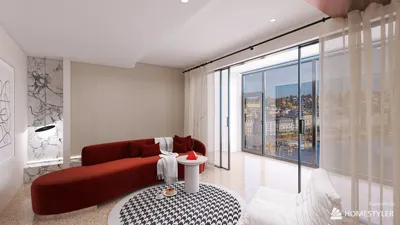


I once took on the challenge of designing a 350 sq ft storefront in Jersey City where the owner wanted to incorporate a café, retail shelves, and a small workshop, all in a single open space without any walls. This compact layout was a valuable lesson in how constraints can ignite creativity.
Working with limited space demands clarity: every square foot needs to serve a purpose. Small areas can inspire significant ideas, and in this article, I share five design strategies I employ on tight commercial leases to enhance functionality, aesthetic appeal, and profitability.
1. Dynamic zones using folding and mobile furniture
I enjoy creating designs featuring fold-down counters, mobile display carts, and bench seating that can be tucked away. The advantage is clear: you can seamlessly transition a retail space from day to evening events in just moments. The downside, however, includes the additional hardware and upkeep required to ensure everything functions smoothly.
Budget tip: begin with one multi-purpose item, such as a fold-down counter, before expanding to a full range of modular furniture solutions.
save pin
2. Vertical displays and intelligent storage solutions
When floor space is limited, consider building upwards. Tall shelving, pegboards, and hanging rails can create a sense of height and maximize merchandising potential without overwhelming the ground area. This approach not only looks appealing but also ensures inventory remains easily accessible; however, keeping displays organized is essential, as clutter can dominate a small space.
Practical advice: replace deep lower cabinets with pull-out trays to prevent stock from being lost in the back of cupboards.
save pin
3. Utilizing light, mirrors, and layered lighting to create the illusion of space
Natural light is invaluable. If your space lacks it, consider adding mirrors and implementing a layered lighting design (ambient, task, and accent lights) to add depth. I once transformed a shop in Hoboken by swapping a single overhead fixture for directional LED strips and installing a large mirror, instantly making the space feel twice as large.
A practical tip: create an interactive 3D floor mockup using tools like Homestyler to visualize sightlines and lighting placements before finalizing any purchases.
save pin
4. Clear pathways for customers and a streamlined checkout process
Customers should have an uncomplicated route: entering, browsing, trying, purchasing, and exiting. Keep the checkout area compact and visible so that staff can oversee the space without obstructing customer movement. The advantage is increased conversion rates; the trade-off may include sacrificing a large back counter, which can often be compensated for with mobile POS systems and wall-mounted storage.
For instance, a small boutique in Montclair relocated its register to a corner wall-mounted shelf, which led to a 20% increase in usable sales area in the main room.
save pin
5. Multi-functional back-of-house areas: storage, preparation, and staff areas
In compact commercial leases, back areas need to be meticulously planned. Consider spaces that accommodate multiple functions: a small prep counter that also serves as an order staging area, along with overhead lockers and a fold-down stool, can enhance staff efficiency. While this may require detailed planning and potentially custom millwork, it significantly alleviates congestion during busy hours.
If you're looking to prototype the kitchen flow for a café or food stall, using a kitchen workflow layout example can help you identify potential blind spots.
save pin
Frequently Asked Questions
Q1: What should I consider before signing a lease for a small commercial space in NJ?
Inquire about zoning regulations, permitted uses, lease duration, and tenant responsibilities regarding utilities and maintenance. Additionally, check if changes to signage and façade modifications are permitted by the landlord or local codes.
Q2: What is the cost associated with fitting out a small retail space?
Costs can vary significantly: a basic aesthetic update might just cost a few thousand dollars, whereas a complete build-out (including plumbing, kitchen installations, and custom millwork) can range from $20,000 to $80,000. Start with a prioritized list to manage expenditures effectively.
Q3: Am I required to obtain permits for renovations?
Yes, most changes that are structural, electrical, or plumbing-related will necessitate permits. The U.S. Small Business Administration (sba.gov) indicates that local building departments provide permits in relation to zoning and safety requirements.
Q4: How can I create a more upscale feel in a small space without overspending?
Emphasize quality materials and fine details: investing in quality hardware, maintaining a cohesive color scheme, and ensuring adequate lighting can make a significant impact. Small upgrades, such as a feature wall or tailored signage, often yield a high return on investment.
Q5: Are modular systems beneficial for businesses that are evolving?
Definitely. Modular fixtures allow you to experiment with merchandising, adapt seasonal layouts, and scale effectively without extensive renovations. The caveat is the initial investment in high-quality modular units.
Q6: What is a realistic lease duration for small shops in NJ?
Typically, small commercial leases last between 3 to 5 years, with options to renew; shorter pop-up leases or month-to-month agreements are also viable for testing concepts. It’s advisable to negotiate tenant improvement allowances wherever feasible.
Q7: How should I manage deliveries and waste disposal in a small space?
Designate a specific back-of-house area for receiving deliveries, scheduling them during off-peak hours. Use vertical storage for packing materials and implement compact waste solutions, like under-counter bins, to maintain a tidy front space.
Q8: When should I consider engaging a professional designer?
If the layout significantly affects operations, such as kitchen flow, accessibility, or accommodating heavy equipment, it’s wise to hire a designer early on to avoid costly errors. For aesthetic modifications, a consultation or utilizing a 3D mockup, like those offered by Homestyler, can be beneficial in saving both time and money.
save pin
Homestyler is your go-to online home design platform, perfect for unleashing your creativity! With its user-friendly design tool, stunning 3D renderings, inspiring design projects, and helpful DIY video tutorials, transforming your space has never been easier or more enjoyable. Start designing today!
Zaprojektuj teraz za darmo
































