


Investing in the layout of small classrooms can create highly effective learning environments. I emphasize the importance of spatial clarity, versatile furniture, and a sensory-friendly atmosphere to allow for seamless transitions from direct teaching to collaborative work. The WELL v2 framework underscores how critical factors like lighting, sound, and ergonomics can significantly impact both student performance and overall wellbeing—principles I apply when designing compact, adaptable spaces. Research from Steelcase indicates that classrooms tailored for active learning can enhance student engagement and elevate higher-order thinking, especially when thoughtful zoning and mobility are prioritized.
Thoughtful selection of features plays a crucial role. The Illuminating Engineering Society (IES) suggests maintaining horizontal illuminance levels between 300 and 500 lux in classrooms, with increased levels for focused tasks. I achieve this by utilizing layered ambient and indirect lighting sources to minimize glare. Color experts reveal that shades of blue and green are conducive to concentration and tranquility, while soft yellows can elevate a positive atmosphere—key insights when choosing finishes for compact classrooms that need to optimize functionality without overwhelming students (source: Verywell Mind on color psychology). To ensure comfort, I align chair heights to student dimensions and maintain circulation paths measuring 600 to 900 mm for safe mobility during quick rearrangements.
Create Distinct Micro-Zones
Small classrooms thrive when organized into three or four distinct micro-zones, rather than relying on a single open area. I typically designate: 1) a focus wall that minimizes distractions; 2) a collaborative island featuring movable tables; 3) a quiet corner for solitary work or relaxation; and 4) a practical area for hands-on activities if the curriculum allows. While planning these spatial allocations, I aim for 40-50% of the space dedicated to collaborative efforts, 25-30% for direct instruction, and the remainder for circulation and storage. Utilizing a layout simulation tool like an interior layout planner can effectively visualize different configurations and assess flow and proximity: room layout tool.
Furniture That Facilitates Movement
I prefer furniture equipped with lightweight, lockable casters, allowing a single individual to reconfigure the space in less than two minutes. Nesting chairs optimize space efficiency, while trapezoidal or quarter-round tables can be arranged into various shapes—such as circles, chevrons, or rows—without leaving unusable gaps. In compact areas, I minimize bulky desks by incorporating open frames that enhance visual accessibility and decrease the room's overall heaviness. Storage solutions should be mobile and vertical, such as pegboards, rail systems, and portable caddies, to adapt to different activities while maximizing floor space.
Optimized Technology Solutions
Large fixed screens can overwhelm smaller classrooms, so I recommend utilizing ultra-short-throw projectors or moderate-sized 65 to 75-inch displays alongside portable whiteboards. Managing cables is essential for safety; I advice routing power along perimeter raceways and using floor grommets sparingly. For shared devices, establishing a standing tech bar along a window wall helps conserve desk space while promoting focused, brief interactions. To improve acoustics, I suggest employing soft mounts and rubber feet on tech carts to dampen vibrations, and using felt-lined trays to prevent noise disruption.
Effective Lighting and Glare Management
To promote a comfortable environment, ambient lighting should be consistent and free of flicker; utilizing direct/indirect LED pendants or ceiling-integrated panels can help reduce harsh shadows. Task lighting at collaboration tables should provide illuminance levels above 500 lux for meticulous work without fully illuminating the entire classroom. Dimmable systems enable educators to transition quickly from teaching presentations to group discussions. Installing dual shades on windows—light-filtering for daytime and blackout for AV purposes—coupled with matte boards and tabletops can effectively combat glare. The IES outlines established standards and guidance for classroom lighting levels through their published recommendations (see IES standards).
Utilizing Color Psychology and Calming Materials
In smaller spaces, overly bright color schemes can create a sense of chaos. I typically start with a neutral base (warm gray or soft off-white) and then introduce carefully selected accents: subdued green in the quiet nook to foster relaxation, muted blue surrounding the focus wall to facilitate concentration, and a burst of lively color—such as sunny yellow or coral—near the maker corner to stimulate brief bursts of energy. It is important to choose low-VOC and easy-to-clean finishes; matte surfaces can minimize glare while lightly textured wall coverings enhance acoustic qualities without the bulkiness of heavy panels. High-chroma graphics are reserved for removable elements to allow for flexibility in the room's aesthetic over time.
Prioritizing Ergonomics for Active Learners
Seat heights should correspond with the age range of students, but in mixed-grade settings, adjustable stools and footrests are beneficial. Writing surfaces should be positioned between 710 to 760 mm to accommodate most upper-grade students, while heights of 610 to 680 mm are comfortable for younger learners. I maintain circulation paths of 600 to 900 mm to allow students to move freely without bumping into one another. For areas promoting standing work, counters should measure approximately 900 to 1000 mm high, accompanied by anti-fatigue mats. Chairs featuring slight lumbar support and soft edges help prevent discomfort during extended use.
Achieving Acoustic Comfort Without Introducing Bulk
Smaller classroom spaces often experience issues with sound reverberation. I strive for an RT60 value between 0.6 and 0.8 seconds for clear speech by merging ceiling acoustic tiles (NRC ~0.7), cork or rubber flooring, and fabric-wrapped pinboards. Bookcases filled with irregular objects can serve as sound diffusers, while curtains in quiet zones offer a gentle boundary. If budget constraints are a concern, implementing felt baffles and gasketed door sweeps can provide significant improvements without extensive construction work.
Discreet Storage Solutions
Visual disorder can intensify the feeling of confinement in small environments. To combat this, I opt for vertical storage options such as wall rails equipped with transparent bins, slender full-height cabinets, and over-door pockets. Categorizing items by color while keeping bin fronts translucent facilitates easy access. Mobile carts can be stashed beneath tables when not in use. A good rule of thumb is to ensure that every item is either stored along the perimeter or placed on a movable piece of furniture, allowing central floor areas to remain open for learning activities.
Managing Circulation, Safety, and Transitions
Even small classrooms can exude organization when movement is carefully orchestrated. I map out circulation routes to prevent crossing the teacher's focus zone and ensure exits remain clear. During transitions, background music or dimmed lighting can subtly indicate changes without disrupting the environment. Installing edge guards on tables, using cable covers at traffic spots, and ensuring casters have brakes all contribute to a safer setting during rapid rearrangements.
Quick Reconfiguration Strategies
I simplify layout changes using specific modes: 1) Lecture Mode—tables arranged in a gentle chevron facing the focus wall; 2) Huddle Mode—small clusters of three to four with shared task lighting; 3) Studio Mode—storage pushed to the perimeter, keeping the center open for activities; 4) Reflection Mode—expanding the quiet nook with additional soft seating. A printable card set allows students to engage in the resetting process, alleviating the burden from the teacher.
Strategic Planning and Visualization
When space is limited, accuracy in planning is crucial for efficiency and cost management. I leverage digital layout prototypes to test sightlines, ADA clearances, and the effects of adding or removing table setups. Quickly cycling through various configurations is manageable with an interior layout planner, allowing real-time simulation of foot traffic and furniture organization: interior layout planner.
Focusing on Maintenance, Durability, and Sustainability
It’s important to select materials that are durable and repairable, such as powder-coated steel frames, replaceable chair components, and modular carpet tiles. Choosing low-VOC paints and adhesives contributes to health. Implementing daylight-responsive dimming and high-efficacy LED lighting minimizes energy consumption, while multi-functional furniture reduces waste. A straightforward maintenance schedule should include quarterly caster inspections, semi-annual fabric cleaning, and yearly checks to ensure light levels meet target lux.
Common Questions
Generally, for effective work areas, aim for illumination between 300 to 500 lux at desk level, while using brighter task lighting to elevate specific zones above 500 lux. Dimmable controls can help transition smoothly between presentations and collaborative activities.
Tables with trapezoidal, quarter-round, or square shapes can be arranged into chevrons, circles, or rows without leaving gaps, facilitating quick shifts across different teaching environments.
Combining ceiling tiles (NRC ~0.7) with cork or rubber flooring, fabric-covered pinboards, and felt baffles can enhance sound diffusion while managing reverberation. Bookcases and curtains provide further absorption and diffusion benefits.
Desaturated shades of blue and green foster tranquility and focus; it is best to use more vibrant accents sparingly in high-energy areas. A neutral and matte finish for base elements minimizes visual distractions.
Ensure circulation paths of 600 to 900 mm maintain safe movement for both students and educators during reconfigurations and transitions.
Power should be routed along perimeter raceways, with minimized use of floor grommets, and cable covers placed strategically at crossing points. Ensure that casters are secured and avoid having loose wires in high-traffic areas.
Opt for vertical storage solutions like wall rails, slim cabinets, and mobile carts. Transparent bins at the forefront facilitate quick access, while carts can be stored under tables when not in active use.
Utilize a blend of adjustable stools and varied desk heights, accommodating dimensions of 610 to 680 mm for younger learners and 710 to 760 mm for upper-grade students. Include footrests and standing counters of about 900 to 1000 mm when desirable.
Research has shown that setups supportive of active learning correlate with increased engagement and improved teamwork, as confirmed by multiple studies; Steelcase's findings suggest enhanced outcomes when classrooms are designed with mobility, visibility, and collaboration in mind.
Clearly define modes (Lecture, Huddle, Studio, Reflection), standardize the shapes of tables, and ensure they have lockable casters, allowing one individual to reset the layout efficiently in under two minutes.
What began as an Autodesk innovation has evolved into a design platform used by more than 18 million people around the globe. Homestyler combines powerful rendering, an intuitive editor, and a vast furniture library to help you turn inspiration into photorealistic designs — whether you're redesigning a single room or planning an entire home.


Mid Century Walnut Wood Cane Woven Dining Chair 3D Model
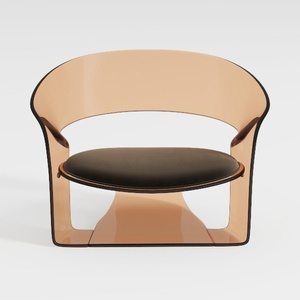
Modern Minimalist Acrylic Leather Accent Armchair 3D Model
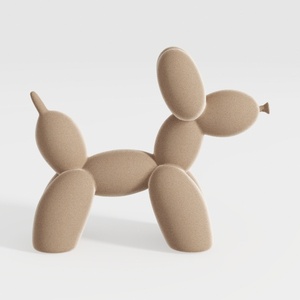
Minimalist Flocked Balloon Dog Decorative Sculpture 3D Model
Transform your home design dreams into reality with Homestyler! This user-friendly platform offers an intuitive online design tool, stunning 3D renderings, and an array of inspiring design projects. Plus, its DIY video tutorials make it easy to get started—perfect for both beginners and seasoned designers!
Projete agora para LIVRE
































