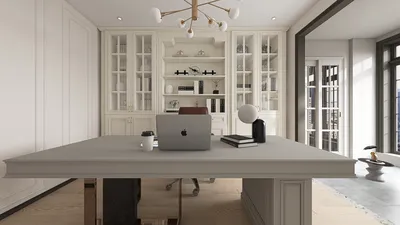


Treating compact basements with the same care as precision instruments, I ensure that every inch is utilized effectively. Each design decision should enhance comfort, functionality, and longevity, focusing on improving the quality of life rather than merely making the space appear larger. The most successful small basements, in my experience, integrate a well-thought-out layout, high-quality lighting, thoughtfully selected materials, and acoustic considerations that create a soothing rather than claustrophobic atmosphere. By utilizing tools like Homestyler, these design principles can be visualized and implemented seamlessly.
Research supports these approaches. The WELL v2 guidelines suggest that ambient lighting should range from 150–300 lux, with task areas requiring up to 500 lux, all while minimizing glare with proper shielding and diffusers. Studies from Steelcase highlight that having multiple layers of lighting and the ability to control light intensity enhances comfort and task performance, particularly in environments with lower ceilings and limited natural light. To make informed spatial choices, I assess lux levels, confirm ceiling heights, and plan reflectance values; well-designed basements benefit from soft ambient light, targeted task lighting, and surface selections that enhance light distribution without glare. Additionally, the IES lighting guidelines provide recommendations for appropriate task lighting levels, ensuring optimal visual clarity in compact workspaces.
Basements often serve diverse purposes—combining areas for laundry, storage, exercise, play, and work. The flow of the space must be purposefully choreographed. I maintain circulation widths of 30–36 inches for comfort and organization, favoring vertical storage solutions along walls and creating clearly defined micro-zones that keep pathways open. Using a room layout tool like Homestyler allows for efficient visualization of furniture placement and circulation patterns, empowering smart design decisions before making any purchases.
Begin with the Envelope
The project should always start with the envelope: its height, moisture control, temperature regulation, and soundproofing. Small basements can quickly become oppressively humid if moisture levels exceed 50-60%. Therefore, it’s essential to implement perimeter drainage, vapor barriers, and dehumidifiers right from the start. Selecting durable, low-VOC materials capable of withstanding temperature fluctuations, such as mineral wool insulation for sound and thermal stability, as well as closed-cell foam in challenging spots, is crucial. My objective is to achieve a Noise Reduction Coefficient (NRC) of over 0.7 on specific wall and ceiling panels within media or work areas to minimize echoes in these small spaces.
Emphasizing Layered Lighting for Limited Heights
For basements with low ceilings, excessive use of recessed fixtures can be unappealing. I prefer the warmth of indirect cove lighting, low-profile surface lights, and wall washers to create height perception. Task lighting from features like swing arms or under-shelf LEDs can render bright, shadow-free areas for activities like reading or sorting laundry. Maintaining color temperature between 3000 and 3500K strikes a warm-neutral balance, while high Color Rendering Index (CRI) ratings of 90+ ensure accurate color perception in smaller areas with nearby finishes and objects. Incorporating dimmers and distinct lighting zones promotes comfort, particularly essential in environments with restricted ceiling height.
Creating Visual Harmony with Color and Reflectance
Color psychology transcends simple aesthetic choices—it becomes a vital behavioral tool. In smaller basements, using mid-tone neutrals with matte finishes minimizes glare and fosters tranquility. Darker colors should be reserved for corners or niches to instill a sense of depth. Striving for balanced reflectance ratios, I suggest keeping ceilings around 80–85%, walls between 50–70%, and floors at 20–40%. This approach enhances comfort transitions and boosts perceived luminosity without over-bleaching the space. Accent colors should be strategically chosen—invigorating in fitness zones yet subdued in areas designated for reading or focus.
Invisible Storage Solutions
Eliminating visual clutter caused by horizontal storage is essential. I rely on vertical solutions like 12–16 inch deep built-ins, tall cabinets with pocket doors, and lift-up benches. For multifunctional spaces, maintaining a cohesive visual language in storage fronts creates an architectural feel rather than a cluttered one. Utilizing hooks, rails, and peg systems allows for adaptive yet shallow storage that supports daily routines without overwhelming the space.
Embracing Flexibility with Furniture and Micro-Zones
In compact basements, modular furniture is key to versatility. Consider using nesting tables, wall-mounted desks, Murphy beds, or ottomans with built-in storage. Define micro-zones—such as work, play, and lounge areas—through the careful use of rugs, lighting variations, and ceiling features, avoiding heavy partitions. When doorways are necessary, opt for pocket or sliding doors to conserve circulation space. Ensuring furniture depth is modest helps maintain clear pathways.
Achieving Acoustic Comfort with Minimal Bulk
Small areas can readily amplify noise. To mitigate this, I include a mix of materials that absorb and diffuse sound: area rugs, soft furnishings, perforated panels, and bookshelves that disrupt medium to high frequencies. For media zones, it’s important to separate subwoofers from flooring using pads and consider bass traps in vertical corners if high-quality audio is prioritized. A thoughtful acoustic profile can make even the tiniest spaces feel expansive.
Selecting Basement-Appropriate Materials
Opt for materials that are moisture-resistant and low-maintenance. I recommend luxury vinyl plank (LVP) or rubber flooring in unpredictable environments, while porcelain tile is ideal for utility areas. Use mildew-resistant paints and closed-cell foam gaskets at sill plates to ensure a healthier living space. Maintaining low VOC levels is crucial for air quality, as adhesives and sealants are just as important as visible surface materials.
Implementing Smart Ventilation and Temperature Control
Effective airflow is essential for comfort. Enhance existing HVAC systems with dedicated return and supply vents appropriately sized for the basement's design. If ceiling heights are limited, opting for slim ducted systems or well-positioned mini-split units can regain balance. Zonal temperature controls help avoid over-conditioning spaces; coupling humidity management with targeted airflow creates an inviting environment that feels more spacious than its actual size.
The Role of Light, Mirrors, and Sightlines
Mirrors should be used thoughtfully and strategically—placing them opposite light sources or along elongated walls can help expand sightlines. Glazing interior walls or adding transoms above doors facilitates light sharing between areas. It's important to maintain clean and elongated sightlines by positioning larger elements against short walls and lighter, vertical elements on long walls to achieve balanced proportions.
Designing Functional Work Corners
For effective work corners in limited spaces, adhering to ergonomic principles is vital. The height of chairs should support neutral hip angles, while desk heights should allow forearms to remain parallel to the floor. Task lighting needs to be positioned at around 500 lux without causing glare, according to IES guidelines. Minimal cable management and under-desk storage are necessary to avoid visual clutter, which can detract from the aesthetic. If exploring arrangement options, utilizing a layout planner like Homestyler can easily identify potential issues before final decisions are made.
Creating Family-Friendly Zones in Small Basements
Shared family areas should incorporate durable finishes and soft edges. Using wall-mounted storage for games, machine-washable slipcovers, and adaptable ottomans creates flexibility within the space. Limiting the number of large furniture pieces ensures circulation remains unobstructed. Layering general dimmable lighting with focused light sources for activities allows the space to transition smoothly from a calm environment to a lively one without requiring extensive reorganizing.
Compact Fitness Areas Without Clutter
To keep fitness equipment from overwhelming the space, prioritize compact items: resistance bands, adjustable weights, a foldable bench, and a wall-mounted mirror can fulfill many workout needs. Using rubber flooring tiles will protect the slab while reducing noise upon impact. Ensure adequate ventilation and bright-neutral lighting, supplementing with warm accent lighting for recovery areas.
Crafting and Hobby Spots
Successful crafting relies on clear task organization and efficient storage solutions. Implementing pegboards with integrated LED lighting, shallow drawers, and labeled bins enhances workflow. Positioning cutting mats and tools within easy reach while maintaining a clear workspace is crucial. A small sink with splash-resistant surfaces nearby increases functionality significantly.
Sustainable Practices Without Sacrificing Quality
Making sustainable choices in basement design leads to long-term payoffs through added durability. I advocate for recycled-content acoustic panels, FSC-certified plywood for custom builds, and LED lights with extended lifespans. Proper insulation and air-sealing reduce energy expenses while ensuring comfort, thus preserving that desirable sense of ease prevalent in smaller spaces.
Adhering to Design Ratios and Visual Flow
It’s important to maintain visual rhythm to keep the space from feeling disjointed. By repeating line weights and shapes—whether in cabinet details, shelf designs, or trim profiles—which creates fluidity for the eye. Establishing a dominant axis is essential; break it occasionally with an accent wall or niche, always keeping in mind that proportions matter more than mere size in constrained environments.
Avoiding Common Design Mistakes
Be cautious of oversized furniture pieces, low-CRI lighting, and inconsistent storage finishes that can disrupt visual flow. Steer clear of glossy paints that increase glare and prevent excessive partitioning; allow lighting and quality materials to define areas. Remember to keep cables, vents, and utility elements discreetly integrated to minimize visual disruption.
Frequently Asked Questions
For ambient lighting, the recommended range is approximately 150–300 lux, while task areas should aim for 300–500 lux. This standard aligns with the guidelines set by WELL v2 Light and general IES task recommendations to help limit eye fatigue in spaces that have low ceilings.
A color temperature between 3000 and 3500K provides a warm-neutral atmosphere that invites without dulling task clarity. Achieving a high CRI (90+) is essential for accurate color reproduction in smaller rooms.
To manage sound, incorporating a blend of rugs, upholstered furniture, perforated acoustic panels (NRC ~0.7+), and bookshelves for diffusion is effective. Addressing corners is crucial if the space is intended for media or music activities.
Focus on creating vertical and shallow storage (12-16 inches deep) with cohesive fronts. Using pocket doors and lift-up benches helps avoid tradesman conflicts in tight circulation areas.
Utilize varying lighting scenes and rugs to define micro-zones, ensuring circulation widths of 30-36 inches. Consider testing arrangements with a layout simulation tool to identify potential conflicts in design.
I recommend materials like LVP, rubber, and porcelain tile, which tolerate humidity fluctuations well. Pair these with effective dehumidification measures and adequate vapor barriers to safeguard the structural envelope's integrity.
Certainly—adopting ergonomic furniture, managing glare in task lighting at approximately 500 lux, and incorporating wall-mounted storage can maximize leg space. Keeping cable management tidy is vital to avoid visual disorder.
Employ indirect lighting, wall washing, and vertical design elements to enhance light quality. Maintain a high ceiling reflectance (~80–85%) and refrain from heavy crown molding that may reduce the perceived height of the area.
Utilizing adjustable dumbbells, resistance bands, a foldable bench, and rubber flooring tiles can cater to various workouts. Including a mirror and ensuring robust ventilation completes this fitness setup.
Incorporating matte or low-sheen finishes helps diminish specular highlights and creates a more serene atmosphere in small rooms. It’s also advisable to use mildew-resistant formulations specifically designed for basement environments.
Research from Steelcase indicates that the use of layered lighting significantly enhances comfort, while the WELL v2 guidelines present foundational understanding regarding illuminance and glare reduction. For more insights, explore resources offered by Steelcase Research and WELL v2.

ODK 54 Inch Computer Desk Home Office Desk, Gaming

Rustic Rectangular Coffee Table, 44.8 Inch
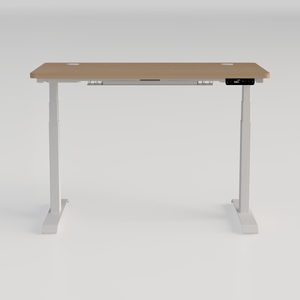
FLEXISPOT EN1 One-Piece Standing Desk, 48 x 30
Homestyler is your go-to online home design platform! With its user-friendly design tool, stunning 3D renderings, and a wealth of DIY video tutorials, you can effortlessly transform your ideas into reality and explore endless design possibilities. Ignite your creativity today!
Zaprojektuj teraz za darmo
































