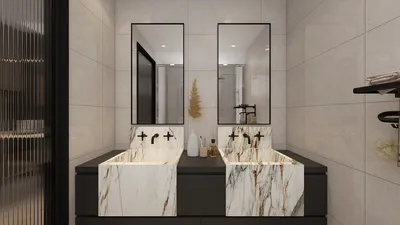


Once, a client envisioned a kitchen reminiscent of a temple: minimalistic yet warm, while still accommodating her extensive wok collection — all within a modest 6 square meters. Initially, I contemplated designing a wall of unused cabinets until inspiration struck from an old restaurant in Black River Falls: creating a workflow similar to a river's course. This approach preserved the integrity of the project and revealed how even the tiniest kitchens can radiate space and character.
1. Linear ‘River Flow’ Layout
To optimize small kitchens, I typically arrange spaces to follow a straightforward workflow: preparation → cooking → cleaning, akin to a river's flow. For Asian cuisine, which often relies on woks, steamers, and quick stir-fries, this linear setup ensures easy access and efficient ventilation. The main benefit is its simplicity and speed, though storage can be tricky. I recommend utilizing tall vertical pull-outs and magnetic wall racks to solve this issue, enhancing the space’s functionality— Homestyler can assist in visualizing these layouts effectively.
save pin
2. Vertical Storage with Open Shelving
In a recent compact renovation, I utilized light, open shelves above a low counter, complemented by brass hooks for hanging ladles and bamboo steamers. This design promotes airiness and visibility for frequently used tools. However, it does require regular dusting, so it's essential for busy cooks to maintain tidiness. The combination of visual warmth and accessibility makes it a worthwhile investment for those who engage in constant cooking, and exploring options like Homestyler can aid in the planning stage.
save pin
3. Integrated Ventilation and High-Heat Zones
Effective ventilation is essential in Asian kitchens. I prefer to incorporate a slim, high-CFM exhaust hood directly over the wok area, paired with heat-resistant tiles in the background. This setup minimizes grease buildup and prevents odors from spreading into living spaces. While the initial investment may be higher, it ultimately saves on future maintenance costs, ensuring a fresher environment for meal preparation.
save pin
4. Multi-Function Counters and Pull-Out Surfaces
In scenarios where floor space is limited, I aim to design counters that can expand. Features like pull-out chopping boards, flip-up prep wings, and sliding surfaces that tuck away when not in use are ideal. For instance, in a project located in Black River Falls, a pull-out board effectively transformed into a breakfast bar as well as a prep area for rice and dumpling making. It's crucial to use sturdy hardware — opting for cheap options can lead to instability, so it’s wise to invest in quality materials. Utilizing tools like Homestyler can help visualize these multifunctional elements.
save pin
5. Palette: Dark Accents with Natural Textures
I enjoy combining a rich matte black backsplash or cabinet base with warm wooden tones and woven rattan baskets; this combination represents an homage to Asian design while maintaining a contemporary feel. While black effectively hides stains and adds contrast, it tends to showcase dust and scratches more prominently, necessitating a balance with easy-to-clean materials and ample task lighting. Homestyler can help in visualizing these color combinations effectively.
save pin
Tips 1:
To translate these concepts into 3D layouts and quickly test different arrangements, I often draft a simple floor plan followed by a rendering to verify sightlines and lighting. A solid floor plan is vital in avoiding design mistakes, such as the “temple wall” concept that I nearly fell into. Using an online design tool, such as Homestyler, can greatly expedite the iteration process and help visualize the river-like workflow in compact kitchens.
save pin
FAQ
Q1: What layout is ideal for a small Asian kitchen? A: A linear or galley layout that emphasizes a clear workflow for prep, cooking, and cleaning generally yields the best results, enhancing efficiency and ventilation in restricted spaces.
Q2: How can I manage strong cooking odors? A: Install a high-performance range hood directly over the wok area and choose low-maintenance backsplash materials to minimize lingering smells and grease.
Q3: Are open shelves practical in kitchens with high steam levels? A: They can be useful with a commitment to occasional maintenance; utilize durable materials and position steam-sensitive items higher up to avoid direct exposure.
Q4: Will dark cabinetry make a small kitchen appear more cramped? A: Dark hues introduce depth and character; complement them with warm wood accents or brighter countertops along with ample task lighting to maintain an open feel.
Q5: What budget should I allocate for ventilation systems? A: Expect to invest more than you would on conventional hoods; a quality ventilation system protects cabinetry and improves indoor air quality — consider it essential for heavy cooking activities. For detailed standards, refer to the EPA ventilation recommendations (https://www.epa.gov).
Q6: What is a quick method to enhance storage in tiny kitchens? A: Incorporate vertical pull-outs and magnetic strips for knives and metal utensils; these options free up counter space and utilize wall areas effectively.
Q7: How can I create a multifunctional counter space? A: Prioritize durable hardware and establish weight limits; it's advisable to test sample panels prior to final installation to ensure durability and smooth functionality.
Q8: Where can I quickly create floor plans and 3D renders? A: Various online tools allow for drafting and rendering layouts, enabling you to evaluate flow and visibility before starting construction — this approach can help prevent unexpected challenges during the build-out.
save pin
Homestyler is your go-to online home design platform! Experience its user-friendly design tools and stunning 3D renderings, along with a wealth of inspiring design projects and DIY video tutorials. Transform your vision into reality effortlessly and creatively—perfect for every design enthusiast!
Desain sekarang Gratis
































