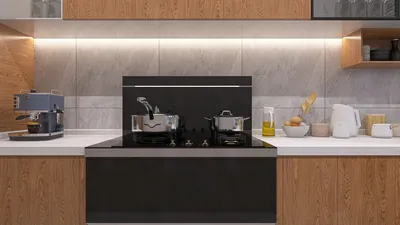


Creating a compact apartment space involves precision and thoughtful planning. The objective is to integrate clarity, comfort, and flexibility into the design so that every square foot is utilized effectively. Research shows that the layout of a workspace influences productivity; similarly, a well-structured home environment aids in streamlining daily activities by establishing clear pathways and designated task zones. Proper illumination also plays a pivotal role: adhering to the IES recommendation of 300–500 lux for living areas can facilitate reading and social interactions while minimizing glare, thus making layered lighting an essential element in small spaces.
The psychological effects of color cannot be overlooked. According to Verywell Mind, shades of blue and green promote relaxation and enhance concentration, while warm neutral tones contribute to a sense of comfort without making the space feel confined. Daylight access is crucial for mental health, as emphasized by WELL v2; apartments that benefit from abundant natural light tend to improve mood and sleep quality, especially when combined with low-glare window coverings and adjustable artificial lighting solutions. For optimal ergonomic comfort, surfaces for seated tasks should typically be between 28 and 30 inches, ensuring adequate knee space to prevent discomfort.
Effective Zoning in Tight Spaces
To begin, I outline three distinct micro-zones: focus, social, and restorative areas. In a studio apartment, a narrow shelving unit or semi-transparent partition can help demarcate a sleeping area while still allowing light to permeate. It's essential to maintain a clearance of 30–36 inches in key circulation paths to promote freedom of movement. While arranging the space, I utilize a room layout tool like Homestyler to visualize the flow of traffic, sunlight angles, and TV viewing positions before making final decisions.
Layered Lighting Solutions to Enhance Perception of Space
Transforming a compact room to feel more expansive relies on effective light distribution. My lighting strategy consists of: (1) diffuse ambient lighting achieving 300–500 lux in primary living areas, (2) task lighting exceeding 500 lux for activities like reading or cooking, and (3) accent lighting that illuminates vertical surfaces—this conscious lighting design extends the perceived boundaries of the room. In bedrooms, opt for lamps with a warm color temperature of 2700–3000K to foster relaxation, ensuring that glare remains below eye level with appropriately shaded fixtures. Dimmers allow for mood regulation and energy efficiency.
Color, Texture, and Cohesion in Design
Soft, neutral wall colors can visually elevate ceilings, while an accent wall in a mid-tone can add dimension without making the space feel crowded. Use a rhythm in your design by repeating materials or color accents in controlled amounts (such as oak, matte black, light linen) to create a sense of continuity. Reflective finishes on cabinetry or backsplashes can enhance light distribution throughout the area. Textiles should introduce texture without overwhelming the space—flat-weave rugs, linen drapes, and lightly textured upholstery can maintain a soothing color palette. Cooler colors in areas of focus can aid concentration, while warmer tones in social zones encourage interaction.
Functional Furniture for Optimized Living
Versatile furniture is essential for compact living environments. For instance, a lift-top coffee table can serve as both a workspace and a surface for beverages, while nesting tables can be stowed away when not needed. Selecting a sofa with elevated legs enhances visual openness by revealing more floor area. In dining areas, a drop-leaf table can be conveniently pressed against the wall to conserve space while still being available for entertaining guests. To maximize storage, consider vertical solutions: tall wardrobes with adjustable shelving and shallow wall cabinets in the kitchen can reclaim essential cubic footage without compromising headspace.
Design Strategies for Studio and One-Bedroom Apartments
When arranging a studio apartment, position the bed away from windows to minimize glare and temperature changes, using a console table behind the sofa for clear separation between living and sleeping spaces. A swivel-mounted television can serve both the bed and the sofa, eliminating the need for duplicate equipment. In one-bedroom layouts, flip the traditional design: place the dining area by the window to harness natural light, move the desk into a quiet alcove, and incorporate a sliding door to save space during usage. I often employ an interior layout planner, like Homestyler, to prototype these arrangements to assess reach, visibility, and furniture spacing pre-purchase.
Storage Solutions: Clever, Vertical, and Adaptable
Consider a layered approach to storage. Utilize under-bed drawers with soft-close features to keep bulkier items hidden. Shelves above door frames can take advantage of otherwise wasted vertical space. In kitchens, a hanging rail system for utensils and spices can free up counter areas and cut down on visual clutter. Entryways can benefit from utilizing a narrow bench with hooks and an overhead cabinet to organize daily essentials. Modular cubes can be stacked to create adaptable media walls or clothing storage that can shift with changing needs.
Sound Insulation in Smaller Residences
Sound can reverberate in small apartments, which can be mitigated with soft, sound-absorbing materials: think fabric roman shades, padded seating, and area rugs with underlays to dampen footsteps. Bookshelves and textured panels on shared walls can disrupt sound reflections. Sealing door edges and using solid-core doors when possible helps contain noise. In open studios, a floor-to-ceiling curtain can serve as both a spatial divider and contribute to sound dampening for phone conversations or focused tasks.
Consider Human Behavior and Practicality
Design should reflect daily habits. If cooking is a regular activity, ensure a clear aisle of 40–48 inches along with task lighting at 500+ lux above the cooking area. For remote workers, a designated workspace with a 20–24 inch deep desk and supportive task lighting is crucial—research from Herman Miller establishes a connection between ergonomic seating and reduced discomfort during extended periods of use. Keeping frequently used objects within 20–24 inches prevents unnecessary strain from repetitive movements.
Material Choice and Eco-Friendly Options
Select materials with longevity and ease of upkeep in mind: high-pressure laminate for cabinets, semi-gloss paints for traffic areas, and durable surfaces like quartz or compact materials for countertops are stain-resistant. Low-VOC finishes can enhance indoor air quality. When budget permits, prioritize FSC-certified wood and textiles made from recycled content. Light-colored flooring with subtle textures can disguise wear while visually expanding the space; avoid busy patterns that can make the room feel smaller.
Small Upgrades with Significant Effects
Targeted renovations can yield substantial benefits. Replacing a traditional swinging door with a pocket or sliding door can free up 10–12 square feet of space. Install wall-washing fixtures to brighten vertically-oriented surfaces. Positioning a mirrored panel across from a window can enhance the natural light flow but avoid placing it directly opposite the bed to minimize sleep disturbances. In kitchens, consider transitioning from open shelves to compact, closed cabinets to create a cleaner visual environment while using integrated pulls to maintain sleek lines.
Proportionate Styling in Design
Be intentional with decor selection. Group accessories in odd numbers and clustered arrangements to maintain cohesion and avoid a cluttered appearance. Large artwork can also be effective—one impactful piece above the sofa is preferable to a series of smaller frames that can fragment the wall space. Upright plants like fiddle leaf figs or snake plants can contribute height without spreading out too much. Limit your material choices to two or three dominant options and a cohesive color palette to minimize visual clutter.
Expert Resources for Further Exploration
For an in-depth examination of evidence-based design practices, investigate Gensler Research for insights that can be translated into home planning, as well as IES standards which provide valuable lighting principles to help small areas feel lighter and more inviting.
Frequently Asked Questions
Aim to achieve an ambient light level of 300–500 lux as per IES recommendations, supplementing with task lighting at 500+ lux for reading or hobbies and utilizing dimmers to adjust according to the time of day.
Utilize soft neutrals such as warm whites, sand, and light grays for walls while incorporating slightly deeper accents to add dimension without overwhelming the space. Blues and greens are ideal for promoting tranquility and focus, according to color psychology studies.
Partitioning space with low bookshelves, see-through dividers, or expansive curtains extending from ceiling to floor can define areas while maintaining light and airflow.
Consider furniture like nesting tables, lift-top coffee tables, storage benches, and drop-leaf dining tables. Opt for sofas with elevated legs to preserve an airy appearance on the floor.
Introduce sound-dampening materials through area rugs that include underlays, upholstered furniture, fabric shades, and well-placed bookshelves. Ensure doors are sealed well and investigate solid-core options when feasible.
Establish a workspace equipped with a desk depth of 20–24 inches, external task lighting, and a chair that provides lumbar support. Keep items you frequently use within arm’s reach to minimize strain from repetitive actions.
Implement vertical storage ideas, such as above-door shelving, tall closets, modular cubes, and under-bed drawers. Choose shallow, closed cabinets for kitchens to streamline visual order.
Substitute swing doors with sliding or pocket door alternatives to reclaim space, while incorporating wall-washing light fixtures to broaden the visual perception of width in the room.
For bedrooms, use warm lighting in the range of 2700–3000K to encourage relaxation. In living areas, blending 3000–3500K light for comfort with higher output task lights where necessary is crucial.
Absolutely. A single large artwork piece can serve as a focal point and create a more cohesive look compared to multiple smaller frames that can disrupt visual flow.
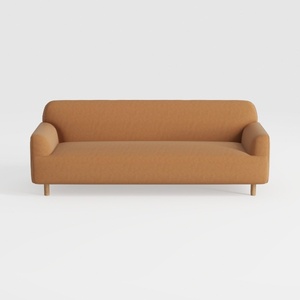
Minimalist Fabric Wooden Legs Sofa 3D Model

Minimalist Solid Wood Linen Armchair with Throw Pillow 3D Model
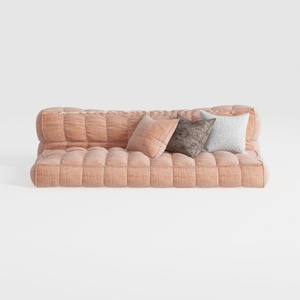

Minimalist Blush Fabric Tufted Contemporary Sofa 3D Model
Homestyler is your go-to platform for transforming your home design dreams into reality. Enjoy its easy-to-use online design tool, explore stunning 3D renderings, and get inspired by a plethora of design projects and DIY video tutorials. Start your creative journey today!
Design Now for FREE
































