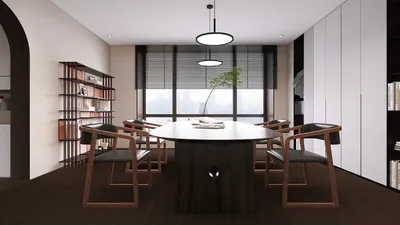


Maximizing Seating in Compact Living Rooms
Optimizing seating in a small living space is most effective when combining space-saving chairs, thoughtful furniture arrangement, and maintaining open visual pathways. The objective isn't to crowd the room with extra pieces, but to select and position furniture so movement stays unobstructed. Typically, incorporating two slender accent chairs alongside a sofa can boost seating capacity by 40–60% without making the area feel congested.
Key Takeaways
Overview
A frequent inquiry I receive involves how to expand seating options in small living rooms without sacrificing spaciousness. After completing numerous apartment remodels and designing compact layouts, a common misconception emerges: more furniture is the solution.
Successful small living room seating arrangements depend on the scale of furniture, placement, and maintaining a visual balance. A properly planned four-seat setup can feel roomy, whereas an ill-organized three-seat layout may feel tight.
Before physically moving pieces, I suggest creating a digital room plan. Utilizing software like Homestyler to visualize furniture placement beforehand often uncovers underused corners or path blockages that aren't obvious otherwise.
This guide shares practical methods I apply in real-world projects—from choosing compact accent chairs to layout techniques that subtly increase seating while preserving a serene atmosphere.
Understanding Seating Capacity in Small Living Rooms
Insight: Most small living rooms can comfortably accommodate four to five seats if circulation routes remain clear.
Often, people underestimate the seating potential of a space. The primary limiting factor isn't square footage but maintaining unobstructed walkways.
In design practice, I adhere to a simple principle:
When adequate space is maintained, even a 10 by 12-foot living room can comfortably include:
Interior design professionals call this seating pattern the “conversation square,” which evenly distributes seats rather than cramming furniture against walls.
The American Society of Interior Designers highlights that open circulation paths significantly affect how spacious a room feels. Clear walkways make the brain perceive the area as more expansive.
Selecting Space-Saving Accent Chairs
Insight: Incorrect chair sizes are a quick way to overcrowd small living rooms.
Many choose chairs crafted for large suburban homes, but in smaller apartments, bulky arms and deep cushions consume valuable floor space.
For space-saving accent chairs ideal for smaller rooms, I generally recommend these features:
Chairs with slightly raised legs visually reveal more flooring, lending a sense of openness.
Examples of reliable small-space chairs include:
Furniture manufacturers are increasingly creating apartment-friendly designs as urban homes shrink. According to the National Association of Home Builders, average apartment sizes have diminished in the past decade, driving demand for compact seating solutions.
Optimizing Corner and Floating Chair Arrangements
Insight: Positioning chairs in corners or floating them in the room can add seats without making the space appear cramped.
A frequent error is pushing every chair flush against walls, which ironically can create uncomfortable empty zones in the room’s center.
Two layout styles that consistently succeed are:
Corner Seating Arrangement
This triangular layout softens spatial edges and enhances conversational flow.
Floating Chair Layout
Floating chairs often impart intentionality and reduce visual clutter in a room.
Testing these configurations using visualization platforms like Homestyler before rearranging furniture helps identify circulation issues and avoids trial-and-error frustrations.
Combining Chairs and Sofas for Optimal Flow
Insight: Mixing sofa seating with individual chairs creates flexible arrangements without overcrowding.
Many compact living rooms feature a single large sofa, which, while comfortable, limits versatility and cuts off potential seating zones.
The most dependable seating combination I deploy is:
This balance works because chairs are easier to move when guests arrive and visually break up bulky furniture spans.
Additionally, positioning chairs slightly ahead of the sofa line adds depth and moves away from the typical “all furniture against walls” feel.
Minimalist Black and White Seating Approaches
Insight: Restricting colors to a minimal palette helps maintain calm and perceived spaciousness even with increased seating.
Color schemes profoundly impact how cramped a room appears. Overly busy patterns or too many hues divide visual focus, making space feel smaller.
A black-and-white minimalist theme is particularly advantageous in small seating areas because:
For example:
This strategy anchors the seating grouping while preserving an airy look.
Final Advice
To maximize seating in a small living room, pairing a compact sofa with two slender accent chairs and keeping walkways open is most effective. Prioritizing furniture scale and thoughtful placement outweighs simply adding pieces.
Summary
For those looking to preview these seating schemes in their home, 3D room planning tools like Homestyler can dramatically simplify design decisions by offering realistic layout previews before purchasing furniture.
Frequently Asked Questions
How many chairs comfortably fit a small living room?
Typically, two accent chairs alongside a sofa fit most small living rooms while maintaining open paths.
What chair types suit small living rooms best?
Slipper chairs, armless lounge chairs, and compact Scandinavian designs are ideal for their smaller footprints.
What is the best way to increase seating in a small living room?
Opt for a compact sofa, two slender accent chairs, and keep at least 30 inches of clear pathway around furniture.
Are armless chairs preferable for tight spaces?
Yes. They reduce visual bulk and allow closer seating group arrangements.
Should chairs be placed directly against walls?
Not necessarily. Floating chairs often create better balance and encourage conversation flow.
What seating layout works best for apartments?
A sofa combined with two lightweight accent chairs offers the most adaptable setup.
Do light colors make small living rooms appear larger?
Indeed, lighter or neutral tones reflect light and visually expand the area.
What size furniture is ideal for small living rooms?
Furniture designed for apartments typically measures under 84 inches in width for sofas and less than 34 inches in depth for chairs.
References
What began as an Autodesk innovation has evolved into a design platform used by more than 18 million people around the globe. Homestyler combines powerful rendering, an intuitive editor, and a vast furniture library to help you turn inspiration into photorealistic designs — whether you're redesigning a single room or planning an entire home.


Modern Marble Top Black Metal Leg Coffee Table 3D Model

Minimalist White Metal Wood Storage Basket 3D Model
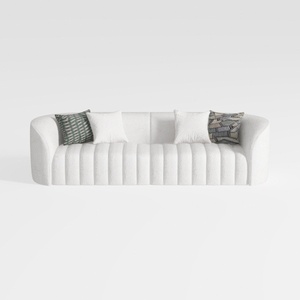
Minimalist Boucle Fabric Channel Tufted Sofa 3D Model
Homestyler offers an easy-to-use online design tool, stunning 3D renderings, and plenty of interior design projects to inspire you. With helpful DIY video tutorials, it’s perfect for turning your home design ideas into reality quickly and effortlessly.
Concevez maintenant gratuitement
































