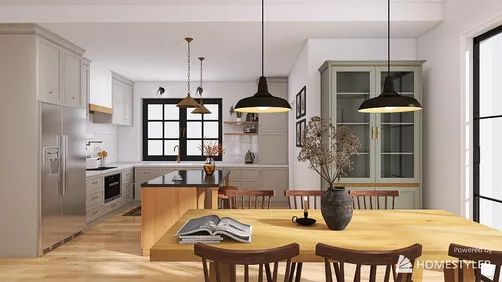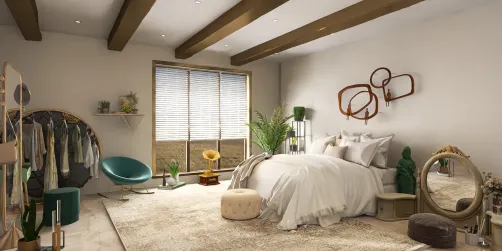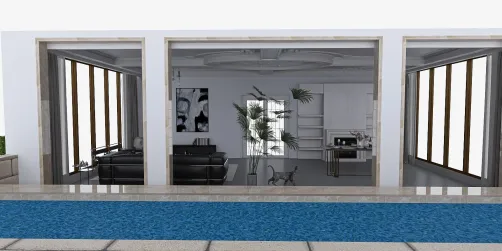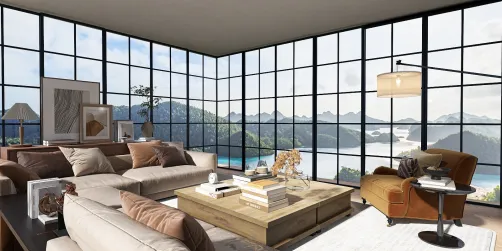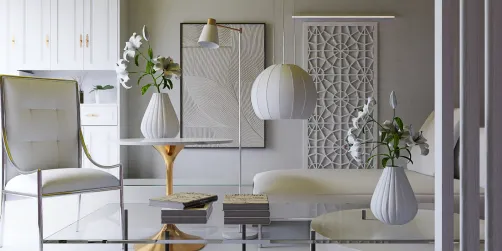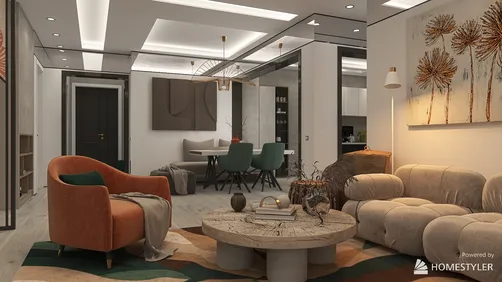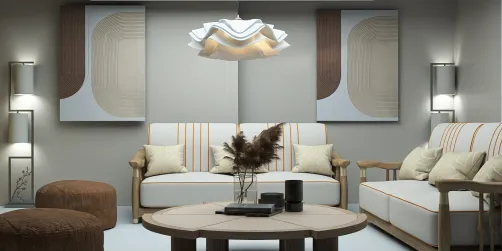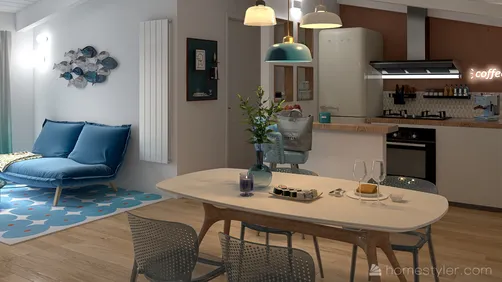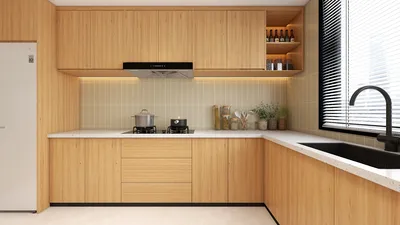



Transforming small rooms into productive study areas is entirely feasible when you optimize the table, layout, and lighting. My designs showcase that the best configurations harmonize multifunctional furniture with ergonomic precision and soft, glare-free lighting, creating a serene and organized atmosphere that enhances productivity rather than feeling confined.
Research supports this approach. Studies conducted by Gensler highlight that environments tailored for focused work benefit significantly from managed noise levels and appropriate furnishings. The 2023 U.S. Workplace Survey reinforces this, indicating that users prioritize spaces that promote good posture and visual comfort. The WELL Building Standard (WELL v2) emphasizes the importance of lighting and ergonomic design, calling for sufficient illumination in work areas and adjustable furniture that encourages neutral postures. For more insights, check out the WELL guidelines on lighting and ergonomics at wellcertified.com.
The quality of light is as crucial as the layout in a small study room. The Illuminating Engineering Society (IES) advises that task illuminance should fall within the 300-500 lux range for reading and writing, with higher levels for meticulous tasks. A color temperature between 3000-4000K promotes a warm-focus atmosphere, and using a high-CRI task lamp can minimize eye strain, essential for those working with printed materials or color-dependent tasks. Be sure to position the lamp opposite your writing hand to minimize shadows.
Optimizing Space for Study Tables
Effective space planning begins with a solid strategy. In small rooms, I prefer wall-mounted desks or compact corner L-shaped tables to maintain traffic flow. During sessions that require rapid feedback from clients, I often utilize a basic interior layout planner to draft options, subsequently refining with a room design visualization tool to assess clearances. If experimenting with different layouts, tools like a room layout planner can facilitate validating legroom, reach zones, and chair mobility with ease: room layout tool.
Floating desks help free up floor space while maintaining a light, airy feel compared to traditional casegoods. A depth of 16-20 inches (40-50 cm) is suitable for laptops and note-taking, while 24 inches (60 cm) accommodates a monitor and keyboard at the proper viewing distance. Incorporating a cable trough underneath and a flush power grommet keeps surfaces unencumbered. Ensure stability by anchoring to wall studs and employing concealed brackets rated for the anticipated load.
These designs are perfect for multipurpose spaces. The foldable panel reveals a workspace alongside shallow shelves for storage. Target a height of 26-30 inches (66-76 cm) when in use, specifying soft-close hinges to protect surfaces. A matte laminate or wood veneer will help to minimize glare and fingerprint marks.
In rooms that double as guest quarters, a console with a 14-18 inch (35-46 cm) depth can extend to 24 inches for focused work. Position taller storage on one side to maintain horizontal sightlines, enhancing the perception of space.
Corners are often overlooked. A compact L-shaped desk (with one section measuring 40-48 inches and the other 24-30 inches) can create a primary workspace while providing additional area for a printer or sketch pad. Position the monitor on the longer leg and ensure the return is shallow to prevent knee clashes. Corner setups also permit seating orientation that reduces glare from windows.
For older structures with deep sills, a custom slab can extend outward to function as a desk. Ensure 24-30 inches of knee clearance under the extension and employ concealed steel angles for support. Incorporating a roller shade (with 3-5% openness) will help manage daylight while preserving screen clarity.
Essential Ergonomics for Compact Study Tables
Prioritizing good ergonomics is essential to prevent fatigue in tight spaces. Aim for a desk height of around 28-30 inches (71-76 cm) for most users, complemented by an adjustable chair that ensures feet rest flat on the floor and elbows are at roughly 90-100 degrees. The top of the monitor should be at or just below eye level, with a viewing distance of 20-28 inches (50-70 cm). Adding a keyboard tray can reclaim desk depth when the surface is shallow. If a sit-stand configuration isn't an option, consider a perching stool with a footrest to alternate postures during prolonged work sessions.
For the chair, opt for a breathable back, lumbar support, and a seat depth allowing for 2-3 fingers of space between the seat edge and the calves. Research from Steelcase and Herman Miller underscores that varying posture and making small movements help maintain focus—therefore, even in compact arrangements, ensure enough clearance (at least 30-36 inches/76-91 cm) behind the chair for repositioning.
Lighting Design: Comprehensive, Glare-Free, and Adjustable
Accumulate ambient light sources (like a ceiling fixture or cove lighting) operating at 150-300 lux alongside a designated task lamp to achieve between 300-500 lux on the work surface. Opt for matte finishes on desks and walls (LRV 40-60) to limit reflected glare. Using 3000-4000K lamps strikes a balance between alertness and comfort; warmer tones promote relaxation, while cooler hues enhance concentration. If screen use is prevalent, consider a desk lamp with a shielded head and a dimmable feature to adjust luminance ratios accordingly.
Understanding Color Psychology for Visual Calm
Color has the potential to influence behavior in smaller areas. Soft neutrals and cool undertones (muted blues and greens) can enhance concentration and mitigate perceived visual clutter. According to established principles of color psychology, vibrant reds can incite energy—hence, I favor using bold hues as small accents to inspire without overwhelming the senses in compact study settings. Pairing colors with textures, such as matte paint, wool felt pinboards, and wood grains, adds warmth without creating visual chaos.
Discreet Storage Solutions
Clutter poses a significant challenge in compact areas. I design storage into vertical spaces: shallow upper cabinets (10-12 inches deep), pegboards, and pinboards. Under-desk drawers should be set back to protect knee room. A mobile pedestal can fit under one leg of an L-shaped desk or be stowed in a closet when not needed. For students, a single labeled inbox is effective in minimizing surface chaos.
Managing Cables and Power Supply
Integrate a desk grommet, an under-mount power strip, and a cable sleeve to neatly route all wiring along the rear edge. Position outlets at or above desk level whenever feasible; reaching behind furniture in confined spaces can lead to disorder. If wall mounting the desk, incorporate a recessed wall box to conceal bulkier adapters.
Sustainable Materials for Durability
Compact solutions need not sacrifice sustainability. Choose FSC-certified wood, low-VOC treatments, and robust laminates with anti-fingerprint properties. For pinboards, utilizing recycled PET felt provides both acoustic insulation and a soft surface for tacking notes. Opt for metal frames featuring powder-coated finishes to enhance longevity. Focus on replaceable parts: a desk that accommodates new tops ensures the base will remain functional longer.
Enhancing Acoustic Comfort in Small Spaces
Limited rooms can amplify sound. Adding soft rugs, lined curtains, and a felt pinboard adjacent to the desk can help absorb noise. If doors are hollow-core, consider replacing them with solid core options or adding weather stripping to lessen household disturbances. Concealing printers within cabinets equipped with proper ventilation can help silence operational sounds.
Design Strategies for Various Room Shapes
Extend a floating desk along the longer wall with a depth of 18-22 inches. Position shelves above eye level to enhance the sense of space. Ensure the chair is oriented with its back to a solid wall for psychological stability.
Centralize a compact desk flanked by symmetrical shelving for a balanced appearance, or nest an L-shaped desk in a corner to open up the floor area. Utilize a low credenza beneath a window instead of tall cabinets to allow daylight to penetrate.
Situate the desk under the higher side of sloped ceilings to maximize headroom, while keeping lower storage options beneath the slope. A focused task lamp counteracts the effect of poorly positioned ceiling fixtures.
Integrating Technology in Micro Workspaces
Employ a singular USB-C dock to minimize cable clutter; a monitor arm can elevate surface space and provide optimal viewing angles. A slim soundbar mounted beneath the monitor will enhance audio quality at lower volumes. For shared spaces, consider a foldable privacy screen and noise-canceling headphones to maintain concentration without needing permanent barriers.
My Preferred Dimensions and Clearances
FAQ
For laptop use and writing, a depth of 16-20 inches is ideal; for monitors and keyboards, aim for 24 inches to ensure proper viewing distance while leaving room for a notepad.
Position the desk perpendicular to windows, use roller shades with 3-5% openness, and select matte finishes. Incorporate a dimmable task lamp with a shielded design to balance illumination effectively.
Absolutely—utilize wall studs alongside high-quality concealed hinges and load-rated support brackets. Maintain a depth of 18-22 inches to minimize leverage and enhance rigidity.
Focus on adjustable seating height, lumbar support, and a compact seat depth. A breathable back ensures comfort without unnecessary bulk. Ensure a clearance of at least 30 inches behind the chair for movement.
Strive for 300-500 lux on the work surface in accordance with IES guidelines. Combining ambient light with a task lamp operating at 3000-4000K will improve functionality.
Utilize upper cabinets with shallow depths (10-12 inches), a mobile pedestal, and a pinboard for vertical organization. Shift under-desk drawers to the side to maintain knee area.
Soft neutrals and cool shades (like muted blues and greens) are conducive to focus. Limit bold colors to small accents to invigorate without causing overwhelm.
If a full sit-stand desk isn't practical, consider a compact riser or perching stool to still offer varied sitting options. Research suggests that changing posture can enhance focus.
Plan for a grommet, under-desk power strip, and cable management sleeve. A single USB-C dock can simplify connections, and mounting a surge protector under the desk is beneficial.
Aim for at least 24 inches in width and 18 inches in depth for knee space, avoiding protruding hardware in the main knee area.
Corner desks maximize surface area in compact layouts and assist in zoning, while straightforward desks appear lighter and can be positioned shallow against a wall. Choose designs based on circulation and natural light considerations.
Consider utilizing a murphy-style desk, a mobile pedestal that can slide away, or a console-to-desk hybrid. Concentrate tall storage on a single wall and rely on layered lighting for adaptability.
What began as an Autodesk innovation has evolved into a design platform used by more than 20+ million registered users (platform data, 2026) around the globe. Homestyler combines powerful rendering, an intuitive editor, and a vast furniture library to help you turn inspiration into photorealistic designs — whether you're redesigning a single room or planning an entire home.
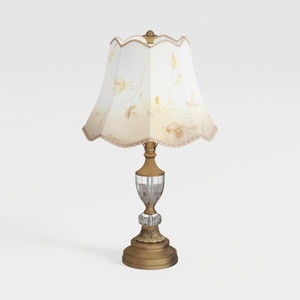
Vintage Brass Crystal Fabric Table Lamp 3D Model

Minimalist Oak Fabric Table Lamp 3D Model

Minimalist Rattan Woven Table Lamp with Metal Accents 3D Model
Homestyler is an incredible online home design platform perfect for anyone looking to enhance their space. With its user-friendly design tool, stunning 3D renderings, and a wealth of inspiring DIY video tutorials, bringing your decorating visions to life has never been easier!
Design Now for FREE






![[14]](https://hs-designs.homestyler.com/production/design/images/2026-09-12/aa817543-bb43-4f3a-9583-2b2473af620f/1789226165872/10757139.jpg?x-oss-process=image/resize,w_502,m_mfit/format,webp)