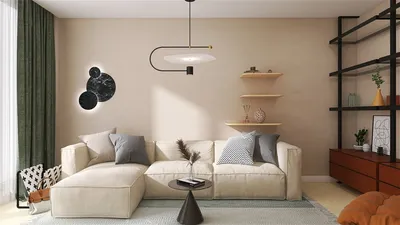


Accurately positioning 3D models in Altium Designer is essential for optimizing your PCB layout workflow and enhancing your overall product design process. 3D models offer a clear representation of how components are expected to fit together, facilitating seamless collaboration between electrical and mechanical teams, thus avoiding expensive last-minute adjustments. To fully leverage 3D models within Altium, it is crucial to adhere to certain best practices. Begin by obtaining trustworthy models from manufacturers or by creating custom models using Altium's built-in tools. It's vital that each 3D model is precisely scaled and aligned with its corresponding footprint; any misalignment can result in layout mistakes or mechanical interference later on. Utilizing the 'Place » 3D Body' feature ensures that models are properly attached to footprints, and always verify their placement in both 2D and 3D perspectives. Assign descriptive names and layer associations for easier management, and make use of step models (.step, .stp) to guarantee compatibility. As a professional in interior design, I see a strong connection between the careful 3D modeling in Altium and effective space planning in residential or commercial environments. Just as the positioning of furniture or fixtures is crucial in a thoughtfully designed area, precise placement of electronic components is essential within a PCB layout. Advanced tools like Altium's 3D view are comparable to sophisticated home design software, enabling users to visualize the finished product before proceeding with fabrication. For those looking to apply the same level of 3D planning accuracy to interior spaces, incorporating technology such as a 3D floor planner can significantly enhance the process of envisioning concepts and layouts.
Best Practices
Always verify the orientation and alignment of models against the PCB footprint prior to finalizing their positioning, and take advantage of collision detection features within Altium to avoid component overlaps. Regularly maintain your model libraries and check compatibility when integrating third-party resources.
Frequently Asked Questions
Q: Why is using manufacturer-supplied 3D models critical in Altium?
A: Models provided by manufacturers are generally precise in dimensions and detail, which helps minimize errors during the final PCB assembly and facilitates smoother integration with mechanical components.
Q: How can I ensure that my 3D model aligns properly with the PCB footprint in Altium?
A: Utilize the 'Place » 3D Body' feature, examine the X, Y, and Z parameters, and confirm alignment in both 2D and 3D views.
Q: Is it possible to import third-party 3D models into Altium?
A: Yes, Altium allows the import of standard formats like .step and .stp, although it is advisable to check the scaling and orientation after the import process.
Q: Does Altium offer automated tools for identifying mechanical conflicts?
A: Yes, Altium provides design rule checks and clearance tools that can identify overlaps or violations, helping you make necessary corrections before finalizing your design.
Q: What advantages does 3D modeling bring to the PCB design process?
A: It enhances visualization, allows for early detection of fit problems, improves collaboration between electrical and mechanical teams, and accelerates the validation of design ideas.
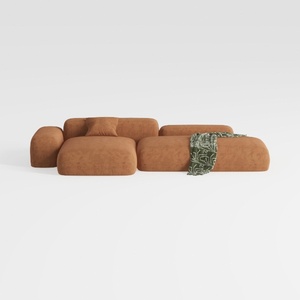
Oversized L-Shaped Sectional Sofa with Ottoman
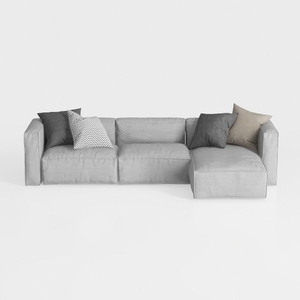
CHITA Sectional Modular Down Filled Coener Sofa
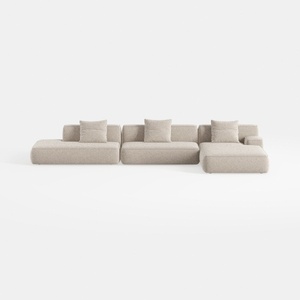
TIMERAGE 104'' Power Recliner Corner Sofa with
If you're looking to transform your home design ideas into reality, look no further than Homestyler! This user-friendly platform offers an intuitive online design tool, stunning 3D renderings, and a wealth of design projects and DIY video tutorials to inspire your creativity. Start designing today!
Design jetzt kostenlos
































