


As I navigate through glass doors in a modern drawing room, they serve not only as a source of light but also as a behavioral indicator. When designed effectively, these doors draw natural light deeper into the space, enhance the flow of movement, and create a sophisticated divide between lively and serene areas. Recent projects in workplace and hospitality environments have demonstrated that well-measured glass doors significantly enhance the sense of space and carefully calibrate privacy while maintaining the room's vibrant atmosphere.
The quality of light should be the primary standard of consideration. The IES suggests achieving around 300–500 lux for living or lounge activities. This standard aligns with our adjustments to light transmittance, glazing finishes, and additional lighting to mitigate glare while ensuring that surfaces are visually comfortable. According to WELL v2, ensuring transparency and access to sunlight plays a pivotal role in visual and mental well-being. To achieve a balanced light environment, integrating glazed doors with sheer fabrics or low-reflectance finishes can help maintain a harmonious contrast within the room. For in-depth guidance on daylighting and comfort metrics, refer to the WELL v2 Light concept and IES standards.
Defining the Contemporary Look
A modern drawing room is characterized by minimal sightlines and sharp geometries. I tend to opt for slim aluminum or steel frames featuring thermal breaks, with matte finishes and a visible frame width of 2.5–3 cm to ensure that the emphasis stays on the breathtaking view. For wooden frames, rift-cut oak or walnut finished with low-sheen oil adds warmth while adhering to modern style. It is crucial to maintain sightline continuity by aligning transom heights with window headers to foster a visual rhythm that feels deliberate.
Levels of Transparency: Clear, Frosted, and Reeded
Transparency acts as a dial for privacy. Clear low-iron glass preserves color accuracy and unobstructed views, making it perfect for drawing rooms overlooking gardens. Frosted or acid-etched panes offer a softer visual effect while allowing daylight to filter through. Reeded or fluted glass lessens visibility and adds a unique texture; its vertical lines can create the illusion of higher ceilings. For households with fluctuating privacy requirements, mixed panels are worth considering—clear upper sections paired with frosted lower portions—allowing for sightlines while reducing clutter visibility.
Different Door Types and Their Impact on Space
Hinged doors maintain traditional thresholds and are suitable for more formal settings where acoustics and rituals hold significance. Pocket sliding doors make more efficient use of floor space by reducing swing conflicts around seating areas. Bifold doors provide a wide opening that breaks down barriers during gatherings, while single-track sliders present a sleek, modern appearance. If you encounter issues with congestion in the room, consider using a room layout planning tool like Homestyler to simulate door movements and clearances before any actual fabrication takes place.
Proportions, Grids, and Harmony
Establishing a consistent module is vital to minimize visual disarray. Typically, a vertical pane ratio of 1:2 or 2:3 feels more balanced within living spaces. For expansive openings, a three-panel slider designed in a 40–20–40 pattern maintains a lightweight feel for the operational leaf while effectively managing visual weight. It’s essential to align mullions with various architectural elements, such as bookcase nooks or central console pieces, to craft a serene rhythm throughout the room.
Lighting Environment: Managing Glare and Color Accuracy
Effective glare management is fundamental in areas featuring glossy art or polished stone materials. Opt for glass with a light reflectance below 12–15% and consider applying a neutral low-E coating to moderate solar gain without altering color accuracy. Maintain an interior color temperature between 2700–3000K for comfort during evening hours; daylight will naturally lean towards cooler tones. Task lighting positioned near conversation zones should aim for an intensity of 300–400 lux, with adjustable dimming options to suit various moods.
Enhancing Acoustic Comfort with Glass
Standard single-glazed doors usually fail to offer substantial acoustic isolation. Transitioning to laminated glass—comprising two 4–5 mm sheets with a PVB interlayer—can significantly enhance sound transmission class (STC) ratings while preserving visual clarity. Proper sealing at the top and bottom can further reduce sound leakage. In areas exposed to significant street noise, combining glass doors with heavy drapery on concealed tracks adds necessary sound-absorbing mass when required.
The Psychology of Color and Material Coordination
Glass inherently reflects surrounding colors; cooler palettes convey clarity, while warmer tones induce intimacy. Soft greens and muted blues adjacent to glazing evoke calmness, whereas earthy neutrals ground the aesthetic. If your drawing room favors warm tones (like oak or brass), select low-iron glass to minimize the green hue. Hardware finishes should resonate with existing metal finishes—brushed nickel for cooler color schemes, aged bronze for added depth—ensuring a cohesive tone while avoiding an overload of various metallics that can lead to visual chaos.
Hardware and Sensory Experience
Handles and tracks serve as essential touchpoints. Solid lever handles with a grip diameter of 30–40 mm fit most hands comfortably, while concealed soft-close mechanisms prevent abrupt closures. Low-profile floor guides help eliminate trip hazards, particularly in rug-laden environments. I prefer magnetic latches for a discreet, precise operation in more formal settings.
Safety, Codes, and Practical Use
For doors, using tempered or laminated safety glass is non-negotiable. In homes with children, laminated glass provides a safer option and enhances acoustic performance. Discreet vision strips or vertical pulls on glass doors enhance visibility. When children or pets are present, it’s advisable to choose stiles with edge protection and avoid sharp corners that may pose risks.
Energy Efficiency and Sustainability Factors
Thermally broken frames combined with low-E glass coatings play a significant role in minimizing both heat loss and gain. If the door acts as a barrier between conditioned and semi-conditioned spaces, such as sunrooms, selecting appropriate U-values for your climate is vital. Incorporating recycled aluminum frames and FSC-certified wood adds a layer of sustainability, while durable and repairable hardware extends the life cycle of these elements and reduces waste.
Integrating Layout and Furniture Considerations
Ensure that door swing paths remain unobstructed from conversation clusters. I recommend allowing for 900–1000 mm of clear space between the main entrance and seating areas. For sliding doors, maintain at least a 150 mm reveal on the wall to prevent conflicts with curtain stacks. When reorganizing seating or storage around a new opening, utilizing a room layout tool such as Homestyler can help you visualize adjacencies, traffic patterns, and sightlines before finalizing your decisions.
Design Variations
- Steel factory-style grids offer an industrial charm with their thin mullions, creating a striking visual impact.
- Frameless pivot doors present a gallery-like minimalism, ideal for wider passageways.
- Timber-framed sliding doors exude warmth and tactile appeal; pair them with reeded glass for added privacy.
- Arched glass doors soften spaces with straight lines, but ensure a consistent radius with window arches for cohesive design.
Installation Guidelines and Maintenance
Set thresholds flush to minimize trip hazards; where exposure to weather is a concern, specify low-profile sills with proper drainage solutions. Ensure alignment across the full height of doors—misalignments can be amplified through glass. For upkeep, choose easy-to-clean finishes and maintain neutral pH cleaning solutions to prevent damage to hardware surfaces.
Comfort Targets Supported by Data
For essential daily tasks, aiming for illuminance levels around 300–500 lux in seating areas is ideal, according to IES recommendations. Access to transparency and natural light is fundamental in meeting well-being metrics highlighted in WELL v2, especially in spaces designed for social interactions and relaxation.
- Type of glass: Opt for low-iron clear glass, laminated where acoustics or safety are of high priority.
- Frame: Choose slim thermally broken aluminum or fine-grain wood with a low-sheen finish.
- Door type: Use hinged doors for formal settings, sliding or pocket doors for improved flow, and bifold options for larger openings.
- Privacy considerations: Select between clear, frosted, and reeded glass based on the specific adjacent areas.
- Hardware choices: Prioritize soft-close tracks, magnetic latches, and maintain a consistent metal tone throughout.
- Lighting plans: Set ambient lighting between 2700–3000K, managing glare through coatings and drapery options.
FAQs
Q1: What is the ideal amount of daylight for a drawing room featuring glass doors?
A: It’s advisable to aim for 300-500 lux in the primary seating areas during daylight hours, as outlined by the IES guidelines for lounge areas. Achieving a balance between direct sunlight and sheers or coatings will help keep contrasts comfortable.
Q2: What type of glass provides both privacy and light?
A: Acid-etched or reeded glass allows for substantial daylight while softening views. Implementing a mixed-panel strategy—clear upper section with a frosted lower section—can effectively maintain sightlines while ensuring privacy.
Q3: Are sliding doors more advantageous than hinged ones in smaller living spaces?
A: Sliding and pocket doors diminish swing conflicts and optimize floor space, enhancing flow in tighter settings. Utilize an interior layout planner like Homestyler to confirm clearances and furniture placements prior to installation.
Q4: How can I mitigate glare on shiny surfaces?
A: Implement low-reflectance glass, add neutral low-E coatings, and consider using dimmable ambient lighting set between 2700–3000K. Arranging seating away from direct sunlight and opting for light-filtering drapery can also be beneficial.
Q5: Which hardware finish best complements a modern aesthetic?
A: Brushed nickel or blackened steel enhances cooler, minimalist schemes, while aged bronze or satin brass add sophistication to warm, textured rooms. It’s best to limit the mix to two metal finishes to maintain a cohesive look.
Q6: Does laminated glass truly enhance noise reduction?
A: Absolutely. Laminated glass featuring a PVB interlayer offers improved STC ratings in comparison to standard glass and works effectively alongside tightly sealed frames and heavy drapery for optimal acoustic comfort.
Q7: What safety measures should be implemented for homes with children?
A: Using laminated safety glass, complemented by visible handles or vision strips, enhances both detectability and impact resistance. Smooth hardware and flush thresholds help reduce risks of snagging and tripping.
Q8: How can I ensure energy performance is optimized?
A: Selecting thermally broken frames in conjunction with neutral low-E coatings is essential. When separating conditioned and semi-conditioned areas, ensure the glazing option corresponds with the necessary U-values for your local climate and incorporate insulated drapery as necessary.
Q9: How should I align mullions with the overall room design?
A: Take cues from existing architectural features—like window headers or the vertical axes of bookcases or pendants—and utilize consistent pane ratios (1:2 or 2:3). This ensures the door complements the room's overall rhythm.
Q10: What maintenance steps should be taken to maintain clarity and hardware integrity?
A: Use neutral pH cleaners with microfiber cloths for glass; avoid ammonia-based products on coated panes. Regularly wipe down hardware and check track alignments and seals to ensure proper functionality.
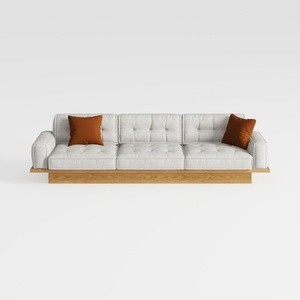
Modway EEI-6401-IVO Oasis Upholstered Fabric Sofa,
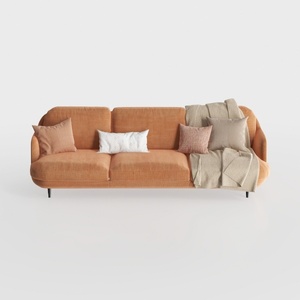

RENDGO Velvet Loveseat Sofa, 64.2'' Mid Modern Sma
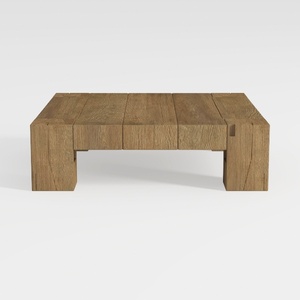
GiftGo Coffee Table Mid Century Modern Center
Homestyler is your ultimate online design companion, perfect for creating stunning spaces! With its user-friendly design tool, vibrant 3D renderings, and a wealth of DIY video tutorials, you'll effortlessly transform your home ideas into reality. Start your creative journey today!
Design Now for FREE
































