

Effective voice capture is essential for fostering productive meetings. In settings like conference rooms, particularly in hybrid configurations, microphones must adjust to distance, diverse seating arrangements, background HVAC noise, and fluctuating participant involvement. My focus lies in solutions that enhance speech clarity, mitigate fatigue, and seamlessly integrate within existing AV systems, informed by practical installations and research-driven standards.
The clarity of speech is closely linked to the signal-to-noise ratio (SNR) and the management of reverberation. The WELL v2 Sound concept emphasizes that controlling background noise and reverberation improves cognitive performance and minimizes distractions, aligning with established noise criteria (NC) for occupied spaces (v2.wellcertified.com). Steelcase’s research into workplace environments reinforces that poor sound quality is a major concern in collaborative settings, where clear communication directly affects the perceived quality and effectiveness of meetings (steelcase.com/research). These insights highlight the necessity of pairing microphone choices with acoustic treatments and smart layouts.
Selecting the Appropriate Microphone Based on Room Characteristics
Conference microphones can be classified into various types: boundary or puck microphones on tables, gooseneck microphones for designated seats, beamforming ceiling arrays, pendant options, and compact USB units suitable for small spaces. The choice depends on factors such as room size, seating arrangement, reverberation time (RT60), and whether participants remain seated, standing, or moving around. In rooms accommodating 6 to 12 people, boundary mics mounted on tables often provide optimal gain-before-feedback, whereas in larger areas with flexible seating, ceiling-mounted beamforming arrays minimize clutter while capturing sound evenly across distinct zones.
Recommended Microphones by Room Size and Application
- USB cardioid tabletop microphone featuring internal DSP for noise suppression and automatic gain control, designed for easy plug-and-play use.
- A compact boundary microphone strategically placed at the center of the table, ensuring reliable sound pickup without demanding strict mic discipline.
- In environments where furniture is frequently rearranged, consider a compact beamforming soundbar, ensuring that RT60 is maintained around 0.5 to 0.8 seconds for optimal performance.
- Utilizing dual boundary microphones symmetrically along the table can enhance coverage while maintaining distances of approximately 1.5 to 2 meters per speaker.
- Gooseneck microphones are ideal for key positions (like the presenter’s chair) as they enhance clarity for recordings and remote attendees.
- Ceiling-mounted pendant mics offer a solution where table cabling is not preferable, although careful gain settings are crucial.
- Beamforming ceiling arrays with adjustable microphone lobes provide specialized coverage areas; they are particularly effective in rooms with flexible seating configurations and dividable spaces.
- Distributed boundary microphones integrated with an automixer maintain natural speech levels while minimizing crosstalk among participants.
- Wireless headworn or lavalier microphones for presenters ensure consistent volume and intelligibility during demonstrations or mobile presentations.
Prioritizing Acoustics: Maximizing Microphone Efficiency
Microphones serve to amplify the inherent acoustic characteristics of their environment. Aiming for an RT60 target of roughly 0.5 to 0.7 seconds in small to medium-sized rooms helps maintain clear sound without muddled consonant sounds; larger spaces may tolerate 0.7 to 0.9 seconds but should use directional microphones. Employing broadband sound absorption treatments (like wall panels and ceiling clouds) coupled with strategic diffusers behind participants is beneficial. The WELL v2 also points out the use of sound masking to ensure privacy in adjacent spaces; however, it should be turned off during calls in conference settings to eliminate additional noise (v2.wellcertified.com).
The Benefits of Beamforming Ceiling Arrays
I prefer using ceiling arrays when: seating arrangements are variable; tables are modular; there are concerns regarding cable management; and aesthetics require a clean and uncluttered appearance. Important considerations include the precision of lobe steering, onboard acoustic echo cancellation (AEC), and integration capabilities with Dante/AVB for efficient routing. Arrays should be positioned to intersect typical seating patterns, avoiding direct placement over HVAC vents to lessen the impact of flutter and high-frequency noise.
Boundary (Puck) Table Microphones
Boundary microphones utilize the table's surface to mitigate phase cancellations and improve direct sound reception. They work well when participants speak naturally without needing to lean towards the microphone. Ensure each person is within a distance of approximately 0.8 to 1.5 meters from a microphone. Implementing an automixer can help reduce output from unused channels, maintaining consistent overall room gain. Incorporating isolation grommets and decoupling pads can alleviate mechanical noise from typing or tapping.
Gooseneck and Desktop Microphones
In formal boardrooms where speech is captured or documented, gooseneck microphones offer precise sound quality with minimal background noise. They promote mic discipline and limit extraneous room noises. Opt for hypercardioid capsules to minimize lateral sound interference in tightly arranged seating areas. If aesthetics is a concern, low-profile goosenecks or switched bases can provide participants with an easy mute option.
Wireless Presenter Options: Lavalier and Headworn Microphones
For mobile presenters, a dedicated wireless channel is paramount. Headworn microphones generally provide better SNR and plosive management compared to lavalier options, especially in echo-prone environments. Frequency coordination and standardizing the use of rechargeable batteries is critical; ensure that transmitters are stored in labeled docking chargers to avoid unexpected interruptions during meetings.
The Role of Automixers, AEC, and DSP
Automixing technology balances multiple microphone inputs, managing unused channels and preventing gain stacking—this becomes essential in spaces utilizing more than two microphones. AEC, either built-in or external, is critical for video conference calls to remove audio from distant participants reaching the room speakers. It’s advisable to prioritize equipment that offers per-channel noise suppression, dereverberation capabilities, and adjustable gate thresholds. I typically fine-tune gating to activate around -35 to -40 dBFS in quieter settings, increasing slightly for noisier environments.
Microphone Placement, Layout, and Furniture Considerations
Effective placement is key. Keep microphones away from direct airflow and distances from projector fans. In a table layout, align microphones with seating clusters instead of rigid symmetry, acknowledging that seating is typically not perfectly spaced. When planning for new seating arrangements, utilizing a room layout tool can help visualize microphone locations in relation to chairs, diffusers, and cable pathways.
Cabling, Networking, and AV Routing
Ceiling arrays often utilize Dante/AVB for seamless routing and future scalability. For analog boundary microphones, it's vital to use shielded cables, avoiding parallel paths with power sources, and connect at a stage box or under-table outlets to minimize potential trip hazards. Clearly label all connections there and maintain a straightforward input map that corresponds with seating positions for efficient troubleshooting.
Noise Management, HVAC Considerations, and Human Elements
Attending to human factors is critical: participants shuffle papers, type, and move pages. Employing cardioid patterns and shock mounts is helpful, but proper etiquette and wisely chosen furniture can significantly reduce handling noise. Selecting chairs with soft glides and tables with solid surfaces can help diminish resonance. When positioning return air vents, place them behind the microphone coverage areas rather than above to avoid disruptive wind noise.
Sustainability and Ongoing Maintenance
Prioritize hardware that includes modular components and is easy to service. Utilizing rechargeable systems can significantly reduce battery waste in frequently-used rooms. During renovations, strategically integrate acoustical treatments with low-VOC materials and durable finishes to ensure stable microphone performance over time while conforming to health regulations.
Testing and Fine-Tuning Performance
I complete a checklist that includes measuring background noise levels, confirming RT60 through rapid impulse testing, seating a test group in common positions, recording a practice session, and listening for clarity, breath noise, and crosstalk. Assess automixer functioning and any residual echo from AEC. Document the entire gain structure from microphone to DSP to conferencing systems, ensuring that future adjustments do not disrupt the established balance.
Concise Selection Recommendations
- For a stationary table configuration: choose boundary microphones along with an automixer.
- If the layout is frequently modified: opt for a beamforming ceiling array that provides clear coverage areas.
- When meetings focus on a single presenter: consider adding wireless headworn microphones.
- If high-quality recordings are essential: use gooseneck models for primary speakers.
- For budget-conscious choices: begin with two well-placed boundary microphones and enhance acoustics prior to expanding hardware.
Tip 1: Optimizing Lighting and Visual Comfort
Providing glare-free lighting set between 300 and 500 lux keeps participants comfortable and minimizes distractions caused by eye fatigue. It is wise to avoid downlights directly over microphones to limit excess heat and noise from built-in fans. A warm-neutral color temperature (approximately 3500–4000K) ensures participants remain alert without feeling overwhelmed.
Tip 2: Color Choice and Psychological Impact
Using neutral colors with a subtle accent wall behind the camera promotes a sense of calm and focus, consistent with color psychology findings that cooler shades aid concentration while overly saturated reds may increase agitation. Maintaining matte finishes can help reduce sound reflections and glare on cameras.
Frequently Asked Questions
Beamforming ceiling arrays are ideal for layouts that require flexibility, effectively capturing sound across multiple zones while minimizing table clutter. They necessitate appropriate RT60 control and suitable DSP (like AEC and automix) to function optimally.
Typically, two to three boundary microphones can adequately cover around 10 seats, provided that speaker distances remain below approximately 1.5 meters. Utilizing an automixer can help regulate open channels and enhance clarity.
Absolutely. Even the finest microphones cannot rectify extended reverberation or excessive background noise. Aim for an RT60 range of approximately 0.5 to 0.7 seconds in small to medium spaces while maintaining HVAC noise levels within comfortable NC limits.
Headworn microphones offer superior SNR and maintain consistent placement, making them preferable for clarity in reverberant environments. In contrast, lavaliers are less intrusive but sensitive to placement.
Acoustic echo cancellation is crucial for removing distant audio from the microphone feedback, preventing participants from hearing echoes of their own voices. Without AEC, those on remote calls may encounter significant echo issues.
Position arrays centrally above usual seating clusters, steering clear of HVAC vents, and ensure steerable lobes are aimed to cover chairs rather than aisle spaces. Validate coverage by conducting test recordings to verify effectiveness.
Generally, yes. With embedded DSP and cardioid pickup patterns, they’re suitable for small rooms accommodating 2 to 5 individuals. Position them centrally on the table while reducing hard reflective surfaces to enhance audio clarity.
Select equipment that features replaceable capsules, firmware updates, and rechargeable batteries to ensure longevity. Clearly labeling all components and utilizing standardized charging protocols can prevent failures and reduce battery waste.
Providing indirect, glare-free lighting contributes to participant comfort and decreases handling noise. Avoid fixtures with audible fans located near microphones, and maintain light levels around 300 to 500 lux for optimal comfort.
In conference rooms, sound masking typically compromises intelligibility by introducing additional noise. It is more effective to apply masking in adjacent areas for enhanced privacy, while keeping it turned off during meetings.
What began as an Autodesk innovation has evolved into a design platform used by more than 18 million people around the globe. Homestyler combines powerful rendering, an intuitive editor, and a vast furniture library to help you turn inspiration into photorealistic designs — whether you're redesigning a single room or planning an entire home.
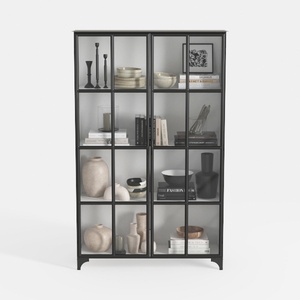
Modern Black Metal Glass Display Cabinet 3D Model
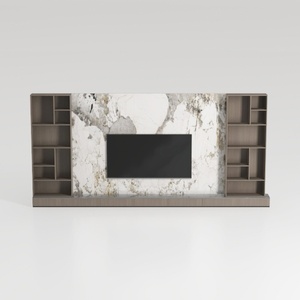
Modern Marble Solid Wood TV Wall Unit With Bookshelves 3D Model
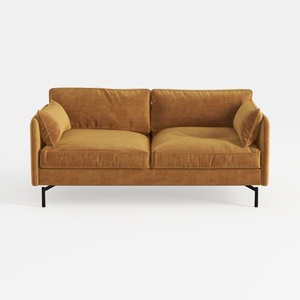
Modern Velvet Upholstered 2 Seater Sofa With Black Metal Legs 3D Model
Homestyler is your go-to online home design platform, perfect for both experienced designers and beginners. With its user-friendly design tool, stunning 3D renderings, and a wealth of DIY video tutorials, you can effortlessly create and visualize your dream space. Start your home transformation today!
立即免费设计
































