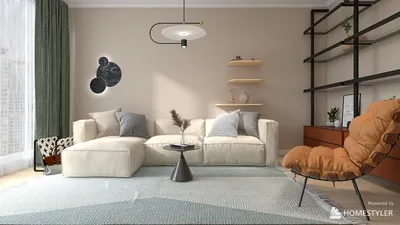


A space that allows for easy movement, supportive seating, and clear sightlines feels inviting and spacious. L-shaped sofas strike the perfect balance in both compact apartments and spacious open-plan homes, serving as a solid anchor without overwhelming the area. According to Gensler's U.S. Workplace Survey, optimal seating arrangements can enhance perceived productivity and collaboration, paralleling how an L-shape efficiently organizes living areas around social engagement and media. With the WELL v2 report also recommending an illuminance target of 150–300 lux for living spaces, it’s vital to coordinate sofa placement with lighting effectively, especially when using tools like Homestyler to plan your layout.
While square footage is important, human factors play an equally critical role. Research from Steelcase shows that the ergonomics of seating significantly affect comfort and engagement, principles that are easily applicable to home lounging when considering seat depth, back pitch, and arm support. Additionally, color psychology adds another dimension; according to Verywell Mind, cool colors such as soft blues and greens promote calmness while warm hues can invigorate, allowing you to tailor the upholstery and decor of your L-shape sofa to reflect your desired atmosphere. Incorporating these elements can enhance your living space without making it feel cramped.
Designing the L for Optimal Flow Rather than Just Fit
Begin by outlining circulation paths; ensure you maintain 28–36 inches of clearance in key walkways, and 18–24 inches around coffee tables to facilitate movement. In smaller living rooms, position the longer segment of the L against the longest wall to open up the center. In open-concept spaces, rotate the L to subtly delineate the living area while still providing sightlines towards windows and dining spaces. Tools like Homestyler can help visualize different arrangements and pathways before making any decisions, as I often simulate at least three configurations to optimize access to media, natural light, and minimize noise levels.
Select the Right Scale and Proportions
Ensure that the length of the sofa and seat depth correspond to the room’s dimensions and accommodate the users. For versatile living rooms, a seat depth of 32–36 inches offers a balance of lounging comfort and upright conversation; taller individuals might find a depth of 38–40 inches more comfortable when paired with supportive cushions. Aim for the L's longer side to be approximately two-thirds the length of the wall to maintain visual balance. For ceilings lower than 8 feet, opt for lower-profile backs (30–32 inches) to keep the area feeling open. Following a guideline of 1.5–2.5 times the screen’s diagonal for sofa-to-media viewing distance can help reduce neck strain, a principle I’ve applied across many family rooms.
Utilize Modular Sections for Greater Flexibility
With modular L-shaped sofas, you have the ability to adapt to changing needs—shift the chaise from one side to the other, incorporate an armless section, or eliminate an ottoman to enhance circulation for guests. This flexibility aligns with findings from workplace studies indicating that adjustable environments enhance perceived efficiency, and in a home setting, seasonal reconfigurations can optimize natural light, control heat gain, and accommodate extra seating for gatherings—all without the need to purchase new furniture.
Illuminate Corners and Manage Glare Effectively
For vibrant living areas, layered lighting is essential. Implement ambient lighting that aligns with WELL's recommended illuminance for living areas, integrate task lighting by reading spots, and use warm-toned accent lamps (2700–3000K) for a cozy evening glow. Position floor lamps at the short leg of the L to brighten the area, while directing shades away from screens to minimize glare. Following the IES's glare control guidelines, consider indirect lighting or shielded fixtures, like wall washers or LED uplighting behind your sofa, especially when media is located directly opposite.
Opt for Appropriately Sized Tables and Storage Solutions
Your coffee table should ideally measure about two-thirds the length of the shorter leg of the sofa, allowing for 16–18 inches clearance for easy access. Nesting tables are beneficial beside chaises for users reclining, while a slim console behind the more extended side can neatly hide cables and charge devices without adding clutter. If substantial storage is necessary, consider using a low credenza across from the L to maintain visual openness.
Define Zones in Open Spaces Without Physical Barriers
Utilize the L-shaped sofa as a gentle divider: back it towards the dining area, and secure it with a rug that stretches 8–12 inches beyond the sofa's footprint. Ensure clear pathways for dining while preserving a visual connection to the kitchen. In designs where children play or guests gather, the L-enables a conversational arc, allowing two to four people to face each other comfortably, with the corner seat serving as a pivot. A simple interior layout planner, like Homestyler, can assist in mapping rug boundaries, traffic flow, and necessary clearance around entrances before moving heavy furnishings.
Understanding Color Psychology: Calm or Energize
Color influences behavior significantly. For a tranquil lounging environment, opt for muted blues, soothing greens, and warm neutrals, which work harmoniously with low-gloss finishes to reduce visual clutter. To foster social energy, select warm shades such as cinnamon, terracotta, or golden ochre for cushions and throws to elevate mood without overwhelming the room. Insights from Verywell Mind indicate that warm colors create a welcoming atmosphere, especially beneficial during winter months when natural light wanes.
Textile Choices, Sustainability, and Maintenance
Performance fabrics—characterized by tight weaves and abrasion resistance above 30,000 double rubs—offer durability against wear and tear from pets. Opt for removable cushion covers for ease of cleaning, and consider materials such as recycled polyester or plant-based foams to reduce ecological impact. Maintain moderate sheen levels to minimize reflections under evening lighting, and select breathable fabrics if the L is positioned near strong sunlight.
Creating Acoustic Comfort
In open-concept layouts, hard surfaces can exacerbate noise levels. Pair your L-shaped sofa with a plush area rug, lined drapery, and a fabric ottoman for sound absorption, placing the sofa so its corner angles away from rigid, parallel surfaces. If you have a soundbar, angle it slightly to avoid directing sound straight at the chaise, creating a more balanced audio experience for conversation and viewing.
Maximizing Small Spaces: Tips for Micro-Living
In compact areas, opt for an L-shaped sofa with a slender arm profile and elevated legs to enhance visual space. Replace a fixed chaise with an ottoman to gain flexibility while keeping pathways clear. Glass or lightweight wooden coffee tables decrease visual weight, and wall-mounted media units free up valuable floor space. If doors swing into your living area, ensure that the shorter leg of the L remains unobstructed while pushing the longer leg against the wall.
Establishing Anchor and Balance in Larger Rooms
In larger spaces, a strong anchor is necessary to prevent the area from feeling sparse. Opt for an L-shaped sofa with deeper seats and a broad chaise, balancing it with additional seating—such as two lounge chairs or a bench—to form a U-shape around the coffee table. Maintain visual interest by alternating dense upholstery on one side with airy shelves or art on the opposite side to keep the eye engaged throughout the space.
Practical Layout Recommendations from My Experience
I always create mock-ups of three different arrangements: 1) placing the L along a long wall opposite to media; 2) positioning the L to frame a window with media on the side; 3) floating the L to define a living area in an open plan. I measure reach to table edges, hallways between entrances, and angles to outdoor views. When window views are significant, I accept a slightly off-axis TV position and incorporate a swivel mount—prioritizing human factors before screens.
Frequently Asked Questions
To maintain smooth flow, keep walkways clear with 28–36 inches of space and 18–24 inches around the coffee table; this minimizes bumps and optimizes movement.
Position the chaise on the side farthest from the main entryway or on the side that receives the most natural light without inducing glare on screens. Modular furniture designs offer flexibility if you decide to change later.
For a balance between lounging and upright seating, opt for seat depths ranging from 32–36 inches. Taller individuals might prefer depths of 38–40 inches combined with supportive cushions for optimal comfort.
Select a rug that extends 8–12 inches beyond the sofa’s boundary, ensuring the front legs sit on the rug to unify the area and enhance acoustics.
Utilize warm-toned, adjustable lighting (2700–3000K), shield illuminations, and locate fixtures beside or behind seating to prevent direct light hitting screens.
Soft hues like blues, green-grays, and light neutrals are calming; a few warm accents help the space feel inviting without overpowering it.
Incorporate a slim-armed, elevated-leg L to float in the living zone, while applying a console or low shelving unit to keep circulation and storage organized.
Choose a coffee table approximately two-thirds the length of the shorter leg of the L, allowing for 16–18 inches of reach to ensure easy accessibility without crowding.
Add a pair of accent chairs or a bench across from the open side of the L to create a U-shaped conversation area; angle chairs slightly for a natural flow and open circulation.
Select performance fabrics that withstand over 30,000 double rubs, feature stain-resistant finishes, and have removable covers; consider sustainable materials for eco-friendliness.
Install a dense area rug, a fabric ottoman, and lined drapes to minimize noise. Avoid aligning corners with hard surfaces to reduce sound reflections.
Not always necessary. If window views or artworks are priorities, place the TV slightly off-axis and use a swivel mount to maintain a clear sightline for daily use.
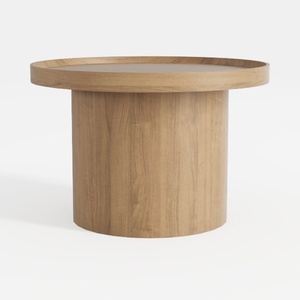
Minimalist Solid Oak Round Coffee Table 3D Model
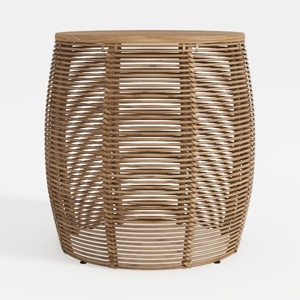
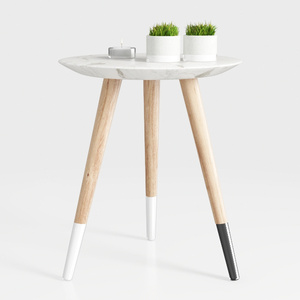
Modern Marble Top Solid Wood Legs Side End Table 3D Model
Homestyler is the ultimate online home design platform that empowers you to create stunning spaces with ease. Utilize its intuitive design tool, explore impressive 3D renderings, dive into inspiring design projects, and follow helpful DIY video tutorials. Transform your home with Homestyler today!
Design Now for FREE
































