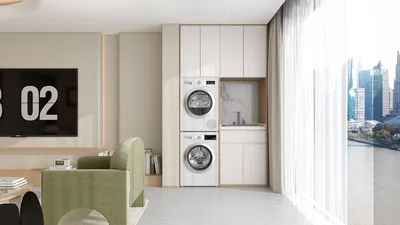


In my experience designing numerous living rooms, I've found that initially, small windows can seem like design limitations. However, with the right approach, they can actually enhance the ambiance of the room. The intention isn't to make the windows look bigger but to effectively harness light, scale, and comfort, ensuring the space feels bright, well-proportioned, and inviting. Utilizing tools like Homestyler can help visualize these concepts during the design process.
When making design decisions, incorporating data is crucial. According to the WELL v2 Light concept, proper daylight exposure is essential for supporting circadian health, and it includes recommendations for managing glare and enhancing lighting quality. Combining soft daylight with layered electric lights can significantly boost both alertness and mood. Research from Steelcase indicates that having access to views and good lighting contributes to overall wellbeing and performance, elements that apply seamlessly to living spaces. I rely on these standards to influence both color choices and lighting strategies in scenarios with limited window space, drawing insight from WELL v2's guidelines and Steelcase's findings for a research-based approach.
The psychology of color plays a vital role in design. Verywell Mind points out that lighter shades, particularly desaturated blues and warm off-whites, can promote tranquility and a sense of openness. In contrast, warm saturated accents can energize focal areas without overwhelming the space. I typically achieve pleasant results using ambient lighting in the range of 3000-3500K for warmth, alongside 4000K task lighting for clarity, ensuring that the contrasts between lighting levels remain gentle to maintain visual comfort while working with tools like Homestyler to visualize the effects.
Layering Light Effectively
In spaces with restricted daylight, utilizing layered lighting is key. Aim for a three-layer approach: ambient lighting for a soft, uniform glow, task lighting for focused illumination in activity areas, and accent lighting to highlight architectural features or artwork. Adhering to IES recommendations suggests targeting approximately 10-20 footcandles for ambient spaces and up to 30-50 footcandles in task zones. It's beneficial to use dimmers on all lighting layers to adjust brightness according to the time of day. Positioning floor lamps with translucent shades across from windows will help reflect light off the walls, while integrating slim LED wall washers can create an illusion of height.
Experiment with Soft Contrast and Reflective Surfaces
Utilizing high-reflectance finishes can dramatically alter the perception of small-window rooms. Keeping expansive wall surfaces in the 70-80% reflectance range, using matte to eggshell paints, helps diffuse daylight, while reserving muted tones for millwork and furnishings to avoid a sterile atmosphere. Glossy surfaces may appear bright but can introduce glare, so opting for satin finishes where visibility is needed can soften the light effectively. In compact areas, implementing a light neutral palette with one bold accent wall—such as terracotta, deep teal, or olive—adds depth while not diminishing the daylight.
Opt for Sheer and Light-Controlling Drapery
Window treatments should enhance rather than overwhelm. Utilizing sheer panels will provide privacy while still allowing soft daylight; consider adding side-stacked drapery on a broad rod to visually open up the window. If heat gain or glare is a concern, top-down/bottom-up shades can help maintain the brightness level at eye level. Choosing fabrics with breathable qualities, like linen blends, maintains translucency and introduces delicate play of shadows.
Scale Furniture to Enhance Sightlines
Lower seating profiles can create the illusion of taller windows. Opt for sofas with slim arms and exposed legs to elevate the room visually, while nesting tables provide versatile surfaces without obstructing pathways for light. Ideally, maintaining a 2:3 ratio between the length of the sofa and the primary wall it faces helps keep visual balance. If you're redefining your layout and seek quick visualization, a room layout tool like Homestyler can assist in adjusting seating heights, aisle dimensions, and focal alignments effectively.
Direct the Focus Vertically
With smaller windows, emphasizing vertical elements is particularly effective. Incorporate tall bookcases, floor-to-ceiling drapery, or vertical gallery walls to enhance perceived height. It's advisable to position artwork centerline between 57-60 inches from the floor for optimal viewing, varying frame sizes to introduce movement. Adding a slender vertical plant, such as a ficus or olive tree, near the window can provide natural texture and frame the opening without crowding the area.
Utilize Mirrors to Amplify Light, Not as Deceptive Tricks
A sizable, low-gloss mirror strategically placed perpendicular to the window can enhance the influx of daylight without causing sharp reflections. It’s best to avoid placing mirrors directly opposite the window unless light levels can be managed; a slight angle of 10-15° can yield softer reflections. Choosing antique or smoked finishes will soften brightness while maintaining depth.
Create a Deliberate Focal Point
Small windows should complement visual focal points rather than overshadow them. Select one standout feature—a fireplace, an art console, or a statement shelving unit—and accentuate it with warm lighting fixtures (2700-3000K) to stabilize the visual composition. Keeping the lighting output modest, such as using two 600-800 lumen spots angled at 30°, helps define the element without drawing too much attention away from the window. This hierarchy creates a narrative where the window feels like part of a larger design story rather than the primary focus.
Emphasize Layered Textures
Layering different textures amplifies light interaction. Incorporate tactile elements like bouclé throws, textured linens, and matte ceramics instead of glossy options. These contrasts create nuanced shadows that add richness to the design even when daylight is limited. Choose rugs in lighter tones with subtle patterns—enough to ground the seating area, yet not so heavy that they absorb precious light.
Enhance the Color Palette with Warm-Neutral Foundations
Warm whites, such as soft almond or cream, create a sunlit ambiance even in low light. Pair these with muted blues or sage to introduce a cooler aspect to the palette, and incorporate brass or walnut accents to provide warmth. If the window faces north, selecting paints with a higher Light Reflectance Value (LRV) that hints at yellow can counteract the cool tones; conversely, for west-facing windows, balancing the warm evening light with cooler neutrals prevents the space from appearing excessively golden.
Manage Glare and Shadows Effectively
Controlling glare is crucial when window size concentrates light. Utilize lamp shades equipped with diffusers, indirect sconces, and track lighting with glare-reducing baffles. Ensure high-contrast materials are placed away from direct lines of sight from seating to minimize discomfort. Measure reflected brightness from glossy surfaces; if a coffee table reflects too much light, consider switching to a satin or textured surface to soften the glare.
Promote Acoustic and Material Peace
Rooms with small windows often confront issues of glare coupled with sound reflections. Incorporating acoustic elements like wool-blend rugs, upholstered wall panels behind seating, or heavily lined drapery around the room can mitigate these issues. Employing sustainable materials—like FSC-certified woods, low-VOC paints, and natural fibers—improves indoor air quality and tactile comfort while promoting environmentally responsible sourcing.
Floor Plan Strategies to Facilitate Light Movement
To ensure daylight travels unobstructed, maintain a clear passage along the window wall with at least 30-36 inches of clearance in primary aisles. Angle accent seating slightly towards the window to maximize borrowed light and cultivate engaging sightlines. If considering different arrangements, an interior layout planner like Homestyler can help visualize sofa depths and lamp placements before finalizing designs.
Trends for 2024-2025 Regarding Small Windows
An emerging trend leans towards tone-on-tone color schemes, sculptural lighting, and mixed natural materials—including limewash, rift-cut oak, and aged brass. Compact modular seating options and plug-in sconces offer flexibility while minimizing invasive installations. Soft curves within designs reduce visual clutter and disperse light more evenly across surfaces.
Referenced Guidelines for Evidence-Based Approach
For comprehensive insights on healthy lighting and the impact of spatial design on wellbeing, consult the WELL v2 Light concept at wellcertified.com, as well as Steelcase Research accessible at steelcase.com/research. Both resources provide practical frameworks for light quality, glare management, and their correlation to enhanced comfort and performance.
Frequently Asked Questions
To optimize light in small spaces, keep window treatments sheer and well-positioned. Utilize high-reflectance paint tones and place mirrors perpendicular to the window to disrupt harsh reflections while allowing daylight to enrich the space.
Combining ambient lighting around 3000-3500K with task lighting at approximately 4000K creates a harmonious balance, enhancing comfort while keeping reading zones distinctly illuminated.
Positioning mirrors at a slight angle of 10-15° off-axis from the window and utilizing low-gloss finishes can help maintain an even luminance within the space. Using diffused fixtures nearby aids in achieving a consistent light level throughout the area.
Follow IES guidelines by targeting 10-20 footcandles for ambient living areas and around 30-50 footcandles in task lighting. Employing dimmers facilitates adjustments to suit the time of day and desired ambiance.
Sheer window panels combined with top-down/bottom-up shades allow for privacy while filtering light. Installing drapery above and extending wide will create an illusion of height for the window opening.
A single saturated accent wall paired with high-reflectance walls can add visual depth and enhance the perception of space, especially when layered lighting is thoughtfully applied.
Utilize lower-profile sofas with exposed legs and slim designs, complemented by nesting tables. A 2:3 length ratio between the sofa and the primary wall preserves balance and aids in maintaining light pathways near windows.
Incorporating tall, slender plants near the window enhances verticality and softens edges. Select varieties that thrive in lower light conditions or discreetly install grow lights within your layout.
Absolutely—matte light-toned materials diffuse incoming light effectively and create gentle micro-shadows that introduce richness, contrasting with heavier, darker materials that tend to absorb light.
To anchor the space, highlight a singular element, such as artwork or a console, using warm accent lights around 600-800 lumens at a 30° angle, while keeping other areas more subdued for balance.
Hard surfaces can exacerbate harshness; incorporating rugs, upholstered wall panels, and heavy drapery contributes to sound absorption and softens light reflections, enhancing overall comfort in the space.
Expect to see tones-on-tone color palettes, sculptural lighting fixtures with built-in diffusers, and the use of natural materials with soft finishes in your designs. Modular seating and plug-in sconces afford adaptability as you assess light and layout.
Built on technology originally developed at Autodesk, Homestyler empowers anyone to design beautiful, realistic spaces in minutes. Join over 18 million users who have already discovered a smarter way to plan, visualize, and bring their dream homes to life — all from the comfort of a browser.

Modern Oak Linen Fabric Sofa 3D Model

Rustic Solid Oak Round Coffee Table Unique Geometric Base 3D Model
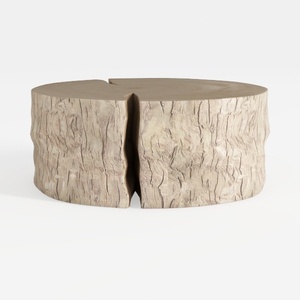
Rustic Solid Wood Split Log Coffee Table 3D Model
Homestyler is your go-to online home design platform, perfect for all skill levels! With its intuitive design tool, stunning 3D renderings, a wealth of inspiring design projects, and helpful DIY video tutorials, you'll effortlessly transform your spaces into beautiful living areas. Start designing today!
Design Now for FREE
































