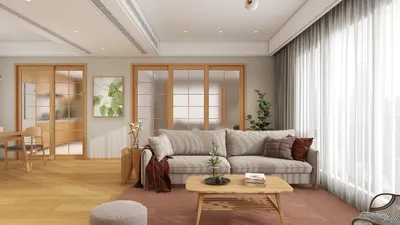


Transforming a space with glass partitions can elevate it from ordinary to extraordinary, creating distinct zones while maintaining open sightlines. I have utilized glazed walls in various settings such as apartments, studios, and small offices to enhance the perception of depth and natural light flow without compromising privacy. A successful DIY project begins with defining performance objectives—such as daylight accessibility, sound insulation, and safety—before moving on to precise layout, hardware, and material selections, which can be effortlessly visualized using a tool like Homestyler.
The primary advantage of glass partitions is their ability to maximize daylight. The Illuminating Engineering Society (IES) recommends lighting levels of 300–500 lux for most residential activities, and I have consistently measured levels between 350–450 lux in living spaces once opaque walls are substituted with clear or low-iron glass, particularly if the glass aligns with window placements. Research from Steelcase shows a correlation between access to natural light and enhanced employee well-being and engagement; workers frequently cite daylight as one of the top factors influencing their workplace satisfaction. This data informs my design philosophy: to expand light distribution while carefully managing glare through strategic orientation and glass selection. Additionally, the WELL v2 standard underlines the importance of visual comfort and glare reduction, highlighting the need to consider glass coatings and shading solutions early in the design process.
Acoustic considerations are also crucial in glass partition design. A standard 10 mm tempered glass panel typically offers a Sound Transmission Class (STC) rating in the low 30s; however, upgrading to laminated glass—comprising two bonded panes—can enhance this rating to the mid to low 40s, depending on various factors including thickness and sealing mechanisms. In open spaces, I prefer using laminated glass for designated areas like phone booths or bedrooms, allowing speech clarity to be reduced while preserving an airy aesthetic. Additionally, utilizing tighter gaskets, full-height frames, and soft materials such as rugs or upholstered panels can significantly mitigate sound reverberation.
Designing the Layout: Focusing on Light, Flow, and Proportions
I initiate the planning phase with a scaled layout to trace paths for daylight, circulation, and furniture placement. It’s vital to maintain clear widths of 900–1000 mm for major circulation routes and to align mullions with existing structural features like window spacings and ceiling beams to minimize visual distractions. Generally, a 60/40 solid-to-glass ratio works well to balance privacy and luminosity. For rapid visualization or spatial studies, using a room design tool like Homestyler can facilitate quick decision-making.
Choosing the Appropriate Glass: Safety, Clarity, and Privacy
When it comes to safety, it is crucial to select tempered or laminated glass. Tempered glass is more robust, shattering into small pieces, while laminated glass remains intact upon impact, providing better sound isolation. Low-iron glass is preferred to eliminate the green hue typical of standard float glass, especially when complemented by warm oak or light stone finishes. For creating private areas, options such as acid-etched frosting, gradient films, or switchable smart films can be applied on the side visible to occupants, ensuring easy maintenance. Understanding color psychology can also enhance your design: warm neutral tones next to clear glass create a calming effect, while sharp black frames confidently delineate boundaries without overwhelming the space.
Frame Systems and Hardware Choices
Sleek aluminum frames with thermal breaks are ideal for modern interiors and help dampen sound compared to exposed steel frames. While slim steel frames can add a sophisticated touch to industrial-style lofts, they may enhance sound amplification; therefore, it’s critical to detail them with neoprene gaskets and brush seals around doors. For sliding glass partitions, top-hung tracks maintain floor continuity; it’s essential to have a structural header that can support point loads and consider including soft-close dampers to prevent any jolting that might disturb the glass panes. In compact spaces, pivot doors with offset hinges can significantly reduce the extent of swing.
Managing Glare and Ensuring Quality Light
Direct sunlight reflecting off polished floors can create problematic glare. I evaluate orientation and introduce light-diffusing sheer fabrics, micro-prismatic films in work areas, or opt for matte finishes in flooring to minimize glare. Targeting 300–500 lux in living areas—as per IES recommendations—and around 500 lux at work desks is ideal. When incorporating task lighting, choosing bulbs in the range of 3000–3500 K for living spaces and 3500–4000 K for work zones ensures a cohesive color temperature, which helps to prevent visual inconsistency. It’s best to place fixtures so that they bounce light off the ceiling rather than the glass to reduce reflections.
Acoustic Detailing for Effective Spaces
Even with high-quality laminated glass, gaps can diminish performance. Continuous seals should be applied at the floor, jambs, and headers, and backer-rod with acoustic sealant at the junction of frames and walls. An effective technique is to stagger seams to counteract noise propagation. Additionally, integrating the partition with sound-absorbing materials like wool carpets, upholstered furniture, and ceiling baffles can elevate the overall Noise Reduction Coefficient (NRC). Bedrooms can benefit from sturdier doors (solid core) within the glazed framework to help contain low-frequency sound.
Measuring and Ordering: Preventing Costly Errors
When measuring, focus on finished openings instead of rough framing. Allow for a total tolerance of 6–10 mm to accommodate shims and seals based on the frame system being used. It’s essential to ensure that everything is plumb and level throughout the height of the panels; even a slight lean of 5 mm on a 2400 mm opening can become noticeable next to well-aligned mullions. Order safety glass according to local building codes, and request polished edges for any exposed sides. If a butt-joint corner is in your plans (without an accompanying vertical mullion), precise mitering or UV-rated silicone joints will be necessary.
Steps for DIY Installation
- Begin by protecting the floor and establishing a working perimeter.
- Install the track or frame ensuring it is plumb and square; check the diagonals are within 2–3 mm.
- Dry-fit the glass panels, inspect reveals, then secure using shims and gaskets as specified by the manufacturer.
- Seal joints around the perimeter and promptly wipe away any excess material.
- Attach doors, adjust closers and latches, and verify swing or slide operations are smooth.
- Finally, add any privacy films or blinds, and adjust lighting to complement the new reflective surfaces.
Safety and Compliance Considerations
Any glazing located adjacent to doors, close to floor levels, or in wet locations typically necessitates the use of safety-rated glass. Tempered glass is ideal for showers, while laminated options should be considered near stairs to contain broken pieces. Make sure to adhere to fire separation regulations if the partition intersects a rated corridor or kitchen; a non-rated glass wall cannot substitute for a necessary fire partition. Always handle glass panels with appropriate suction equipment, cut-resistant gloves, and secure lifting methods, as the weight of medium-sized panels often exceeds safe handling capacities for a single person.
Styling Your Finished Partition
Achieving a balance between reflectivity and texture is key—consider using linen drapes, matte ceramics, and open-grain woods to break up harsh highlights. Black or bronze frames can anchor a contemporary design scheme, while oak trims can soften the look for a warmer Scandinavian feel. Keeping sill areas clear and incorporating a slim planter ledge can add depth without causing clutter. In case the partition delineates a home office, positioning acoustic art panels opposite the glass will help absorb initial sound reflections.
Maintaining Long-Term Clarity
Utilize non-ammonia-based cleaners on any coated or filmed glass surfaces, and a microfiber cloth to prevent scratches. Conduct annual inspections of seals, re-seat any that have loosened, and lubricate sliding mechanisms with manufacturer-recommended products. For laminated glass panels, it’s advisable to check the edges for signs of delamination particularly in high-humidity areas, and ensure adequate ventilation to avoid condensation buildup.
References for Authority
For guidelines on daylight, glare control, and visual comfort, refer to IES standards and WELL v2 documents, which can be accessed at IES standards and WELL v2. Additionally, Steelcase offers comprehensive research on workplace daylight and its impact on well-being, which can also be beneficial for designing residential studios.
Frequently Asked Questions
Q1: How do I decide between tempered and laminated glass?
A: Tempered glass is more robust and safer upon breaking, making it suitable for general partitions and shower installations. Laminated glass enhances acoustic performance and remains intact post-impact, making it preferable for bedrooms, offices, and areas requiring superior sound mitigation.
Q2: What thickness is advisable for a standard residential glass wall?
A: For most framed systems, 10–12 mm tempered glass is ideal. For enhancements in sound insulation, use 6.4–10.8 mm laminated glass (two layers plus an interlayer), ensuring compatibility with both framing and hardware.
Q3: How much light can I expect from a glass wall in the living room?
A: In my experiences, living rooms typically achieve around 350–450 lux after replacing solid barriers with clear glass, adhering to IES's recommended levels of 300–500 lux for residential tasks.
Q4: Can a glass partition offer privacy?
A: Absolutely. Employ techniques like acid-etched or matte finishes, gradient privacy sections at eye level, or smart films that change opacity. Combine these with soft curtains for nighttime privacy while still allowing daylight to flow during the day.
Q5: Will a glass wall lessen noise levels?
A: A single tempered panel provides limited sound reduction (STC low 30s). By incorporating laminated glass, quality seals, and solid-core doors, STC ratings can range from the mid 30s to low 40s depending on the specific design details used.
Q6: Are black steel frames too prone to echo in smaller apartments?
A: Yes, steel can resonate; mitigate this risk with neoprene gaskets, brush seals, and softer decorative elements. Aluminum systems with thermal breaks tend to provide a quieter environment, although they may shift the visual style.
Q7: How can I control glare in a workspace?
A: Position your desk perpendicular to windows, utilize sheer diffusers, and select task lighting within the 3500–4000 K range. Follow WELL v2’s guidance on visual comfort to prevent direct reflections within your line of sight.
Q8: What’s the best way to clean and care for filmed glass?
A: Use non-ammonia cleaners alongside soft cloths, steering clear of abrasives especially at the edges of the film. Regular annual checks for any bubbles or lifting, particularly in humid environments, are recommended.
Q9: Is it feasible to install a butt-joint corner without a vertical mullion?
A: Yes, this is possible with precisely mitered edges or UV-rated silicone joints. Ensure that the header and adjacent frames can withstand potential racking forces; tight tolerances are essential.
Q10: What common mistakes should I watch out for in layout design?
A: Common pitfalls include narrow circulation paths, misaligned mullions with surrounding window patterns, and neglecting acoustic seals. Utilizing a planning or visualization platform like Homestyler can help validate furniture placements and sightlines before making purchases or installations.
Homestyler's roots trace back to Autodesk, the global leader in design and engineering software. That heritage lives on in every feature we build. Today, with a community of more than 18 million users worldwide, Homestyler continues to make professional-quality interior design accessible to everyone — from first-time decorators to seasoned architects.
Homestyler is your go-to online home design platform, perfect for creating stunning interiors. With its user-friendly design tool, impressive 3D renderings, and a wealth of DIY video tutorials, you can effortlessly transform your home design ideas into reality. Start your journey today!
Design Now for FREE
































