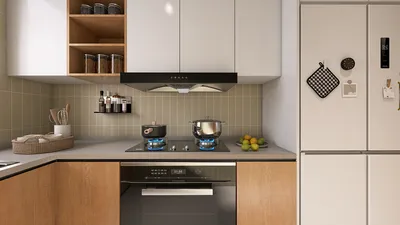


A kitchen sink featuring a pre-drilled tap hole can greatly simplify the installation process, minimize the need for countertop modifications, and provide a more cohesive visual appeal. Having specified and installed numerous sinks in various settings including apartments, family homes, and hospitality venues, I have found that success hinges on accurate measurements, user-friendly ergonomics, and effective sealing from the outset. Utilizing a design tool like Homestyler can help refine these elements before installation.
Effective design begins with the right metrics. It’s essential for task lighting at the sink area to achieve recommended brightness levels for food preparation, as outlined by IES standards which typically recommend brighter task lighting compared to ambient lighting zones. Ergonomics also play a crucial role; studies indicate that work surfaces close to elbow height can alleviate physical strain. Principles from office ergonomics show that neutral arm positions reduce fatigue, a technique I apply at the sink by ensuring the rim height aligns with the user’s body. Color psychology further suggests that cooler shades can enhance clarity and concentration.
The quality of water and health certifications are increasingly pivotal when selecting fixtures and materials for kitchen environments. Choosing filtration-ready faucets and lead-free brass materials in accordance with NSF/ANSI standards, along with splatter reduction features, contributes to healthier kitchens. Designers often refer to WELL v2 when prioritizing indoor health guidelines, ensuring that selections bolster user comfort ranging from acoustics to light and materials, while also confirming that both sinks and faucets facilitate hygienic cleaning and streamlined workflows, which can be planned out using tools like Homestyler.
Selecting the Right Sink & Tap Hole Layout
Your choice of configuration should be guided by cabinet width, bowl shape, and faucet type. Standard base cabinets usually accommodate sinks ranging from 24 to 33 inches in width. A single pre-drilled tap hole of 35mm (about 1-3/8 inches) is suitable for most monobloc mixer taps, whereas filter taps or soap dispensers may require additional holes. If you’re fine-tuning clearances, consider using an interior layout planner like Homestyler to simulate sink and faucet reach and splash zones before cutting into your countertops.
Ergonomics: Height, Reach, and Bowl Depth
I typically aim for a finished countertop height between 34 to 36 inches (864–914 mm) for average-sized adults, while taller individuals may prefer a height of 37 inches (940 mm). Opting for a bowl depth of 8 to 10 inches (203–254 mm) strikes a balance between capacity and user comfort; deeper bowls can lead to discomfort in the back and shoulders. The faucet spout should ideally be positioned mid-bowl to minimize splash, while offset drains optimize base cabinet space and enhance workflow by keeping dish stacks clear of the main task area.
Placement of Tap Holes: Centered vs. Offset
Centered tap holes are ideal for symmetric sinks and single-bowl configurations, while offset tap holes—positioned toward the larger bowl or away from a wall—enhance reach and provide better clearance for high-arc spouts. If the sink is installed beneath a window, make sure to account for sash movement and handle clearance. For corner sinks, an offset tap hole avoids issues with handles hitting nearby walls. Always double-check the faucet’s base diameter and the maximum deck thickness against the sink’s pre-drilled hole size and reinforcement.
Choosing Materials: Stainless, Composite, Fireclay, and Stone
Stainless steel (304 or 316 grades) continues to be a reliable choice; look for 16 to 18 gauge for reduced noise and enhanced dent resistance. Sound-deadening pads and undercoatings significantly cut down on noise. Granite composite sinks offer resilience against heat and scratches, featuring matte surfaces that effectively conceal water spots. Fireclay sinks present a classic apron-front aesthetic; ensure the tap hole region is well-supported and be cautious with torque on locknuts to avoid cracking. When using stone or quartz undermounts, verify that the pre-drilled tap hole aligns well with the faucet’s shank length and that the countertop has sufficient thickness and support.
Faucet Compatibility: Cartridge, Flow, and Filtration
Monobloc mixers typically require a base hole of 1-3/8 inches; some pull-down models may need up to 1-1/2 inches. Ceramic cartridges are preferred for their durability, and opting for laminar or aerated streams helps minimize splash. If you plan to install under-sink water filtration, then a dual-flow faucet or a separate filter tap will necessitate an additional hole—map these out in advance to prevent crowding. Households with fluctuating water pressure should select faucets that are rated for local PSI levels and include check valves to mitigate backflow.
Mounting Options: Drop-In, Undermount, Apron-Front
Drop-in sinks with built-in tap holes simplify installation and help contain splashes due to their rim design. Undermount sinks create a seamless countertop appearance; if the tap hole is situated on the sink ledge rather than the countertop, be sure to check the deck load rating and reinforcement. Apron-front fireclay models generally have robust rear decks for tap holes; however, confirm the clearance concerning the backsplash and window sill.
Enhancing Lighting in the Sink Area
Effective task lighting can drastically improve the functionality of the sink area. Utilize a pair of forward-offset recessed downlights or a linear under-cabinet light placed near the front edge to minimize shadows on the head. Aim for bright, neutral lighting in the 3000 to 4000K spectrum for optimal food color accuracy. Adjust the lighting to softer levels in the evening to lessen glare on stainless surfaces. Again, sync task lighting output with IES recommendations and complement it with ambient pendants for improved visual comfort.
Sound and Vibration Management
Considering the sounds created by water spray, garbage disposals, and stainless steel resonate, focusing on acoustic comfort is paramount. Choose sinks with complete undercoating and multi-pad damping, add elastomeric gaskets beneath faucet bases, and separate dish racks to minimize rattling. If utilizing a disposer, include a vibration collar and ensure the sink’s gauge and support brackets are capable of handling dynamic loads.
Water Control, Splash Management, and Backsplash Solutions
Position the faucet spout to align within the central third of the bowl. Opt for a textured sink finish to help mitigate splash. For backsplashes, implementing a 3 to 4-inch (75 to 100 mm) upstand connects with tiles or slabs for a neat seal; apply silicone to the join using a mildew-resistant sealant. In compact kitchen spaces, a lower-arc spout can help minimize overspray onto adjacent appliances.
Installation Instructions: A Step-by-Step Approach
Unbox the sink and faucet; verify the tap hole's diameter, deck thickness, and clearances from the backsplash, window hardware, and electrical outlets. Confirm the alignment of the trap and disposer. If you are refining layout zones—prep, wash, cook—digitally simulate them using an interior layout planner like Homestyler to check reach and flow.
Run a thin bead of sanitary silicone beneath the sink flanges (for drop-in) or along the undermount rim. Position the sink, clamping if necessary, and promptly clean up any excess silicone. For undermount installations, use mechanical clips and two-part epoxy or a specified adhesive, supporting the bowl until complete curing occurs.
Install the faucet through the pre-drilled tap hole, placing the manufacturer’s gasket on top and using a rubber or fiber washer beneath. Tighten the locknut by hand with an additional partial turn; avoid over-tightening, which could risk cracking ceramics or warping thin stainless steel decks. Connect the hot and cold lines with braided hoses, including isolation valves that are easily accessible without needing to empty the cabinet.
Secure the strainer, disposer flange, or basket waste using plumber’s putty or the sealant recommended by the manufacturer. If you’re adding soap dispensers or filter taps that require extra holes, maintain at least 2 inches (50 mm) between center points to prevent crowding and to facilitate tool accessibility.
Pressurize the water lines, remove any air bubbles, and check each connection with a dry tissue. Run hot water and operate the sprayer to test the system. Inspect the underside of the tap hole and the deck for any signs of leaking, and fill the bowl to ensure trap seals and disposer connections are secure.
Common Pitfalls to Avoid
Care and Maintenance for Longevity
Clean around the faucet base weekly to avoid mineral deposition at the gasket line. Reseal silicone joints every 2 to 3 years, particularly in high-usage kitchens. Utilize non-abrasive cleaners; nylon pads typically suffice for cleaning most stainless and composite materials. Regularly check locknuts at least once a year, since temperature variations can gradually loosen hardware over time.
Design Elements That Enhance Daily Use
I often recommend a slightly softened inner corner radius for easier cleaning, a rear-offset drain to maximize base cabinet space, and a pull-down faucet with a magnetic docking system to decrease spray head movement. For aesthetically pleasing visuals, matching faucet finishes with hardware and light fixtures works well, and selecting a sink texture that conceals micro-scratches is advisable. In scenarios with limited counter space, features like recessed drainboards or integrated ledges for sliding accessories (such as colanders and drying racks) can transform your sink area into a versatile prep station.
Frequently Asked Questions
Typically, most monobloc faucets fit a 1-3/8-inch (35 mm) hole. However, heavy-duty pull-down models may require up to 1-1/2 inches (38 mm). Always check the manufacturer’s specifications before purchasing.
Centered holes are suitable for maintaining symmetry in single-bowl setups. Conversely, offset holes enhance reach in double-bowl configurations, particularly in corner locations or to avoid conflicts with backsplashes/windows.
A depth of 8 to 10 inches (203–254 mm) provides an optimal balance between storage capacity and ergonomics. Deeper bowls can lead to discomfort during prolonged prep tasks due to increased bending.
Absolutely—consider the sink area as a task zone. Employ forward-offset downlights or under-cabinet lighting within the 3000–4000K range to minimize shadows and glare, per IES recommendations.
Choosing heavier-gauge stainless steel with complete undercoating and damping pads, or opting for dense composite materials, helps to minimize noise. Adding gaskets under the faucet base as well as a vibration collar for disposers can also help manage sound levels.
Yes, you can, but it will necessitate an additional hole in the sink or countertop. Ensure any planned spacing maintains a minimum of 2 inches (50 mm) between centers for adequate tool access.
Utilize sanitary, mildew-resistant silicone at sink rims and the joints of the backsplash. For basket wastes, adhere to the manufacturer instructions—some may prefer plumber’s putty, while others recommend silicone.
Position the spout to align with the mid-bowl, select aerated or laminar streams, and consider a sink with a textured surface to help reduce splashing. Lower-arc spouts can be beneficial in smaller spaces.
The ideal countertop height typically falls between 34 to 36 inches (864–914 mm), with taller individuals sometimes preferring up to 37 inches (940 mm). Striving for a height close to elbow level promotes a neutral arm posture—an ergonomic insight emphasized in research from Herman Miller.
Yes, provided the tap hole is suitably placed in the sink deck designed for undermount application and is adequately reinforced. Always verify the thickness of the deck and the range of the faucet clamp.
Homestyler is the ideal online platform for your home design needs. With its user-friendly design tool, stunning 3D renderings, a wealth of design projects, and helpful video tutorials, you can easily create and visualize your dream space—no prior experience needed!
Дизайн сейчас бесплатно
































