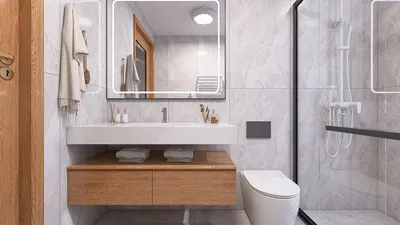


Large walls play a vital role in defining the atmosphere of contemporary spaces. When designed with care, these walls serve as anchors for proportion, rhythm, and illumination—drawing attention, organizing flow, and enhancing the perception of space. My approach to large wall decor involves a harmonious blend of material selection, color theory, and precise detailing to create an intentional look without overwhelming the viewer.
Research indicates that the arrangement of visual elements and color can significantly affect comfort and productivity. Steelcase found that visual clarity and minimized clutter lead to enhanced concentration in open areas, while Gensler’s studies on workplace environments emphasize the appeal of spaces with unified focal points and balanced contrasts, resulting in higher satisfaction and productivity ratings. WELL v2 also underscores the significance of glare reduction and visual comfort, recommending task lighting in the 300–500 lux range and managing contrast around focal walls to mitigate eye strain. According to Verywell Mind, shades of blue and green often evoke feelings of calmness and stability, while vibrant reds and oranges can infuse energy—crucial considerations when deciding on the emotional impact of a wall’s color.
Large-Scale Painted Geometry
When working with limited budgets, paint remains the quickest method to create an impactful scale on walls. I design geometric shapes—such as bands, arches, or diagonal rectangles—that frame important furniture pieces and facilitate movement. It’s advisable to keep the color palette focused: choose one neutral base and one or two accent colors. Use a laser level and painter's tape for neat edges. Aim for 30-40% coverage of the wall with accent shapes to avoid overwhelming visuals. In living spaces, calming shades of blue or muted greens serve to lower excitement; in creative studios, a warm terracotta tone can energize without the harshness of bright red. Ambient lighting should align with 300–500 lux as per WELL recommendations, and glossy finishes should be avoided to eliminate glare.
Oversized Textile Panels
Textile panels not only add a welcoming touch but also help in sound absorption, making them especially beneficial in airy spaces with hard flooring. I prefer to stretch fabric over lightweight frames or hang expansive tapestry-like pieces with a slight reveal to cast shadows. Opt for textiles that improve Noise Reduction Coefficient (NRC), such as thick woven fabrics or felted wool, which effectively soften sound reflections in the mid to high frequencies, minimizing conversation interference. The patterns should be large-scale—repeating unit sizes of 12-24 inches—to maintain visibility from a distance. This technique enhances acoustic comfort, as even modest sound absorption on a large wall can lead to clearer audio experiences.
Grid Wall of Slim Shelving
A modular grid layout with shallow shelves (4-6 inches deep) transforms an empty wall into an organized display. I standardize spacing—typically 12 inches apart with a straightforward rectilinear pattern—and keep display items minimal: think books with neutral covers, small ceramic pieces, and a few green plants. This grid provides a visual framework that reflects modernist design principles and facilitates easy access to items. If you plan to have seating or passage nearby, try out different arrangements using an interior layout tool from Homestyler to ensure that the space feels comfortable and navigable.
Monochrome Photographic Diptychs and Triptychs
Large-format black-and-white photographs can impart clarity and tranquility. I prefer diptychs or triptychs measuring at least 24x36 inches, framed with thin borders and broad mats. Maintain consistent horizon lines throughout the series to evoke a panoramic effect. Use matte paper in bright rooms to minimize glare; in darker areas, increase ambient lighting to about 300–500 lux and supplement with a warm picture light to enhance the overall warmth without altering color clarity. The outcome should appear minimalistic yet personal.
Plywood Relief and Slat Walls
Create shallow reliefs using birch plywood or wood slats to introduce texture without overwhelming ornamentation. Alternating different profiles can produce a rhythmic aesthetic; ensure the overall projection remains under 1.5 inches to keep the design sleek. This approach enhances verticality and functions as a subtle acoustic diffuser. Sealing with a low-VOC matte finish helps maintain the texture. In narrow corridors, vertical slats can create an illusion of length; conversely, horizontal bands in expansive living areas can enhance perceived spaciousness.
Statement Mirrors with Integrated Light
Mirrors can significantly enhance both space and natural light. I opt for large mirrors—48 inches or more—with soft perimeter LED lighting set at 2700–3000K. These should be positioned opposite windows, slightly angled to prevent direct glare as per IES guidelines. For evening settings, dim the lights to 30–50% to keep reflections soft. The illuminated edges create an effect akin to a floating frame, infusing modern aesthetics without adding visual clutter.
Large Canvas Color Fields
Instead of directly painting a wall, consider stretching canvas between 60-72 inches and applying a single nuanced color field. This method allows for seasonal palette changes. Layered glazes can add depth and prevent the appearance of flatness. For calming bedroom spaces, cool grays with hints of blue help maintain low stimulation, while muted aubergine or olive tones can add richness in dining rooms. Hang the artwork slightly below eye level to create an intimate atmosphere in large rooms.
Modular Cork or Felt Pin-Up Zones
In both home offices and studios, using cork or felt panels can create innovative, flexible wall solutions. I design a checkerboard pattern with 18-24 inch tiles for easy content addition without creating visual clutter. These tactile surfaces help in sound absorption and foster an interactive environment. Limit the use of pushpins, clips, and specific labels to maintain a modern feel. If the wall is adjacent to a desk, keep ergonomic reach zones in mind, ensuring primary access lies within 18 inches and secondary access up to 24 inches, making the layout intuitive. Research from IFMA and Herman Miller aligns with minimizing friction in daily tasks, highlighting the value of an organized board.
Architectural Paint + Shadow Gap
A subtle yet impactful detail involves painting a large section in a shade slightly darker than the adjacent walls, incorporating a 0.5–1 inch shadow gap created by a trim reveal. This negative space gives the wall a framed appearance, enhancing its gallery-like quality. It’s a budget-friendly way to let the wall perform as a proper backdrop without committing to extensive paneling.
Plant-Forward Living Wall Frames
If feasible, install modular planters within a tight rectangular frame. Consistency in plant species—like philodendron or pothos—makes maintenance manageable, and integrated drip trays further simplify care. Position these near high-CRI lighting or bright natural light, but keep them away from direct heat sources. The plants provide a vital biophilic element that enhances mood and perceived air quality, while demurely softening angular modern designs.
LED Line Art and Light Sculptures
For a contemporary and futuristic design, consider low-glare LED line fixtures that lightly trace geometric patterns across the wall. Maintain a consistent color temperature that matches the rest of the room lighting and use dimmable drivers for flexibility. This approach aims to create a light sketch rather than overwhelming visuals. Contemplate different lighting scenes: bright for cleaning, mid-level for social interactions, and subdued for relaxation. This design adheres to WELL visual comfort guidelines while adding dynamic character to the space.
Curated Overscale Typography
A bold word or concise phrase, applied through vinyl or hand-painted lettering, can serve as a focal feature. Select a humanist sans-serif font with wide spacing; restrict to a single line to avoid visual clutter. Utilize high contrast only if glare management is in place—opt for matte finishes and softer ambient lighting—and ensure placement aligns with furniture arrangement so the design feels cohesive rather than isolated.
Planning Your Composition
When planning a significant wall, I begin by establishing furniture focal points and sightlines. Aim for artworks to occupy 60-75% of the width of the furniture below it, which usually ensures visual harmony. Keep the bottom edge consistent at about 8-10 inches above backs of sofas for a unified look. If you’re exploring various options, simulate dimensions and spacing with an interior layout planner from Homestyler to visualize scale, reach, and sightlines prior to making any permanent changes.
Opt for low-VOC paints and eco-certified plywood. Recycled felt fabrics exhibit excellent acoustic properties while being cost-effective. When framing artwork, consider using FSC-certified wood and museum-quality glass only where critical; for larger pieces, standard UV acrylic or clear glass is often a sufficient, lighter alternative.
Define the intention of the wall before selecting colors: whether the aim is tranquility, focus, or vibrancy. Soft hues of blue and green foster calmness; muted warm shades create a hospitable environment; vibrant colors should be applied thoughtfully or combined with matte finishes to eliminate glare and reduce eye strain. Achieving balance is more crucial than strict adherence to rules—a space that receives bright daylight may benefit from cooler colors to offset warmth, while spaces with less natural light can use warmer tones to infuse liveliness.
Layer your lighting to encompass ambient, accent, and task sources. Keep general illumination around the 300-500 lux level; incorporate 2700-3000K accent lights to highlight textures without overshadowing colors. Use dimmers to customize lighting scenes while avoiding directed LEDs aimed at reflective surfaces. This enhances visual comfort and allows for prolonged usage without discomfort.
FAQ
Q1: How should large artwork be proportioned concerning furniture?
A1: The width of the artwork should ideally be between 60 to 75% of the furniture piece beneath it (like a couch). This proportionate scale helps maintain visual equilibrium and prevents a wall from appearing too empty or cluttered.
Q2: How can I minimize glare on glossy frames or mirrors?
A2: Utilize matte finishes, position mirrors slightly away from direct light, and rely on diffused lighting fixtures set at 2700-3000K. Keep overall lighting at about 300-500 lux and avoid intense light sources that directly face reflective surfaces.
Q3: Which colors are most effective for creating a calming large wall?
A3: Soft shades of blue and green are frequently associated with calmness according to color psychology studies. Opt for muted tones paired with matte paint to alleviate glare and visual fatigue.
Q4: Can textiles genuinely enhance acoustics on a large wall?
A4: Absolutely. Dense weaves, cork, or felt materials contribute to sound absorption and help reduce flutter echo, a typical issue in rooms with hard surfaces. Even a few large panels can significantly enhance conversational clarity.
Q5: What height should I consider for hanging large artwork in a living room?
A5: Generally, aim for artwork to be centered approximately 57-60 inches from the floor in gallery-style arrangements, or position the bottom edge 8-10 inches above the back of a sofa to align with seating ergonomics and sightlines.
Q6: Is LED line art too intense for residential environments?
A6: Not if you're using dimmable drivers, maintain a consistent color temperature that matches the room’s ambient light, and incorporate diffusers. Treat it as an accent lighting option with adjustable settings for various occasions.
Q7: How many items should I display on a grid shelf wall?
A7: Curate displays sparingly—aim to leave 30–50% of the grid empty. This use of negative space preserves a modern aesthetic and prevents cognitive overload.
Q8: How can I subtly add dimension to a plain painted wall?
A8: Introduce a shadow gap or trim reveal around a large color field. This small negative space creates a framing illusion and enhances the architectural presence of the wall.
Q9: Are living plant walls feasible in low-light areas?
A9: Select hardy species (like pothos or philodendron) and complement them with high-CRI grow lights. Streamline irrigation practices to foster consistency and minimize maintenance challenges.
Q10: How can I plan a large wall layout without making errors or assumptions?
A10: Begin by outlining furniture placements, measuring clearances, and testing various design options with a layout simulation tool from Homestyler to evaluate scale, reach, and sightlines before proceeding with any constructions or alterations.
Homestyler is your go-to online home design platform! With its user-friendly design tool, stunning 3D renderings, and a wealth of DIY video tutorials, you can effortlessly transform your living space into a masterpiece. Start your design journey today!
Дизайн сейчас бесплатно
































