

When searching for room heaters, my priority is to find models that provide consistent warmth, ensure safety during operation, and are energy efficient, so they won’t lead to high utility bills. A cost-effective choice focuses on energy efficiency ratings, properly sized heater capacity for the space, and established safety features while cutting out any unnecessary additions that do not enhance comfort. In the United States, space heating significantly contributes to winter energy consumption, making every watt saved crucial as the temperatures fall.
Maximize Heating Efficiency and Safety
The effectiveness of heating corresponds closely with wattage and the area of the room. As a guideline, a small bedroom, typically measuring between 120 and 150 square feet, requires around 1,000 to 1,500 watts depending on factors like insulation and climate. Safety features are essential; prioritize units with overheat protection, tip-over shutoff, cool-touch exteriors, and credible UL/ETL certification. To minimize operational costs, choose heaters that have adjustable thermostats and various heat settings, which can help avoid excessive runtime. The WELL v2 standard highlights the importance of maintaining stable temperature comfort rather than sudden heat fluctuations, thus endorsing zoning and control instead of full-output heating (WELL v2). Research conducted by Steelcase suggests that individuals function better in environments with consistent thermal conditions instead of varying temperatures, further emphasizing the need for precise temperature management (Steelcase Research).
Calculate Energy Costs Before Purchasing
Determining a heater's running cost is straightforward: watts ÷ 1000 × hours × local kWh rate. For instance, using a 1,500-watt heater for four hours each night at a rate of $0.18 per kWh would cost approximately $1.08 per night (1.5 × 4 × 0.18). If this heater is used consistently over a 90-day winter season, the total cost would be about $97—making it worthwhile to employ programmable settings and properly sized heating solutions. Many households find zoning beneficial—heating only the occupied spaces while maintaining a lower temperature elsewhere. Achieving stable thermal comfort—typically between 68°F and 72°F for sedentary activities—generally satisfies the majority when combined with warm clothing, as suggested by human factors guidelines and the WELL thermal comfort intent.
Select the Appropriate Heater for Your Environment
• Ceramic fan heaters: Ideal for delivering quick, directed warmth suitable for small to medium-sized rooms. Look for models that feature oscillation and a digital thermostat.
• Oil-filled radiators: While they take longer to heat up, they deliver warm, quiet, and consistent heat, making them perfect for bedrooms or living rooms where minimal noise and gradual heat are essential.
• Infrared/Quartz heaters: They offer direct radiant warmth, making them useful for spot heating in drafty areas, although they may be less effective at circulating heat in larger rooms.
• Panel/Convection heaters: These offer a slim design that can be mounted on walls or stand-alone. They provide gentle and even heat with low fan noise.
Adjust the heater type based on your activities: for reading or sleeping, opt for models that provide quiet and even warmth; for quick tasks, choose fast-heat ceramic heaters. If you consider rearranging furniture to enhance airflow and heater placement, utilizing an interior design tool like Homestyler can significantly aid in planning your layout.
Critical Comfort Factors for Designers
Thermal comfort is influenced by more than just the temperature. Factors like drafts, cool air at floor level, and uneven heat distribution can make individuals feel colder, even in rooms that read as warm. It’s best to keep heaters off traffic pathways to prevent trip hazards. Position heaters to reduce glare from lights and avoid direct airflow toward seating areas; maintaining a consistent ambient light level between 300 and 500 lux, alongside warmer color temperatures (2700–3000K), can improve feelings of warmth without excessive heating, aligning with findings on color perception related to warmth.
Guidelines for Safety and Placement
• Ensure at least a 3 ft clearance from textiles, furniture, or curtains.
• Use flat, stable surfaces and avoid thick carpets that could obstruct airflow.
• In bedrooms, select quiet units and check for tip-over shutoff features.
• For homes with kids or pets, prioritize models with cool-touch surfaces and child-proof locks.
• Avoid using extension cords unless rated for the specific current draw; verify the heater’s amp rating (1,500W is approximately 12.5A at 120V).
• In bathrooms, use only heaters specifically rated for humid environments.
Cost-Effective Features That Save Money
• Digital thermostats with ±1-2°F hysteresis can prevent overshooting desired temperatures.
• Energy-saving modes can reduce power consumption while maintaining comfort levels.
• Timers, both 24-hour and simple plug-in types, can decrease inefficient idle time.
• Occupancy sensors can shut off the heater when the area is unoccupied to prevent wasted heating.
• Frost protection settings, typically around 45°F, can protect unused rooms from damage without the need for full heating.
Considerations for Noise and Sleep Quality
Fan-operated heaters can produce noise levels between 35 and 55 dBA, which may distract some users. For night use, oil-filled or panel convection heaters are generally quieter, frequently remaining below conversation volume, thus supporting better sleep. Research from Steelcase on focus-driven environments underscores that consistent acoustic conditions enhance cognitive capability, suggesting that quieter heating options are beneficial for evening work or study sessions.
Materials, Quality of Construction, and Durability
Heaters made from metal are more resistant to heat wear compared to flimsy plastics and usually have a longer lifespan. Opt for fan heaters with replaceable filters to keep airflow optimal and limit dust buildup. A solid base, sealed controls, and proper cable strain relief indicate quality construction. Heaters equipped with robust temperature sensors ensure smooth cycling and extend the longevity of components.
Effective Budgeting: The Best Value Without Compromising Quality
• Set a wattage goal based on the size of the room, then compare heaters with similar outputs—features, not wattage alone, dictate efficiency and pricing.
• Refrain from overspending on aesthetic LED effects or advanced app functionalities if they won't be utilized.
• Focus on safety certifications and the length of warranties offered (often between 1–3 years).
• Monitor seasonal pricing; late winter or off-peak periods often bring considerable savings.
• Take into account electricity rates and typical hours of usage when evaluating total ownership costs.
The Impact of Color Psychology on Perceived Warmth
Utilizing warm tones like amber, terracotta, and soft reds, along with textured materials such as wool throws, can enhance a room's warmth perception, enabling you to keep the thermostat 1-2°F lower while still feeling comfortable. Additional elements—such as warm lighting at 2700K and sound-absorbing surfaces—can further amplify the sense of coziness, allowing you to extract more comfort from a modest heater.
Essential Buying Checklist
• Assess room size and insulation quality by measuring or estimating.
• Ensure the heater type corresponds with usage needs (quick warmth vs. quiet efficiency).
• Confirm safety features, including tip-over and overheat protection, plus visible certifications.
• Check for controls: digital thermostats, energy-saving modes, and timers.
• Consider noise tolerance, choosing between fan and convection models.
• Look into warranty provisions and availability of spare parts.
• Calculate running costs based on your local kWh rates.
Frequently Asked Questions
Q1: What wattage is suitable for a small bedroom?
A1: For a space of 120–150 sq ft, 1,000–1,500 watts is typically adequate if the room is moderately insulated. However, drafts or large windows may necessitate leaning towards higher wattages.
Q2: Do oil-filled radiators have better energy efficiency than ceramic heaters?
A2: The efficiency in terms of wattage conversion to heat is comparable, but oil-filled heaters deliver more consistent warmth with fewer cycles, contributing to a more comfortable environment and potentially less need for elevated temperatures.
Q3: How can I lower my heating costs without compromising comfort?
A3: Utilize digital thermostats, energy-saving modes, and timers. Zoning strategies—heating only occupied spaces—often decrease overall energy consumption. For accurate cost assessment, calculate using watts times hours times the kWh rate.
Q4: What are the most crucial safety features?
A4: Essential safety features include tip-over shutoff, overheat protection, cool-touch surfaces, and recognized certifications (UL/ETL). Maintain at least 3 ft clearance from combustible materials.
Q5: Which heaters perform best in sleeping environments?
A5: Oil-filled radiators or panel convection heaters are most suitable due to their low noise and consistent output. Fan-driven ceramic models can be appropriate if sound is not a concern and a thermostat keeps temperatures stable.
Q6: Can color schemes and lighting improve warmth perception in a room?
A6: Absolutely. Utilizing warm color designs and lighting around 2700–3000K can enhance the feeling of warmth, allowing slightly lower temperature settings while still ensuring comfort.
Q7: Are infrared heaters effective for large living rooms?
A7: Infrared heaters are adept at providing targeted heating and minimizing drafts in specific zones, yet they may be less effective at achieving uniform warmth in expansive areas without additional circulation from a fan or convection setup.
Q8: Is investing in a smart app justified?
A8: This depends on how you plan to use it. If scheduling, occupancy detection, or remote control features are beneficial for you, it may be worthwhile. Otherwise, a straightforward timer and precise thermostat can offer similar benefits for less expense.
Q9: How should I position a heater to mitigate drafts and avoid cold floors?
A9: Place the heater to encourage gentle air flow across the room, avoiding direct blasts at seating areas. Elevate it slightly if you experience severe cold from the floor and refrain from obstructing airflow pathways with furniture or textiles.
Q10: What considerations are there for bathrooms or damp environments?
A10: Utilize only the heaters that are specifically designed for damp conditions having appropriate ingress ratings, and strictly adhere to the clearance recommendations provided by the manufacturer.
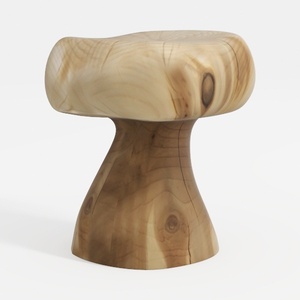

Minimalist Solid Wood Organic Shape Stool 3D Model
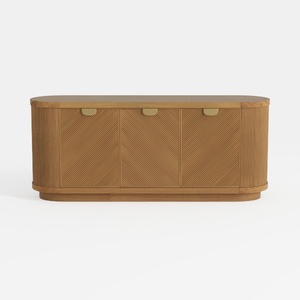
Modern Minimalist Solid Wood Fluted Sideboard with Brass Accents 3D Model
Looking to transform your home? Discover Homestyler! With its user-friendly online design tool, stunning 3D renderings, and a wealth of design projects and video tutorials, creating your dream space has never been easier. Unleash your creativity and start designing today!
Diseño ahora GRATIS
































