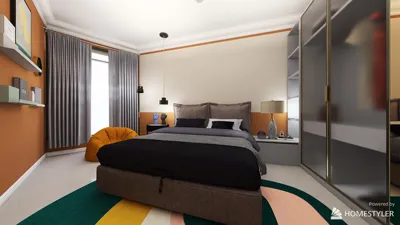


Gray embodies a subtle yet powerful aesthetic. In my design projects, it acts as a stabilizing foundation, allowing textures, lighting, and accent colors to shine without overwhelming the senses. When applied thoughtfully, gray environments exude a sense of composure, modernity, and exceptional comfort—ranging from sleek urban lofts to inviting family rooms. The secret lies in intentionally selecting undertones, lighting, and materials.
Research repeatedly highlights gray’s serene and performance-enhancing characteristics. According to Verywell Mind, gray promotes neutrality and balance, reducing overstimulation when combined with warmer, tactile elements. Steelcase's workplace studies reveal that spaces featuring soft color palettes and minimized glare enhance focus and decrease eye strain, particularly when complemented by ergonomic task lighting, with IES guidelines recommending 300–500 lux for general areas and 500–1,000 lux for tasks. For projects with a focus on certification, WELL v2 highlights the importance of visual comfort, addressing contrast ratios, glare control, and circadian lighting to ensure that gray remains fresh rather than uninspiring. For foundational information, visit the WELL v2 resource center on wellcertified.com.
Creating Your Gray Palette: Undertones, Harmony, and Atmosphere
My initial focus is on undertones. Cool grays, with hints of blue or green, define contemporary aesthetics, while warm grays, leaning towards brown or taupe, soften lines and enhance natural materials. In spaces lacking sunlight, cool gray may come off as too harsh; introducing warm gray or greige can provide a remedy. I strive for a 60–30–10 distribution: 60% of a primary gray on walls and large areas, 30% in secondary materials like wood or fabric, and 10% for accent hues. For a tranquil atmosphere, opt for mid-light LRV gray to prevent starkness; in brighter spaces, a darker charcoal can bring sophistication without heaviness.
The Importance of Light: Lux Levels, Color Temperature, and Glare Management
Gray’s appearance is greatly influenced by light quality. I fine-tune three key layers: ambient lighting (300–500 lux, 2700–3000K), task lighting (500–1,000 lux, 3000–3500K), and accent lighting (150–300 lux). Warmer color temperatures complement warm gray, while neutral whites balance cool gray tones. To maintain a low Unified Glare Rating, it’s essential to use diffused fixtures, indirect uplighting, and matte surfaces around light sources. Employ dimming options and distinct circuits to transition from bright, daytime illumination to soft evening lighting.
Prioritizing Texture: Moving from Flat to Rich Tactility
Since gray is a neutral color, texture adds personality. I create layers with matte wall paints alongside bouclé or wool upholstery, textured throws, limewash walls, and honed stone features. Pairing cool gray with brushed metal or glass and warm gray with natural materials such as oak, rattan, and linen establishes depth. In open-plan designs, a medium gray textured rug helps to define areas without adding visual clutter.
Thoughtful Accents: Color Highlights and Metallic Finishes
Accents are essential to prevent gray from becoming mundane. In schemes featuring cool gray, I prefer muted blues, deep greens, or a solitary brass element for emphasis. For warm gray settings, consider shades of terracotta, ochre, or soft blush for added warmth. Metallic choices include aged brass for coziness, blackened steel for clarity, and chrome for striking modernity. Limit accent colors to two and position them vertically (floor, mid-height, eye level) to maintain a cohesive aesthetic throughout the room.
Gray Walls Perfectly Executed: Finish, Scale, and Proportions
Wall finishes significantly affect gray's impact. Flat or matte finishes conceal imperfections and evoke an architectural feel; eggshell finishes reflect just enough light for high-traffic areas. Larger spaces can handle deeper gray tones, while smaller rooms benefit from lighter shades with clear vertical lines—such as paneling or tonal stripes. Keep trims one shade lighter or darker than the wall color to provide subtle contrast without harsh breaks.
Selecting Furniture: Form, Comfort, and Ergonomics
I prefer furniture with soft contours to create a welcoming atmosphere. For sofas, mid-tone gray upholstery with removable, washable covers offers practical functionality. An eye-catching piece, such as a charcoal lounge chair or an artistic coffee table, can anchor the overall palette. Ergonomically, a seat height of 17–19 inches with supportive lumbar profiles ensures comfort for longer gatherings. Breathable fabric choices can mitigate the heat retention issues often associated with darker tones.
Flooring and Rugs: Establishing Rhythm and Acoustic Harmony
Gray works harmoniously with wood flooring. Warmer gray walls complement white oak, while cool gray aligns beautifully with walnut, creating a striking contrast. For rugs, opt for a medium-pile in mottled gray to conceal wear and tear. Acoustic comfort is enhanced through layered textiles—such as curtains, upholstered seating, and wool rugs—which reduce echoing, helping minimalist gray spaces feel cozy and intimate instead of austere.
Art and Styling: Curating with Purpose
Artwork can stand out stunningly against gray, but careful selection is vital. Black-and-white photography suits cooler palettes, while earthy abstracts enhance the warmth of gray. Adopting a 2:1 rhythm—two understated pieces for each bold accent piece—can achieve balance. Incorporating books, ceramics, and greenery further builds depth, keeping plant leaves in rich greens to maintain a sense of calm.
Maximizing Small Spaces: Strategies to Evade the Cave Effect
In limited spaces, I lighten the color palette and enhance contrast through furnishings. Choosing light gray walls, reflective surfaces with low sheen, and lighter textiles can make a significant impact. Mirrors should reflect natural light, steering clear of dark corners. When storage is restricted, integrating gray millwork with vertical fluting offers texture and complex shadow play.
Layout Strategies: Flow, Sightlines, and Defining Zones
Gray thrives in layouts that are easy to navigate. Establish clear pathways and focal points—such as fireplaces, windows, or statement pieces of artwork. Employ gradients from light to dark to guide the eye: soft grays on the edges, transitioning to deeper grays at focal points. Using a room layout tool, like Homestyler, can help visualize space boundaries and traffic flows before finalizing purchases.
Homestyler for Space Planning
Kitchens and Bathrooms: Grays Focused on Performance
In kitchens, matte gray cabinetry paired with warm wooden accents offers a timeless look. Combining honed light gray quartz countertops with satin nickel handles keeps functionality high. Maintaining strong task lighting beneath cabinets (700–1,000 lux) is essential for usability. In bathroom designs, large-format gray porcelain tiles with matching low-contrast grout create a soothing ambiance while minimizing visual distractions. Radiant warmth is achieved through vanity lighting set at 3000K along with anti-glare diffusers.
Bedrooms and Living Rooms: Invigorating Color Schemes
Bedrooms benefit greatly from a layered approach to gray—selecting wall colors that are slightly lighter than bedding and employing textured linen for draperies adds warmth. Living rooms flourish with mid-tone gray backgrounds, warm wooden touches, and a singular vivid accent to energize social gatherings. It's vital to keep sightlines clear around windows to negate heavy-looking arrangements.
Upcoming Trends for 2024–2025: Styles with Longevity
Emerging trends highlight chalky limewash grays, micro-textured fabrics, and sculptural lighting featuring matte finishes. Warm greige bases accented with blackened features are becoming prevalent, moving away from stark, cool-gray minimalism. Incorporating natural elements—like stone, wool, and plants—within restrained palettes fosters a sense of wellness without excessive ornamentation.
Sustainability and Material Selection: Durable, Ethical, Responsible
Opt for robust, low-VOC paints and FSC-certified woods. Using recycled-content upholstery fabrics in gray ensures both longevity and ease of maintenance. Honed finishes tend to show signs of wear more gracefully than glossy alternatives, leading to longer-lasting aesthetics. A streamlined materials list contributes to clarity and waste reduction.
Practical Color Combinations: Ready-Made Recipes
- Cool gray + deep green + blackened steel
- Warm gray + oak + brass
- Charcoal gray + ivory + walnut
- Pale gray + terracotta + linen
- Greige + stone + matte black
Frequently Asked Questions
North light casts cool and diffused rays, making warm gray or greige with brown/taupe undertones an ideal choice. Testing large paint samples during morning and late afternoon helps ensure warmth remains consistent throughout the day.
Aim for ambient lighting in the range of 300–500 lux with 2700–3000K fixtures, and specific task areas should have 500–1,000 lux for reading, while accent lighting can achieve 150–300 lux. These standards align closely with IES recommendations for comfort and clarity.
Layer rich textures: matte walls, linen drapes, wool throws, and a ribbed headboard. Introduce a warm accent, like terracotta or brass, and ensure lighting stays within the 2700–3000K spectrum for that cozy glow.
Warm gray pairs beautifully with aged brass and satin nickel finishes, while cool gray complements chrome and blackened steel. Consistent finishes across hardware help avoid visual chaos.
Absolutely—light gray hues with low-sheen paint, reflective yet diffused lighting, and minimal high-contrast accents create an airy feel. Adding vertical texture or light paneling can add depth without imposing heaviness.
Consider soft blues, deep greens, charcoal, and crisp whites. Limiting accent colors to two and varying their heights can create a cohesive design.
Choose matte or satin gray finishes complemented by durable, low-VOC paints. Pair this with honed light-gray countertops and strong task lighting beneath cabinets (700–1,000 lux) for the best results.
Subdued color schemes effectively minimize visual clutter. When paired with ergonomic task lighting and effective glare control, gray enhances focus—confirmations backed by Steelcase workplace research.
Utilizing medium gray mottled area rugs crafted from wool or composite materials helps mask wear while also enhancing acoustic comfort. Consider a subtly colored border in ivory or muted green to define the space.
Assign one color to the walls and another to the furnishings, united by neutral wood and mixed metal accents. Maintain a dominant gray proportion of 60% to ensure a unified look.
Built on technology originally developed at Autodesk, Homestyler empowers anyone to design beautiful, realistic spaces in minutes. Join over 18 million users who have already discovered a smarter way to plan, visualize, and bring their dream homes to life — all from the comfort of a browser.
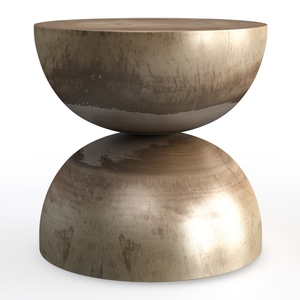
Minimalist Solid Wood Round Side Table Unique Hourglass Shape 3D Model

Modern Velvet Tufted Large Sofa With Decorative Throw Pillows 3D Model

Minimalist Navy Fabric Channel Tufted Extra Large Sofa 3D Model
Homestyler is an amazing online home design platform perfect for all skill levels. With its user-friendly design tool, stunning 3D renderings, and a wealth of DIY video tutorials, you can effortlessly bring your interior design dreams to life and transform your space with confidence!
Design Now for FREE
































