

I have orchestrated and participated in numerous events at the Royal Albert Hall, and the first inquiry from clients is usually about capacity. The venue's iconic oval design, tiered seating arrangements, and adaptable floor space allow for various setups, from classical performances to modern arena-style concerts. It is crucial to comprehend how capacity fluctuates based on production needs, staging, and audience flow to ensure events are safe, enjoyable, and financially successful.
To contextualize capacity with practical standards of comfort and safety, I frequently reference the benchmarks employed in modern venue planning. The IES guidelines aid in achieving optimal lighting levels and glare reduction in auditoriums; the WELL v2 framework establishes standards for acoustics, air quality, and audience well-being in densely populated events. Furthermore, research from Herman Miller indicates that seat ergonomics, posture, and duration of seating directly impact perceived comfort during events lasting between 90 to 120 minutes, which is typical for concerts. For more evidence-based insights, explore resources by Steelcase Research.
Understanding Capacity Ranges
The Royal Albert Hall's capacity varies depending on the event format. In a standard concert setup with the Arena floor configured for seating, the Hall usually accommodates approximately 5,000 to 5,500 guests, contingent upon the stage configuration, orchestra pit requirements, and camera placements. Conversely, if the Arena floor is changed to a standing configuration, commonly desired for contemporary performances, the capacity can rise to about 5,900 to 6,000, again depending on production setups and circulation paths. The fixed seating provided by private boxes and Circle tiers, along with the more flexible Arena and Gallery options, offers promoters a range of possibilities. A key takeaway is to verify capacity against production layouts early on since the dimensions of thrust stages, lighting rigs, and front-of-house control areas can significantly alter seating availability.
Seating Arrangements and Proportionality
The Hall’s horseshoe-shaped architecture distributes seating across various levels, including Stalls, Arena, Circle, and Boxes. The proportions between the seating tiers are designed to optimize sightlines and acoustic performance; the higher tiers benefit from sound diffusion provided by the Hall's dome but may rely on amplification during contemporary events. Sightline strategies depend on the height and angle of the stage: increasing the stage's elevation enhances views from front-tier seats but might create visual obstructions for mid-tier viewers. I typically advise keeping critical viewing angles below 30 to 32 degrees from the viewer's perspective to alleviate neck strain and ensure balanced visibility across seating levels.
Seated vs. Standing Layouts
Standing configurations allow for denser crowd arrangements but necessitate clear egress points and effective wayfinding. The behavior of audiences at standing events tends to be more dynamic, with increased lateral movement and clustering, which affects HVAC temperature settings and placement of concessions. On the flip side, seated arrangements prioritize legroom, seat spacing, and ease of movement; they also help stabilize acoustics by minimizing noise caused by movement. When large scenic elements or extended thrusts are involved, seating capacity may decrease by several hundred to maintain clear sightlines and compliant exit widths.
Acoustical Comfort and Line-Array Configuration
The Royal Albert Hall is celebrated for its exceptional acoustics, which are enhanced by the visible ‘mushroom’ diffusers located beneath the dome. For amplified performances, carefully planning distributed line arrays and front fills is essential to avoid sound 'hot spots' and filtering issues in the Gallery. I aim for average sound levels between 95 and 100 dB(A) for contemporary concerts while managing dynamics to maintain vocal clarity. For orchestral and choral performances, it’s vital to retain early sound reflections and limit electronic amplification in mid-tier areas to preserve the music's natural warmth. Acoustic properties are influenced by crowd density: a denser audience absorbs more high-frequency sounds, requiring minor EQ adjustments and fill-level modifications.
Lighting, Visual Comfort, and Audience Experience
Lighting design for performances must prioritize audience comfort during transitions and when entering and exiting the venue. Adhering to IES recommendations, aisle and step lighting should provide consistent, low-glare illumination, avoiding direct lines of sight to light sources from the Gallery. The color temperature of lighting plays a critical role; warmer ambient light (between 2700 and 3000K) ensures visual comfort during pre-show activities, while more neutral task lighting is reserved for backstage operations. For VIP areas, having adjustable lighting layers and glare-reduction features is vital to maintain comfortable brightness levels.
Human Considerations: Seat Space, Flow, and Attendee Time
The importance of ergonomics in enhancing visitor satisfaction is often underestimated. Proper seat spacing and knee clearance can minimize unnecessary movements and interruptions during shows. With average event durations ranging from 90 to 150 minutes, breathable fabrics and supportive backrests are necessary. Planning for efficient circulation is imperative: wider aisles in Stalls and unobstructed cross-aisles in the Circle tiers can reduce exit times and improve perceived safety. For standing layouts, strategically placing restrooms and food stands helps alleviate congestion and distribute foot traffic evenly across exits.
Planning for Event Organizers and Producers
Establishing production layouts should involve a comprehensive seating plan and fire safety checks to confirm adequate exit capacities. If the event entails experimenting with alternate stage positions—whether end-on, in-the-round, or thrust stages—simulating sightlines from various tiers prior to finalization is recommended. A practical way to visualize seating sections, aisles, and stage dimensions is to use layout tools, which can help assess different scenarios and potential stress points in aisle design. It’s also crucial to align front-of-house audio and lighting arrangements early on; last-minute adjustments of these positions can unexpectedly reduce seat availability by dozens.
Accessibility and Inclusive Planning
When strategizing capacity, it’s essential to account for accessible seating, companion spots, and routes free of barriers. Ensure clear access to lifts and identifiable staff support near main entry points. In standing events, it is important to designate accessible viewing areas offering unobstructed sightlines and monitored density. Signage should be clear and use high-contrast colors that are readable from typical viewing distances within the Circle.
Safety, Egress Management, and Crowd Control
Increased capacity necessitates meticulous management of egress times and crowd behavior. I work closely with security and ushering teams to ensure that aisles remain unobstructed during peak moments and that stairways are kept clear of obstacles. If using pyrotechnics or heavy fog effects, revising risk assessments and adjusting HVAC settings is critical to prevent visibility issues in higher tiers. Implementing intuitive wayfinding, including tier names, color-coded zone indicators, and redundant directional signage, can diminish confusion and facilitate quicker dispersal after events.
Booking Strategies and Revenue Implications
Capacity extends beyond safety considerations; it also serves as a revenue tool linked to ticket tiers, VIP box sales, and bar revenue. Slightly reducing capacity to enhance comfort can lead to improved spending per person and encourage repeat visits. Consider implementing dynamic pricing based on seating tiers—Stalls and Boxes often command higher rates due to favorable sightlines and enhanced services. For standing events, streamlining the bar setup and deploying mobile point-of-sale units can keep the lines moving efficiently.
Frequently Asked Questions
Typical configurations for seated concerts can accommodate nearly 5,000 to 5,500 individuals, while standing arrangements can reach up to 5,900 to 6,000, depending on production layouts and safety considerations for egress.
Absolutely. Employing end-on stages, large scenic setups, thrust platforms, or in-the-round configurations can drastically alter sightlines, often reducing seating availability to maintain lawful aisle widths and exits.
The IES lighting guidelines specify requirements for safe aisle illumination, whereas the WELL v2 framework assists in assessing criteria related to air quality, acoustics, and overall attendee wellness. Research regarding seating comfort provided by Steelcase and Herman Miller plays a crucial role in refining ergonomics and managing how long attendees remain seated.
Standing events commonly exhibit increased audience movement and heat levels, necessitating adjustments in HVAC settings and crowd oversight. Sound intensity may feel augmented due to closer audience proximity, making line-array tuning and proper sound distribution critical.
The height of the stage, the rake of seating, and the arrangement of front-of-house control elements are foundational factors in this aspect. Excessively high risers can obstruct views for mid-tier seats; diligent modeling keeps essential viewing angles comfortable and accessible.
Designate accessible viewing zones with companion seating, ensure pathways are barrier-free, and provide lift access to all tiers. It's crucial to maintain unobstructed sightlines and manage density judiciously, particularly in standing configurations.
Indeed. Thoughtful aisle placement, efficient front-of-house layouts, and careful staging maintain clear sightlines while keeping exit times to a minimum. Often, minor reductions in capacity can enhance both per-capita spending and audience satisfaction.
Using a layout simulation tool to run various scenarios will allow for the testing of seating arrangements, aisle configurations, and sightlines. This can predict how changes in stage types or additional production elements will affect overall capacity.
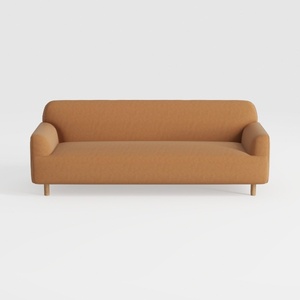
HIFIT Sofa Couches, 79” Mid-Century Modern Couch,
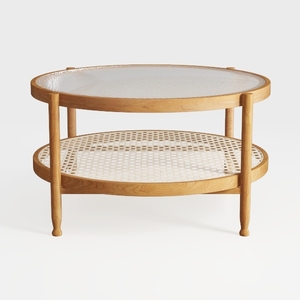
Best Choice Products 2-Tier 35.5in Round Industrial Coffee Table
Homestyler is an innovative online home design platform perfect for all your decorating needs. With its user-friendly design tool, stunning 3D renderings, and a wealth of DIY video tutorials, you can effortlessly transform your space and unleash your creativity. Ideal for homeowners and design enthusiasts alike!
立即免费设计
































