

I specialize in designing refrigeration spaces tailored for food service, pharmaceutical preparation, and research sectors, where energy reliability and temperature consistency are essential. Over time, solar-powered cold rooms have evolved from experimental setups to reliable, grid-connected solutions that effectively reduce operational costs and carbon emissions while enhancing resilience. By integrating high-performance refrigeration technology, smart controls, and appropriately sized photovoltaic (PV) systems with storage, we can ensure temperature stability during power outages and optimize energy usage by shifting loads to off-peak times, supported by tools like Homestyler for planning layouts.
In practice, energy efficiency and human impacts align closely. Research by Steelcase suggests that workplaces maximizing environmental conditions can increase productivity by up to 20%. This observation has been confirmed when stable thermal conditions are maintained, which aids staff workflow and upholds food safety standards. The WELL v2 guidelines recommend setting thermal comfort between 20°C and 24°C for the majority of occupants and emphasize the need for energy transparency and control measures, targets that solar refrigeration aligns with by smoothing out load profiles and delivering reliable cooling capacity. When considering lighting for cold rooms and preparation areas, I follow IES standards for task illuminance, which typically suggests 300-500 lux at inspection counters, all while managing glare and ensuring accurate color rendering for effective quality checks.
From an operational perspective, solar-powered cold rooms depend on four key components: effective envelope performance, correctly sized PV systems, efficient refrigeration units, and intelligent storage solutions. In my recent designs, enhancing the envelope (which includes insulation, air sealing, and thermal breaks) has often led to a reduction in refrigeration load by 15-30% prior to the installation of any photovoltaics. This reduction significantly correlates to smaller required arrays and battery systems. A mid-sized cold room for food storage may typically need 8-15 kWh/day, depending on the ambient climate and door traffic levels; we also consider seasonal variations by assessing peak summer loads and allowing for battery autonomy of 6-12 hours to manage late-day cloud cover. I prefer using variable-speed compressors and EC fans, which improve efficiency during partial loads and reduce noise, ultimately prolonging product shelf life by stabilizing temperature fluctuations. Tools like Homestyler can assist in visualizing these setups during the planning stages.
Solar Strategy: Sizing, Storage, and Controls
Effective sizing begins with calculating loads, including envelope U-values, infiltration, product pull-down rates, and door openings. We aim for a refrigeration coefficient of performance (COP) ranging from 2.0 to 3.0 for standard systems and as high as 3.5 to 4.0 when utilizing advanced components. For rooftops equipped with 18-22% efficient solar panels, a typical 2-4 kW array suffices for small to medium-sized rooms in temperate climates. In areas where grid reliability is poor, lithium-ion batteries with an 80-90% depth of discharge provide dependable cycling; projects in cold climates benefit from insulated battery enclosures with passive ventilation to maximize lifespan. Control systems prioritize setting temperature limits, manage defrost cycles during solar peaks, and shift loads—utilizing surplus generation for battery charging and adjusting compressor speed to avoid hard starts. When exploring door placements, staff movements, and the arrangement of storage racks, I use a room design visualization tool to refine workflow and thermal zoning: such tools can greatly enhance the planning process with Homestyler.
Envelope and Materials: Reducing the Cooling Burden
Quality insulation is the most economical energy measure you won’t utilize. I recommend using polyurethane or PIR panels featuring tight joints, thermal breaks, and gasketed doors. Floor insulation is frequently neglected; if conduction through the slab is substantial, high-compressive strength foam should be installed either beneath or above the slab, accompanied by stainless steel thresholds for durability. The choice of interior finishes should balance food safety with cleanability, favoring smooth, non-porous surfaces that minimize seams, alongside NSF-compliant coatings and appropriate antimicrobial sealants. To support sustainability, I evaluate the global warming potential of blowing agents and the recyclability of the panels. In situations where acoustics are a concern (e.g., nearby offices or retail spaces), I isolate compressor mounts and incorporate resilient pads to reduce structure-borne noise without sacrificing refrigeration efficiency, taking into account the potential of visualization tools like Homestyler for layout considerations.
Temperature Stability and Product Integrity
In refrigeration rooms where perishables or pharmaceuticals are stored, maintaining temperature stability is critical. I design airflow patterns to prevent short-circuiting: positioning supply on one side and return on the opposite side, employing perforated racking that supports uniform convective airflow. Gentle and consistent air velocity aids in minimizing frost accumulation and moisture loss. Defrost methods—whether hot gas or electric—should be scheduled to run during periods of solar energy surplus to limit battery drain. Implementing event-based control mechanisms allows for doors to trigger increased fan speeds and temporary adjustments to setpoints, facilitating quicker recovery after being opened. Performance validation through data logging also supports HACCP compliance in food environments.
Human Factors, Safety, and Workflow
Cold rooms are designed for ongoing use, not solely for engineering specifications. Ergonomics play a significant role: door handles should feature lever-action hardware, low thresholds should be implemented, and anti-slip flooring should be used to minimize strain and accidents. I organize racking with sufficient aisle space (commonly 900-1200 mm) to ensure safe movement, visibility, and ease of pallet transfer, while employing color coding for defined zones—cool tones for deep storage promote a sense of calm and order, and slightly warmer whites in preparation areas enhance alertness. In adjacent areas, light levels should target 4000-5000K to support visual acuity; within the cold storage itself, high color rendering index fixtures ensure accurate inspections. To reduce stress during repetitive tasks, I position heavier items at a height between the knees and shoulders. When making adjustments to circulation or introducing staging areas, I simulate layouts with an interior layout planner to assess temperature zoning and personnel pathways, utilizing resources like Homestyler for enhanced visualization.
Resilience and Grid Interaction
Solar refrigeration performs exceptionally well in scenarios characterized by outages and steep tariff structures. By utilizing bidirectional inverters, these systems can reduce peak loads and support vital operations during power interruptions. I establish battery reserve levels (for instance, 30-40%) to be used during emergencies and allow exporting only when storage remains above predetermined safety levels. For facilities impacted by demand charges, rescheduling defrost and product pull-down tasks to align with midday solar energy availability lowers expenses. Additionally, thermal storage solutions—such as phase change materials designed to align with target setpoints—offer non-electrical buffering, allowing for extended autonomy during brief disruptions. Routine maintenance, including cleaning coils and inspecting gaskets and door alignments, is essential to sustain efficiency and protect the investment over time.
Commissioning, Monitoring, and Continuous Improvement
The commissioning phase confirms that the design meets its intended objectives, which includes testing envelope integrity, verifying setpoints, timing of defrost cycles, and monitoring battery charge/discharge metrics. I require precise sensors, data loggers, and cloud-based dashboards that can promptly identify deviations. Trend analyses can detect problems such as frequent cycling or extended defrost periods. Where staff behaviors may negatively impact performance—such as propped doors or overloaded shelves—implementing simple behavioral nudges (like door closers and instructional signage) can help return loads to optimal levels. Throughout the year, seasonal adjustments—modulating compressor performance and tweaking defrost schedules—are crucial for maintaining system reliability as solar insolation fluctuates.
Cost, Payback, and Sustainability
The initial investment for solar solutions exceeds that of grid-only cold rooms; however, operational expenses significantly decrease. By utilizing a solid envelope and efficient refrigeration, solar technology can offset a large portion of daily energy consumption—especially in regions with high solar insolation—while batteries can handle evening demands and brief outages. The benefits extend beyond energy savings, as enhanced resilience, reduced food waste, and compliance advantages provide tangible returns. Material selections—such as low-GWP insulation, durable gaskets, and maintainable components—lower the lifecycle impact and prolong the lifespan of the system. For teams striving to meet certification standards, WELL v2 provides valuable insights regarding energy and thermal comfort, presenting practical guidelines and performance tracking options (WELL v2).
Design Checklist
- Calculate thermal loads incorporating the envelope, infiltration rates, and product pull-down needs.
- Appropriately size your PV systems based on seasonal peak demands; plan for 6-12 hours of battery autonomy in unstable grid conditions.
- Choose high-efficiency compressors, EC fans, and demand-responsive controls.
- Optimize airflow and storage racking to guarantee consistent temperatures and rapid recovery following door openings.
- Conduct thorough commissioning; monitor temperature, energy use, and door activity.
- Integrate ergonomic principles and lighting standards to create a safe and efficient workspace.
FAQ
For a daily energy demand of 8-15 kWh, a 2-4 kW photovoltaic array is a common baseline in temperate regions, typically paired with batteries sized for 6-12 hours of energy autonomy. Final sizing will hinge on climate factors, envelope conditions, and door traffic patterns.
Yes, as long as the envelope remains well-sealed, airflow is effectively uniform, and storage designs allow for seamless compressor modulation. Event-based controls and sufficient battery reserves offer protection against short interruptions and door openings.
Inspection and preparation zones typically aim for 300-500 lux while ensuring high color rendering to promote accuracy, in accordance with IES lighting standards. Within cold storage, it's crucial to minimize glare and evenly distribute light to minimize shadows.
Neutral-cool white lighting (4000-5000K) fosters alertness and improves visibility. Incorporating calmer color palettes in storage areas can help mitigate stress and promote organization, consistent with findings on color psychology noted by Verywell Mind.
Lithium-ion batteries are favored for their high cycle efficiency and depth of discharge capabilities. In colder climates, it is essential to insulate battery enclosures and manage ventilation adequately to ensure longevity and performance.
Phase change materials (PCMs) aligned with setpoints offer an effective thermal buffering method, reducing compressor cycles and extending operational stability during brief disruptions. They serve as a complement to, rather than a replacement for, electrical energy storage solutions.
Use perforated shelving, keep aisles clear for optimized airflow, and place return vents opposite supply outlets. It is beneficial to simulate various layouts using a design visualization tool, like Homestyler, to optimize zoning and staff movement prior to construction.
Regular maintenance routines—such as cleaning coils, inspecting door gaskets, fine-tuning defrost schedules, and confirming sensor calibration—are crucial in preventing energy inefficiencies and temperature anomalies.
Yes, by scheduling defrost and product cooling tasks during periods of high solar energy generation and utilizing batteries to manage late-day loads, facilities can effectively reduce demand charges while maintaining stable temperatures.
WELL v2 provides criteria related to thermal comfort, energy efficiency, and monitoring systems crucial for best practices in adjacent workspaces, enabling teams to effectively track performance metrics.
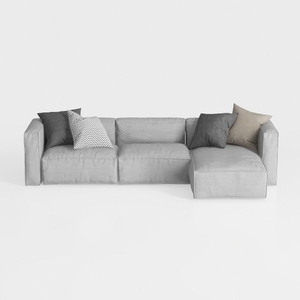
Minimalist Light Gray Fabric L Shaped Sectional Sofa 3D Model
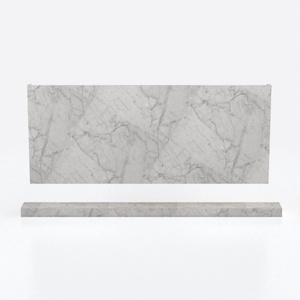
Minimalist White Marble Console Table 3D Model
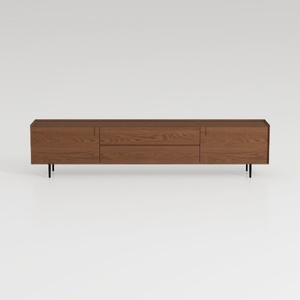

Modern Minimalist Walnut Solid Wood TV Stand with Drawers 3D Model
Homestyler is your go-to online design platform for transforming your home with ease. Utilize its user-friendly design tool, stunning 3D renderings, and a wealth of design projects and video tutorials to inspire your creativity. Bring your dream space to life effortlessly!
지금 무료로 디자인하세요
































