

Cape Cod homes exemplify that living in smaller spaces can combine elegance with functionality. My design philosophy for compact Cape Cod layouts keeps essential elements like the striking steep roofs, a centrally located entry, and a balanced façade while modernizing the interiors for today's lifestyles: enhancing flow, creating adaptable spaces, and emphasizing natural light. The WELL v2 Light framework advocates for optimal lighting and glare management in living areas (WELL v2 L03–L06). Therefore, I aim for an ambient lighting level of 200–300 lux in living rooms, complemented by strategic task lighting around seating areas. Research from Steelcase indicates that having access to natural light and outside views significantly contributes to better well-being and productivity; thus, I prioritize window placement as a vital factor in ensuring function and comfort in my designs, leveraging tools like Homestyler for visualizing impacts.
In small floor plans, functionality is determined by dimensions, not solely on the area. Herman Miller’s ergonomics advice focuses on reach zones and clearance; within a compact Cape Cod design, I maintain main circulation spaces at 36 inches and kitchen aisles near 42 inches to optimize movement while efficiently utilizing storage. According to Gensler’s workplace research, environmental regulation affects residents' satisfaction; in residential design, this involves strategically zoning HVAC systems and incorporating operable windows to customize comfort in each room. Regarding color, insights from Verywell Mind point out that warm neutral tones can lower visual strain, perfectly complementing the cozy interiors of Cape Cod homes characterized by low eaves and intimate spaces.
What Defines Small Cape Cod Designs
The Cape Cod architectural style is classic: featuring a simple rectangular shape, a sharply pitched roof, a central entrance, evenly distributed windows, and a functional chimney. While I maintain these proportions, I enhance the interior layout to include an open living and dining area, a compact kitchen with efficient storage solutions, and a primary or flexible bedroom on the main floor. Adding dormers to the 1.5-story design increases headroom, adds light, and provides extra storage without adding excessive volume to the structure. For the exterior, I favor materials like cedar shingles, painted wood clapboard, or fiber-cement siding to ensure durability in coastal environments. For finishes indoors, I opt for matte paints to reduce glare and resilient flooring options such as engineered oak or recycled composite materials for lasting quality and easy maintenance, frequently illustrated in designs through Homestyler.
Effective Layout Techniques for Compact Spaces
During the planning phase, I emphasize clear connections among spaces: transitioning from the entry to the living area, from the living area to the kitchen-dining space, and creating a peaceful bedroom zone separated from the bustling main areas. Smart storage solutions are integrated into the design with concealed areas under dormers, window seats with hidden compartments, and tall pantry pull-outs in kitchens. For those exploring room configurations before construction begins, utilizing a layout simulation tool, such as Homestyler, can significantly aid in assessing furniture placement and window alignment with roof lines.
Light, Color, and Atmosphere
Small Cape rooms thrive on natural light. I align window tops with trim heights inside for visual consistency and position sills lower to enhance views from a seated position in living areas. According to the WELL v2 guidelines, managing glare is critical; thus, I combine sheer window coverings with warm 2700–3000K lighting for a cohesive evening ambiance. Color choices like soft off-whites and sandy beiges echo the coastal environment while reflecting light, whereas muted blues or greens in bedrooms promote tranquility—supported by Verywell Mind’s findings that these shades encourage relaxation when paired with low-sheen finishes, making visualization easy with the help of Homestyler.
Optimizing Kitchen Space in Compact Layouts
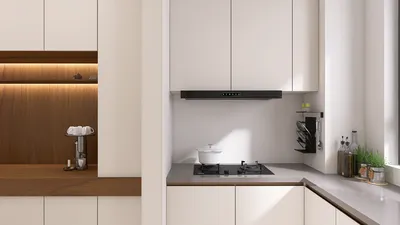
In a compact Cape, the kitchen excels with a U-shape or an L shape plus an island, maintaining 42-inch aisles for efficiency and wall cabinets extending up to 96 inches when ceiling height allows. Strategic pull-outs near cooking zones minimize movement, while a single-bowl sink with an integrated drainboard maximizes counter space. Under-cabinet lighting set to 300–500 lux enhances food preparation efficiency while ensuring pleasant ambient lighting. Proper venting for the cooktop lessens moisture under steep roofs, and durable surfaces like quartz or recycled-paper composite countertops combine longevity and sustainability in a modern design aesthetic.
Bedrooms in the Half-Story Design
The quintessential Cape Cod design includes a half-story tucked under a steep roof. I carefully position dormers to achieve at least 7 feet of clear height along major circulation routes and utilize the 3–4 foot knee walls for additional storage. Typically, I place the primary bedroom on the main floor for ease of access, while secondary bedrooms are positioned above. Acoustic comfort is prioritized; I specify resilient channels where possible and incorporate soft finishes—such as wool rugs, upholstered headboards, and lined drapery—to absorb sound. For thermal comfort, operable casement windows and ridge ventilation help maintain balanced attic temperatures.
Wellness-Centric Bathrooms
Efficient bathrooms embrace clarity: ensuring a minimum of 30 inches clear around the vanity, designing a shower that measures 60 inches by 36 inches where feasible, and utilizing pocket doors for unobstructed access. I advocate for high-CRI 90+ lighting while ensuring 300–500 lux at the vanity mirror. Humidity-resistant materials—including porcelain tiles, sealed stones, and moisture-proof paints—ensure durability in tight spaces. Introducing a skylight or dormer window can dramatically enhance a compact bathroom by flooding it with natural light and facilitating ventilation.
Streamlined Storage, Mudrooms, and Everyday Flow
Given the typical central positioning of Cape Cod entries, I create auxiliary mudrooms at the side or back, featuring benches, shoe storage, and hooks to keep dirt from entering the main living space while preserving the symmetrical façade. Integrated cabinetry along walkways—complete with drop zones, mail compartments, and charging stations—helps manage everyday clutter. Upstairs, I maximize every inch by incorporating built-in drawers in dormer alcoves while maintaining a tidy appearance.
Sustainable Materials for Longevity
Durable exterior finishes are crucial for adapting to the unpredictable coastal climate: fiber-cement siding, stainless materials, and rot-resistant trim extend maintenance intervals. Inside, opting for low-VOC paints and formaldehyde-free cabinetry contributes to better indoor air quality. For longevity, I often select metal roofing for the primary gables paired with wood shingles on dormers to achieve an appealing texture while ensuring balanced weight. Responsible wood sourcing and recyclable insulation materials align with environmental goals while respecting traditional aesthetics in design, as can be beautifully visualized using Homestyler.
Heating, Cooling, and Sound Management
Smaller homes require careful attention to ventilation to avoid stuffiness. Zoning HVAC systems and employing slim duct or mini-split setups correspond well to compact roofing designs. I include continuous exhaust fans in kitchens and bathrooms and consider Energy Recovery Ventilators (ERVs) for a fresh air balance. Soft furnishings and area rugs can help mitigate noise levels, while solid-core doors between living and sleeping areas maintain peace and quiet.
Furnishing Your Small Cape Cod Home
Proper scale is vital in furnishing. I select sofas with low-profile arms, compact tables with rounded edges, and stackable stools to ensure fluid movement throughout the space. In dining areas, a table width of 36 inches suffices for smaller households, while extendable options accommodate larger gatherings. Arranging furniture to align with the rhythm of windows and central lines accentuates the Cape’s symmetrical design without overwhelming the appearance of the rooms.
Typical Layout Options
- Main level featuring 1 bedroom plus a flexible space, with 2 additional bedrooms upstairs fitted with dormers
- Open living-dining arrangement complemented by a compact L-shaped kitchen and a pantry wall
- Secondary entry with a mudroom, laundry facilities, and a half bathroom
- Main floor primary suite to facilitate aging in place; with second bedrooms upstairs
- Optional screened porch that aligns with the main ridge to preserve the structure’s silhouette
Cost-Effective Detailing Choices
Compact footprints allow for higher quality finishes. I prefer straightforward trim styles, painted woodworking, and classic hardware choices. Keeping roof penetrations minimal protects the integrity of the building envelope. Utilizing modular cabinetry can reduce custom costs while achieving a refined appearance. Careful selection of windows—opting for double-hung or casement styles with divided-light patterns—maintains the classic Cape aesthetic while integrating modern efficiency, often best visualized using a tool like Homestyler.
Frequently Asked Questions
Most small Cape Cod designs range from 900 to 1,400 square feet, emphasizing efficient movement, dormer-enhanced bedroom spaces, and built-in storage along the knee walls.
Incorporate lower-sill windows in living rooms, and utilize skylights or dormers on upper floors. Layering shades with ambient lighting that maintains warm 2700–3000K values aligns well with WELL v2 illumination guidelines.
Certainly! Dormers enhance headroom, allow more daylight, and create additional storage opportunities. The design should carefully preserve roofline proportions and weather-proofing details.
Kitchens should feature U-shape or L-shape layouts combined with an island, keeping working paths at 42 inches, along with tall pantry pull-outs and effective under-cabinet lighting for a pleasant cooking environment.
Incorporating soft textures—like rugs, soft seating, and curtains—along with solid-core doors between active and sleeping areas can enhance sound control. Using resilient channels on bedroom ceilings is advisable where construction methods permit.
For main areas, warm neutral shades are ideal, with softer blues and greens in bedrooms promoting serenity. Pair these with low-sheen finishes to minimize glare and visual fatigue.
Absolutely. This approach supports aging in place, reducing the need to navigate stairs. Secondary bedrooms may occupy half-story spaces beneath dormers to provide privacy and maintain compactness.
Select low-profile and compact furniture pieces while ensuring main circulation pathways remain at 36 inches wide. Using an interior layout planning tool, like Homestyler, can help validate clearances and symmetry.
Materials such as cedar shingles or fiber-cement siding, along with rot-resistant trim and metal roofing on main gables, are effective. Utilizing stainless fasteners and proper flashing ensures durability.
Indeed! Preserving symmetry, utilizing divided-light windows, and opting for simple trimming while modernizing the interiors with efficient storage and layered lighting achieves a fusion of tradition and modern living.


Homestyler is your go-to platform for effortless home design. With its user-friendly online design tool, stunning 3D renderings, a wealth of design projects, and helpful DIY video tutorials, you can easily transform your living space into a beautiful reflection of your style.
Projete agora para LIVRE
































