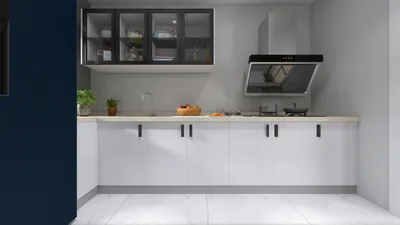


Creating a compact Indian kitchen requires meticulous attention to detail: every foot of space must be thoughtfully utilized. My focus is on ensuring smooth movement, ergonomic work areas, and selecting materials that withstand high heat, regular cooking, and humidity. In smaller urban homes, the concept of the golden triangle—stovetop, sink, and refrigerator—remains vital, though adjusted for shorter distances and utilizing vertical storage that is easy to reach. Research from Steelcase indicates that well-organized spaces can decrease cognitive load, enhancing task efficiency; this is particularly relevant in kitchens, where the aim is to minimize movement and streamline meal preparation. According to WELL v2 guidelines, controlling glare and incorporating focused lighting at countertops is essential for safe chopping and spice tempering.
Data-driven ergonomics greatly benefit small kitchens. Leveraging the WELL v2 Light concept, I incorporate well-lit task areas to enhance visual clarity; adding under-cabinet lighting of 300–500 lux with a cozy, neutral color temperature between 3000–3500K fosters a comfortable cooking environment while minimizing harsh glare. Steelcase's findings support the idea of reducing unnecessary movements by positioning tools and ingredients within easy reach to lessen physical strain during repetitive tasks. This approach helps maximize the efficiency of even a 5–7 ft galley kitchen.
Plan the Core: Zones, Reach, and Rhythm
To begin, I identify three distinct micro-zones: prep (featuring cutting boards, knives, and spices), cook (housing the stovetop and utensils), and clean (including the sink and waste disposal). In tighter kitchen spaces, a reach of 24–30 inches is ideal for items that are used often. To avoid unnecessary back-and-forth movement, place the prep area between the sink and stove. In a traditional Indian kitchen setup—sometimes featuring a pressure cooker, kadai, and tawa—the cooking zone should have heat-resistant surfaces and immediate access to utensils. If space allows, a wall-mounted spice rack in the prep area can significantly save drawer space.
Layout Strategies for Very Small Kitchens
For studio apartments and one-bedroom homes, a single-wall kitchen setup enhances efficiency, especially when paired with a foldable prep surface. If the layout permits, an L-shape design can utilize a corner for appliances or storage bins effectively. Galleys are flexible: maintain a minimum 36-inch aisle width for safe passage, increasing to 42–48 inches when two cooks are present. I utilize a room layout software tool to visualize circulation pathways and ensure that doors and drawers operate without obstruction, allowing the fridge to swing open comfortably across from the counter.
Storage: Emphasize Vertical Space, Modularity, and the Indian Pantry
Indian kitchens require ample storage for staples like atta, rice, pulses, and masalas, in addition to heavier cookware. To avoid cluttered shelves that are hard to navigate, I use shallow pull-out drawers (8–10 inches in depth) for spices and lentils. Overhead cabinets should be strategically divided: lightweight items placed higher, and heavier cookware kept at waist level. Adjustable shelves can adapt to store containers weighing between 1–5 kg. For corner storage, a D-shaped carousel is more efficient for pressure cookers compared to kidney-shaped options. Additionally, utilizing a rail system for ladles and skimmers maintains a tidy and splash-resistant cooking area.
Lighting and Glare Management
Effective task lighting transforms functionality in small kitchens. Installing under-cabinet LED strips within the 3000–3500K range enhances food color rendering while being gentle on the eyes. According to IES task guidelines, aim for lighting at 300–500 lux on work surfaces. Always diffuse the light source to eliminate hotspots on glossy surfaces. For single ceiling fixtures, opting for a semi-flush mount with a broad light beam and adding magnetic puck lights underneath shelves can enhance food preparation areas. Using matte finishes near the cooking surface can also help reduce glare.
Color Psychology and Visual Harmony
Compact, bustling areas perform better when paired with calming color schemes. Neutral tones—such as warm greys and muted sages—balance the vibrant energy of Indian cuisine. According to research by Verywell Mind, cooler shades can create a perception of spaciousness; therefore, I employ soft cool undertones for larger surfaces while sparingly using bold colors for small highlights—like a spice nook or accent trims. High-contrast patterns can visually shrink a space, so I prefer fine textures and smaller tile patterns for a coherent rhythm.
Durable Materials for Heat, Oil, and Moisture Resistance
Select backsplash materials near the stovetop that resist stains effectively, such as porcelain tiles or compact laminate. For countertops, quartz proves to be the most practical choice in smaller kitchens: it requires minimal upkeep, is heat-resistant when using trivets, and boasts consistent coloring that conceals blemishes. Cabinet fronts should feature high-quality laminate or acrylic finishes since these materials endure steam damage better than raw wood. I recommend matte or ultra-matte finishes in areas surrounding the stovetop to minimize visual distractions and glare.
Prioritizing Ergonomics and Safe Work Practices
Maintain a prep height between 34–36 inches for the majority of users; for shorter cooks, a height of 32–34 inches can minimize shoulder strain. The sink should promote neutral wrist positioning—consider installing a pull-out spray feature to reduce awkward reaches when cleaning large cooking vessels. Store heavy items in low cabinet drawers, assigning space for pressure cookers and grinders. Additionally, avoid placing open shelves above the stove to prevent oil accumulation and risky reaching over heat.
Acoustic Comfort in High-Activity Kitchens
In smaller spaces, appliances like grinders, exhaust fans, and dishwashers can create significant noise. Installing soft-close hardware and using felt pads under utensil trays can decrease clatter. If the kitchen is open to the living area, incorporating fabric runners and cork bulletin boards can help absorb sound while keeping recipes and lists conveniently accessible. Creating a quieter environment fosters a more relaxed cooking experience, particularly during busy meal prep times for celebrations.
Efficient Ventilation and Odor Control
Effective ventilation is critical. Utilize a chimney with substantial suction capability when frying—ducted systems are superior to recirculating models. To allow proper air circulation, maintain a slight window gap or use a trickle vent. If duct installation isn’t feasible, combine a strong recirculating hood with regular filter maintenance and ensure cross-breezes from adjacent windows or balcony doors.
Smart Appliances and Optimized Space Use
Compact appliances, such as 18-inch dishwashers, slim refrigerators, and 2–3 burner cooktops often fit better in limited spaces than their full-sized counterparts. A microwave-convection combo can free up counter space that would otherwise accommodate a separate oven. Opt for appliances featuring front-venting and compact door swings to avoid blockage. Magnetic knife strips and stackable stainless steel containers streamline the prep area, keeping it organized.
Safety Considerations: Heat, Oil, and Slip Resistance
Implement a backsplash behind and to the sides of the stove to manage splatter effectively. A Class K-rated fire extinguisher should be readily accessible yet positioned away from direct heat sources. Choose tiles with an R10–R11 slip rating, particularly important if you frequently handwash dishes. Ensure counter edges are rounded to prevent injuries in narrow pathways.
Micro-Dining Solutions for Tiny Homes
Consider introducing a fold-down table opposite the kitchen or a slim breakfast ledge situated beneath a window. A rolling cart can serve as both a serving table and a storage solution, folding away when not in use. If you meal-prep on weekends, one deep drawer should be dedicated to stackable containers along with labeled spice and lentil storage to simplify cooking during the week.
Utilizing Layout Simulation and Revisions
When space is limited, I simulate workflows and clearances digitally. A dependable interior layout planner allows me to explore aisle dimensions, appliance positioning, and swing arcs. I continue to refine my layout until the handoff from prep to cooking takes two steps or fewer, ensuring that transferring items from the knife to the wash area is efficient and straightforward.
Emerging Trends in Small Indian Kitchens for 2024–2025
Current trends in miniature kitchens reflect muted, warm color palettes accented with subtle metal finishes, integrated pull handles to keep visual clutter to a minimum, and space-efficient, energy-conscious appliances. Sustainable options—like low-VOC cabinets, LED lighting, and durable, long-lasting materials—offer resilience without sacrificing aesthetic appeal. There's also a growing inclination toward multifunctional furniture such as foldable pantries and magnetic organizers that transform vertical walls into useful storage solutions.
FAQ
Aim for a minimum of 36 inches for a kitchen designed for single-cook use; ideally, 42–48 inches is preferred for kitchens where two people often cook simultaneously.
Target approximately 300–500 lux illumination for the work surfaces, utilizing 3000–3500K LED strips to minimize glare and maintain accurate food colors.
A galley or single-wall kitchen design paired with a foldable prep surface tends to yield optimal performance, provided that appliances have unobstructed swing paths.
Store heavy items such as pressure cookers and grinders in bottom drawers fitted with sturdy runners; refrain from overhead heavy storage to mitigate risks and ease strain.
Porcelain tiles, compact laminates, or quartz countertops are easy to clean and can endure frequent tempering and frying processes.
Utilize shallow pull-outs or wall-mounted storage in the prep zone; label containers clearly and keep frequently used spices within an easy reach of 24–30 inches.
Absolutely. Matte or super-matte finishes help to reduce glare and maintain a visually calm space under bright task lighting and glossy cookware.
Combine a high-quality recirculating hood with regular filter maintenance and ensure air flow through windows or balcony doors for effective ventilation.
A slim refrigerator, compact 18-inch dishwasher, and a microwave-convection combo can help maximize counter space while supporting daily cooking needs.
Implement soft-close features, place fabric runners, and use small corkboards to dampen sound and lower noise levels in multifunctional areas.


Looking to transform your home design ideas into reality? Homestyler is your go-to online platform! With its user-friendly design tool, stunning 3D renderings, diverse design projects, and helpful DIY video tutorials, you can effortlessly create your dream space—no experience necessary!
Concevez maintenant gratuitement
































