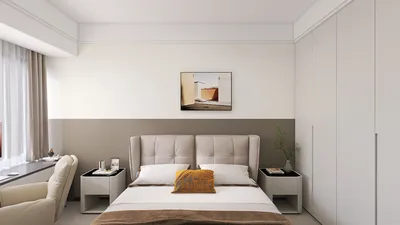


Maximizing corner shelving becomes essential in spaces where floor space is limited but aesthetics remain important. In living areas where every square foot counts, a well-designed corner shelf can effectively organize media devices, display art and greenery, and seamlessly blend into what might otherwise be a chaotic corner. Research supports this idea, with a report from Steelcase indicating that clutter increases cognitive load, affecting both focus and relaxation levels at home. By minimizing unnecessary visual distractions, you can foster a more tranquil environment that promotes ease in switching tasks. Additionally, ensuring the right lighting is key—IES guidelines recommend maintaining illumination levels between 150 to 300 lux in living rooms to achieve a harmonious balance of comfort and visibility, which allows shelves to be visible without causing glare on their surfaces.
The choice of colors also plays a vital role in setting the mood. According to insights from Verywell Mind on color psychology, warmer shades can evoke feelings of welcome, while cooler tones may instill a sense of calm and help visually enlarge a space—particularly useful in designing a cozy corner. Ergonomics should not be overlooked; research from Herman Miller emphasizes that reach areas and viewing angles are vital for daily comfort. In practical terms, this means positioning frequently used items within 24 to 60 inches of the floor and placing decorative pieces at eye level or slightly below to ease strain and enhance aesthetic readability. For further insights, reviewing resources from IES and Herman Miller can provide deeper context.
When crafting corner shelving, I employ a straightforward approach: prioritize traffic flow and then establish a vertical arrangement that naturally directs the eye upwards while avoiding any sense of overwhelm in the space. The effectiveness of a corner installation is determined by ensuring the depth and height of the shelf adhere to human ergonomic standards, the light temperature enhances the finishes, and the color scheme blends effortlessly with surrounding walls and furniture. To visualize the space and test different arrangements, utilizing a room layout tool, such as Homestyler, can simulate movement and visibility prior to making any physical alterations.
Key Principles for Corner Shelves
• Scale and proportion: In spaces under 180 sq ft, limit shelf depths to 8-10 inches to maintain fluid movement. For larger spaces, 10-12 inches accommodates books and medium-sized decor without being obtrusive. Adhere to a 1:1.6 vertical rhythm—if the bottom shelf starts 18 inches from the floor, set the second shelf at 28-30 inches and the third at 44-48 inches to create a pleasing flow without feeling congested.
• Visual balance: Treat the corner as a cohesive unit rather than separate, disjointed pieces. Choose to align shelf fronts for a sleek, geometric feel or stagger them slightly (up to 1 inch) to soften the architectural lines. Position the heaviest items on lower shelves for stability while tapering the size and weight as you move higher.
• Sightlines: Make sure the topmost shelf sits under the upper third of any adjacent windows or artwork to prevent visual conflict. If a television is recent, steer clear of reflective items in the primary viewing area to lessen glare.
Material Selections and Eco-friendliness
• Wood veneers and solid woods: Shades like walnut and white oak provide warmth and attractive grain patterns ideal for photography. Where feasible, opt for FSC-certified materials and select low-VOC finishes to safeguard indoor air quality. Ensure edge-banding matches the wood type and sheen to maintain a seamless look.
• Metals: Slim profiles and high durability can be achieved with powder-coated steel brackets; matte finishes help mitigate glare. Subtle accents like brushed brass or blackened steel can integrate well with your room's hardware.
• Composites and glass: Laminates are excellent for durability, particularly in family spaces. Low-iron tempered glass offers clarity and brightness, but necessitates careful lighting to avoid hotspots; pairing with diffused sources can be effective.
• Sustainability note: Emphasize modular systems that can be reconfigured, helping to extend their lifecycle and minimize waste. When the budget allows, choose responsibly sourced wood and recyclable metals.
Correctly Illuminating Your Corner
To create an inviting ambiance, aim for ambient light levels between 150 and 300 lux as recommended by IES, supplemented with layered accent lighting at 200-500 lux for key displays. Use warm white light sources in the range of 2700-3000K to accentuate wood and textiles. Position a dimmable sconce or adjustable spotlight 12-18 inches above the upper shelf and offset by 6-8 inches from the wall to enhance textures without the harshness of direct light. If opting for LED under-shelf lighting, select fixtures with a CRI of 90 or higher for precise color rendering and install glare shields to safeguard sightlines when seated.
Considering Ergonomics and Daily Use
Designate the 24-60 inch height range for frequently used items such as remotes, speakers, or a compact charging station. Heavier objects should rest between 24-36 inches to lessen lift exertion. Place the bottom shelf at least 12 inches above the ground to allow for easy vacuuming and prevent knee collisions in narrow pathways. In pet-friendly environments, consider leaving the lower area open or using boxes to safeguard decor.
Color Psychology and Styling Techniques
Align your shelf color to match the wall for a built-in appearance or choose a slightly darker shade to neatly frame decorative items. As per color psychology insights, calming greens and muted blues can create tranquility—implement these colors on vases or book covers to suffice the vibrancy of a busy space. Adopt a 60/30/10 color scheme: where 60% is dedicated to walls and major furniture items, 30% for the shelf structure and mid-tones, and 10% for accent pieces. Curate items based on material or color and vary their heights in thirds. Aim to keep 20-30% of each shelf empty to lessen cognitive burdens and provide visual breathing room.
Efficient Layout Strategies for Small Rooms
• Floating L-shelves: Excellent for compact spaces; securely mount them into studs while maintaining a depth of 10 inches. This provides a neat platform for a plant display or sculpture without obstructing seating areas.
• Ladder corner shelf: Its forward-leaning profile alleviates the visual bulkiness of the corner and is a fantastic option for renters, as it can stand alone while being secured to the wall with minimal installation effort.
• Column with concealed storage: Incorporate two open levels above a cabinet closed with a tambour or hinged door for storing games, routers, or cables, ensuring that the back panel is vented for electronics while allowing for a 2-inch cable chase.
As you explore options, test spatial allowances and pathways using an interior layout planner like Homestyler before making a purchase. Such a simulation tool can effectively validate reach, proximity to light sources, and glare from screens nearby.
Sound and Media Considerations
Corners tend to amplify sound quality. If a speaker is placed on a shelf, introduce rubber feet to decouple it, ensuring it is positioned at least 6 inches away from the wall to minimize boominess. Books and textured ceramics can serve as sound diffusers for mid- to high frequencies, subtly enhancing acoustic comfort. Avoid placing heavy glass decor too close to a TV as reflections can distract viewers.
Installation and Safety Precautions
Always anchor main brackets to wall studs; when that's impractical, use rated anchors suitable for the wall type. Standard weight limits for quality floating brackets range from 15 to 25 lbs per stud anchor, so confirm with the manufacturer’s specifications. Keep the center of mass positioned close to the wall and refrain from creating deep overhangs on higher shelves. If children will be present, consider using a discreet safety tether connecting the top shelf to a stud, avoiding accessibility to tools that could lead to climbing risks.
Common Styling Ideas I Frequently Employ
• Warm modern: White oak shelves paired with matte black brackets, linen-covered boxes, a warm 2700K picture light, and trailing pothos plants to soften harsh verticals.
• Gallery perch: Shelves painted to match the wall color, low-iron glass for framed photos, a standalone bronzed sculpture, and a meticulously curated monochrome palette that appears elegant rather than cluttered.
• Tech-integrated: A lower cabinet equipped with a cord grommet, an open middle shelf fitted for a small speaker with isolation feet, and a top shelf showcasing books and a ceramic bowl for remote storage—all illuminated by an adjustable track light.
Design Trends for 2024-2025
• Mixed tactility: Combine ribbed wooden edges with sleek metal brackets to enhance light effects without cluttering visuals.
• Earth-tone gradients: A movement in shelves and decor ranging from sandy shades to deep clay tones, encouraging soothing environments during evening times and transitions from day to night.
• Subtle biophilia: Arranging smaller plants in odd-numbered clusters placed below eye level to prevent blocking natural light while adding softness and vibrancy.
• Low-gloss finishes: Choosing satin and eggshell sheens to reduce glare during video calls and evening entertainment.
Measuring, Mockups, and Iterative Designs
Utilize painter’s tape to map out the corner: define shelf depths and heights, then assess sightlines from primary seating options. Capture photographs of the mockup from both seated and standing perspectives; this can swiftly highlight issues of crowding or reflection. If the room layout is yet undecided, a design visualization tool like Homestyler can facilitate iterative positioning for furnishings, lighting, and shelving without commitment.
Common Questions
Initiate the lowest open shelf approximately 18 inches above the floor for ease of cleaning. Position frequently accessed items between 24 and 60 inches high. The highest shelves should remain below the upper third of adjoining windows or art to uphold a serene visual arrangement.
In compact spaces, maintaining depths of 8-10 inches allows for circulation while accommodating books and decorations. In larger areas, up to 10-12 inches may be appropriate. Avoid depths exceeding 12 inches unless the corner is free of traffic, allowing for closed storage underneath.
Layer ambient lighting at about 150-300 lux combined with 2700-3000K warm white light. Integrate an adjustable light source or track head to spotlight displays at 200-500 lux. Select CRI 90+ LED lights to ensure accurate color representation and implement glare control when the shelves are near a TV.
Follow the 60/30/10 color distribution rule, organizing items by materials or tones, and leaving 20-30% of shelf space empty. Place heavier, darker items at lower levels while arranging smaller, lighter objects higher up.
Utilize powder-coated steel brackets alongside high-quality veneer or solid wood shelving for durability and visual appeal. Laminates are excellent for high-traffic family areas. Choose low-VOC finishes and FSC-certified woods where possible.
Yes, provided that speakers are decoupled using isolation pads and adequate airflow is maintained. Positioning equipment 6 inches from walls helps reduce resonance, and conceal cabling with a chase and grommet for a polished appearance.
Secure primary supports into studs or opt for weight-rated anchors tailored to your wall type. It’s crucial to distribute weight across multiple brackets and adhere to manufacturer load ratings, especially in homes with children.
Choose colors that mimic your wall for a built-in appearance that visually expands the space, or select a deeper hue to frame decorative items. Calming greens and muted blues are effective for creating a peaceful ambiance, particularly in busy family spaces.
Create mock-ups using painter’s tape and cardboard shapes to assess dimensions and heights. To rapidly explore various options, consider utilizing an interior layout planner for visualizing spatial dynamics and lighting effects.
Yes, they can indeed enhance visual aesthetics. Low-iron tempered glass works best when polished and combined with diffused lighting. Ensure that lights are placed strategically to avoid reflections from windows or screens.
What began as an Autodesk innovation has evolved into a design platform used by more than 18 million people around the globe. Homestyler combines powerful rendering, an intuitive editor, and a vast furniture library to help you turn inspiration into photorealistic designs — whether you're redesigning a single room or planning an entire home.
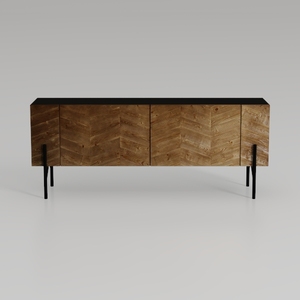
Modern Chevron Solid Wood Metal Sideboard 3D Model


Minimalist Mixed Wood Metal Wall Mounted Shelf 3D Model
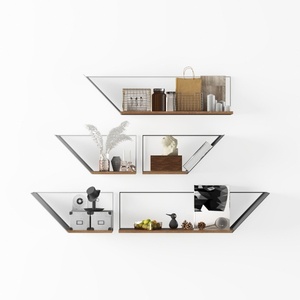
Modern Minimalist Solid Wood Metal Wall Mounted Floating Shelves 3D Model
Homestyler is your go-to online platform for transforming your home design dreams into reality. With its user-friendly design tool, stunning 3D renderings, and an array of DIY video tutorials, you can effortlessly create, customize, and visualize your space—perfect for both novices and seasoned decorators!
Design Now for FREE
































