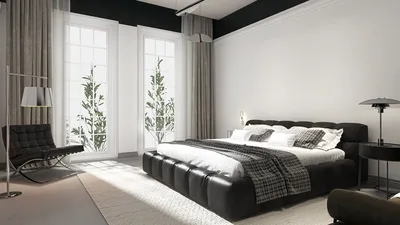


I have designed numerous compact bedrooms where two beds cohabitate harmoniously, be it sibling rooms or guest suites within limited urban spaces. The objective is to create an environment that feels serene, functional, and oriented towards human comfort — never cramped. A thoughtful layout can improve traffic flow, enhance lighting, and provide practical storage solutions.
In shared sleeping quarters, comfort plays a pivotal role in sleep quality. Research from Steelcase indicates that factors such as acoustics and environmental regulation significantly impact well-being, with noise being a primary dissatisfaction source in work settings; a similar concept applies to bedrooms, where controlling ambient sounds can enhance restful sleep. Furthermore, the WELL v2 Lighting guidelines suggest reducing glare and providing proper illumination for activities—aiming for around 300–500 lux on desks—allowing study areas to fit seamlessly next to beds without causing eye strain. For lighting choices, I prefer warm-white lighting in the range of 2700–3000K for relaxation, while task lighting stays cooler at 3500–4000K to help maintain focus. Soft blues and greens are noted by Verywell Mind as colors that encourage calm and lower stress, making a small shared room feel more restorative.
Studies by Gensler highlight the importance of flexible spaces as a catalyst for productivity; I adapt this principle for bedrooms by integrating multifunctional layouts and furniture — such as trundle beds, storage-equipped headboards, and collapsible desks. For efficient traffic flow between two beds, I utilize a room layout tool to ensure at least 750–900 mm of clear walkways. When faced with windows and doors jostling for wall space, I position beds against the longest uninterrupted wall and add vertical storage solutions to keep the floor space open.
Choose the Right Bed Combination
Using two twin beds provides a straightforward approach to symmetry; however, opting for two XL twins (80" in length) works well for taller teenagers without requiring additional width. If space is at a premium, a twin bed paired with a trundle unit efficiently maintains a compact profile during the day and expands at night. For rooms with taller ceilings, consider a bunk bed alongside a regular twin; I ensure there is at least 900 mm of space between the edge of the beds and the fronts of desks or wardrobes to avoid any collisions. For guest accommodations, a daybed with a trundle can appear more open and adapt easily.
Plan a Clear Movement Path
I position beds to create a clear path from the door to the window. In narrow layouts, two twin beds can be placed head-to-head along one long wall, freeing the opposite side for wardrobes and a shared desk. In square configurations, the beds can mirror each other on opposite walls with a slim shared nightstand in between. Using an interior layout planner helps verify door swings, drawers, and task areas; utilizing a Homestyler design tool to explore multiple orientations can help resolve potential pinch points.
Maximize Light and Minimize Glare
Natural light is beneficial, but it can lead to early-morning glare. I aim for layered lighting solutions, including ambient cove or ceiling fixtures, bedside task lamps equipped with glare reduction features, and small desk lights. Dimming capabilities are essential to meet circadian requirements. Position lighting fixtures out of line of sight when reclining; using low-gloss paints and matte finishes helps reduce reflections. Incorporating blackout shades alongside sheer drapes provides flexibility for naps and weekend mornings.
Utilize Vertical Storage Options
Underbed storage or lift-up platforms can replace a dresser in space-constrained rooms. Tall wardrobes with cubbies above the hanging area effectively use the upper wall space. Over-bed shelving should be kept shallow (150–200 mm) and secured with anti-tip hardware; I steer clear of placing heavy items above pillows. Storage headboards offer room for books and devices, allowing side tables to maintain a neat and streamlined appearance.
Create Functional Micro-Zones
Two beds need not divide the room in half. Consider establishing micro-zones: a shared reading corner with a wall sconce, a compact homework desk, and a tranquil area for mindfulness. A strategically placed area rug can visually connect each bed, maintaining rug edges between 200–300 mm under bed frames to eliminate trip hazards and unify the layout.
Color and Texture for Psychological Comfort
Soothing color palettes—such as muted blues, soft sage greens, and dusty mauve—help alleviate the emotional impact of small spaces. Employing a two-tone strategy, with lighter walls to reflect light and a slightly darker hue behind the headboards, adds depth without complicating the visuals. Research on color psychology from Verywell Mind suggests that blues induce calmness while greens promote renewal, making them ideal choices for shared sleep areas. Textiles matter as well: breathable fabrics like cotton or linen, acoustically softening wool throws, and blackout-lined curtains can help regulate light while contributing warmth.
Sustainable Material Choices
Opt for low-VOC paints and formaldehyde-free composite materials to enhance indoor air quality. Solid wood frames with FSC certification not only endure over time but also minimize the need for replacements. In children's rooms, choose removable and washable slipcovers for headboards along with stain-resistant fabrics. For durable flooring that supports comfort in bare feet, cork or engineered wood is an excellent choice for both acoustic comfort and aesthetics.
Soft surfaces contribute to a comforting atmosphere in shared rooms. Employing high-density rugs, upholstered headboards, and fabric curtains helps absorb mid-to-high frequency sounds that otherwise echo between walls. If one child is reading while another sleeps, consider adding a soft-close door, felt pads on furniture, and a small white-noise machine to mask interruptions.
Smart Furniture Dimensions
Keep bedside tables under 350 mm wide, inclusive of built-in charging options, to reduce clutter. For desks, a depth of 600 mm would suffice for a laptop and task lamp, ideally complemented with an adjustable chair that promotes a neutral posture—set the seat height around 410–460 mm for most teenagers. It’s crucial to maintain at least 600 mm clearance in front of wardrobe doors; if this space is limited, opt for sliding door systems to maximize usability.
Strategies for Ceiling Heights
For ceilings measuring 2.6 m or more, consider lofting a bed and placing a desk or lounging area underneath. Maintain at least 900 mm of headroom above the mattress to prevent a claustrophobic feeling. In spaces with lower ceilings, using a platform bed with lower legs can visually enhance height by showcasing more wall above the headboard.
Possible Layout Scenarios
- Narrow Rectangular: position two twins along one long wall, staggered by 300–450 mm to avoid conflicts with nightstands, wardrobes on the opposite side, and a desk by the window. Utilize a room design visualization tool like Homestyler to confirm how daylight reaches the desk.
- Compact Square: mirror two beds against opposite walls with a central shared storage unit; sconces at each bedside free up surface space.
- L-Shaped: nest a daybed paired with a trundle into the shorter leg, position a standard twin on the longer wall, and float a corner desk near the window to facilitate continuous movement.
Practical Tips from My Projects
Often, I select a prominent focal wall—textured paint or slatted wood behind the beds—keeping surrounding areas understated. I install all hardware with soft-close mechanisms to minimize nighttime disturbances, and I mark cable routes early on to avoid chaos after installation. When siblings keep differing schedules, I add a curtain rail to create a gentle divider around one bed, ensuring privacy without compromising on light.
Comfort Fundamentals Backed by Data
- Lighting: adhere to WELL v2 for layered lighting and glare reduction, aiming for task zones with illumination levels around 300–500 lux.
- Behavior: flexible layouts reflect Gensler’s findings that adaptability enhances satisfaction; this applies to movable desks and modular storage.
- Color: observations from Verywell Mind affirm that calming blues and greens are well-suited for small shared spaces focused on rest and stress relief.
Frequently Asked Questions
Q1: What’s the recommended orientation for two beds in a narrow room?
A1: Align two twin beds along the longest wall to allow opposite space for storage and a desk. Ensure a minimum clear path of 750–900 mm from the door to the window to avoid crowding.
Q2: Should I opt for bunk beds or separate twin beds?
A2: If you have a ceiling height of at least 2.6 m and require floor space, bunks are practical. Otherwise, two low-profile twins can create a more serene environment and offer easier access for younger kids.
Q3: How should I arrange lighting for both sleep and study?
A3: Implement a combined system of ambient dimmable lighting with bedside lamps that include glare-reducing features and dedicated desk task lighting. Aim for an illumination level of 300–500 lux at desks while using warmer ambient lighting in the range of 2700–3000K for relaxation.
Q4: What are the most effective storage solutions for small shared rooms?
A4: Utilize under-bed drawers, storage-integrated headboards, and tall wardrobes with upper compartments to maximize vertical space. Sliding doors can be a smart solution when clearance is limited.
Q5: How can I soundproof the room without extensive renovations?
A5: Introduce a thick area rug, upholstered headboards, fabric blinds, and soft-close fixtures. Utilizing a small white-noise machine can also help mask unexpected nighttime sounds.
Q6: Which colors contribute to a calming compact room atmosphere?
A6: Soft blues and greens are frequently linked with tranquility and renewal. Employ lighter shades on most walls and a slightly darker accent color behind the beds for visual depth without overcrowding.
Q7: What’s the recommended clearance space around beds?
A7: Maintain a clearance of 600–900 mm around bed edges whenever possible, ensuring at least 600 mm in front of wardrobes or desks. In narrower spaces, prioritize a main circulation path from the door to the window.
Q8: Is a desk feasible alongside two beds?
A8: Absolutely—select a desk with a depth of 600 mm and position it near the window for optimal natural light. If space is very restricted, consider a wall-mounted fold-down desk.
Q9: Are trundle beds suitable for regular use?
A9: They are excellent for hosting occasional guests or for siblings with different sleep schedules, but frequent pull-out functions can become cumbersome. Consider using XL twin beds for nightly use.
Q10: What strategies keep the room feeling spacious?
A10: Utilize low-profile bed frames, light color palettes, mirrored closet doors to reflect light, and limit tall storage to one wall to minimize visual clutter.
Q11: What materials should I prioritize for children’s rooms to ensure health?
A11: Use low-VOC paints, formaldehyde-free composite materials, and FSC-certified wood to lower indoor pollutants and ensure durability. Additionally, washable and stain-resistant fabrics make maintenance easier.
Q12: Do you have suggestions for creating sibling privacy without constructing walls?
A12: Consider installing a ceiling-mounted curtain track to create a soft divider for one bed area, adding personal task lamps, and using dedicated nightstands to establish boundaries.


Full XL Over Queen Bunk Bed with Full Length Guard

Rattan Shoe Bench with Cushion, 31" Shoe Bench
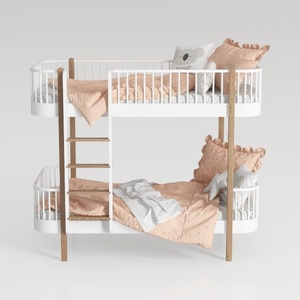
Giantex Twin Over Twin Bunk Bed, Solid Wood Bunk B
Homestyler is your go-to online home design platform! With its user-friendly design tool, stunning 3D renderings, and a wealth of design projects and video tutorials, you can effortlessly create your dream space and unleash your creativity, regardless of your experience level.
Diseño ahora GRATIS
































