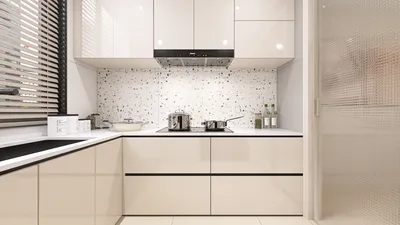


I specialize in crafting compact living rooms for clients who need to maximize every square inch effectively. A well-chosen small sectional can transform limited spaces, providing comfort while ensuring smooth circulation and a soothing visual focal point. The ideal dimensions for petite living rooms typically feature sectionals that measure between 72 to 96 inches wide and a chaise depth of 60 to 65 inches, accommodating seating for 3 to 4 individuals without overwhelming the area. Incorporating tools like Homestyler can greatly aid in visualizing these designs.
Effective space planning is guided by real benchmarks. For instance, WELL v2 highlights the importance of glare control and balanced lighting to enhance residential comfort, particularly in determining how a sectional's fabric and positioning interact with available light sources, which can help reduce visual fatigue. Research from Steelcase shows that varying your posture can enhance perceived comfort and lower physical strain during seated activities. This means that a sectional that supports different seating postures—ranging from upright conversation to relaxed lounging—will sustain comfort over extended use, aligning perfectly with the principles offered by Homestyler.
Optimizing Sectional Size for Limited Spaces
Begin by measuring wall-to-wall and ensuring there are clear walkways of at least 30 to 36 inches. In spaces smaller than 10x12 feet, a two-piece L-shaped sectional measuring between 84 and 92 inches wide with a chaise no longer than 64 inches is advisable. Opt for slim arm profiles (2 to 4 inches) and maintain seat depths of 20 to 22 inches to encourage upright sitting without crowding the back wall. Avoid bulky backs that are over 34 inches high; lower backs help maintain sightlines and reduce visual bulk.
If your layout requires testing before purchase, consider using an interior layout tool like Homestyler. This allows you to visualize and rotate potential layouts, check traffic flow, and simulate chaise positioning effectively.
Choosing the Right Configuration: L-Shaped, Chaise, and Apartment Scales
An L-shaped sectional with a single-arm chaise offers flexibility for corner seating and adaptable TV orientation. Apartment-scale modular sofas enable the addition of an armless middle seat later without substantially changing the overall footprint. A bump-back chaise, characterized by a shorter cushion ending in a tapered shape, enables easy movement while still providing a space for lounging. In elongated rooms, a bench-seat two-piece sectional helps avoid visual breaks, creating the illusion of a wider area. In square layouts, position the shorter leg along the main entry to maintain clear movement and avoid collisions.
Mood, Color, and Visual Serenity
Color psychology indicates that mid-tone neutrals, such as warm grays, sandy hues, and soothing sage, promote relaxation compared to more vibrant colors. Combine this with layered lighting: ambient lighting (2700-3000K) for warmth, task lighting for reading, and accent lighting to soften corners. Aim for moderate finish contrast to avoid amplifying glare—high-contrast upholstery on bright walls can increase edge reflections. Opt for matte or soft textiles to lessen shiny spots near windows. Position the sectional perpendicular to the primary source of natural light to encourage a balanced distribution of light without direct glare.
Ergonomics: Seat Design and Varied Postures
A seat height between 17 to 19 inches is ideal for most adults, allowing knees to rest at a neutral angle. Target a back pitch of 100 to 110 degrees for comfortable conversation. Utilizing mixed cushion densities—firmer at the front and softer towards the back—supports seating that encourages upright positions, while inviting lounging. Rounded front edges minimize thigh pressure; incorporating a lumbar pillow can help maintain spinal alignment while reading. Insights from Steelcase support designing spaces that include a chaise or ottoman for appropriate leg elevation without promoting slouching.
Materials and Sustainable Choices
In compact areas, the selection of materials becomes critically important. Durable performance fabrics with over 30,000 double rubs are less likely to wear out; breathable weaves enhance thermal comfort in smaller environments with limited airflow. Choose kiln-dried hardwood frames and low-VOC finishes that meet sustainability standards. For homes with pets or children, look for solution-dyed fabrics that resist fading and staining. The texture is crucial: a tight weave prevents the accumulation of crumbs and fur, while a subtle slub adds warmth without creating visual clutter.
Acoustic Comfort for Open Plans
In smaller homes, where living, dining, and kitchen areas often merge, a sectional can serve as a sound-absorbing component that minimizes mid- and high-frequency reflections. Enhance acoustics by adding a thick rug (at least 0.5 to 0.75 inches pile or high-density flatweave) and fabric window treatments to reduce echo. Avoid aligning hard surfaces directly across from the TV to prevent hotspots; slightly angle speakers and opt for upholstered ottomans instead of hard coffee tables to absorb sound. Creating a quieter environment will make small seating areas feel more intimate.
Spatial Proportions, Harmony, and Balance
Strive for a seating-to-negative space ratio of around 60:40 to provide enough seating to anchor the room while allowing ample breathing space. Repeat a particular design element—like leg style or piping—across various pieces to establish rhythm throughout the space. Balance visual weight effectively: if your sectional includes a chaise, counter it with a slender floor lamp or airy shelving on the opposite side, rather than another heavy seat. Center the coffee table 14 to 18 inches from the front of the seat to ensure easy access.
Layout Strategies for Micro Living Areas
- Corner focus: Position the sectional’s longer side against the longest wall; float the chaise towards the window for light access and views.
- Float and frame: Shift the sectional 6 to 8 inches from the wall to create shadow lines that enhance depth perception in the room.
- Diagonal adjustment: In tight square spaces, tilt the chaise slightly to redirect foot traffic and eliminate bottlenecks at the entryway.
- Dual alignment: If there’s a TV and a view, align the sectional with a slight angle; adding a slim swivel chair can complete the triangle without overcrowding the area.
To explore different design variations before making a commitment, consider using an interior layout planner like Homestyler to visualize clearances and balance effectively.
Styling and Accessories Without Overcrowding
Limit decorative pillows to 2 to 4 in varied sizes (18 to 22 inches) featuring subtle patterns. Select a nesting coffee table or a round ottoman to facilitate circulation. Wall art is best displayed in a tight grid or in a single large piece, rather than scattered small frames. A slim console positioned behind the sectional can hold lamps and conceal cable clutter without occupying additional floor space.
Design Trends for 2024–2025
Currently, compact modular pieces with hidden storage under chaise seats are in vogue, and low-profile legs are prevalent for a lighter look. Soft greens and muted terracotta tones are preferred for their calming qualities, and boucle textures are shifting towards tighter, more durable weaves ideal for smaller homes. There is an increased focus on sustainability with more brands offering recycled materials and FSC-certified frames.
Frequent Pitfalls to Avoid
- Avoid oversized chaises, as they can obstruct circulation routes.
- Steer clear of dark, heavily textured fabrics which may collect lint and intensify visual noise in compact areas.
- Be mindful of natural light direction—seating positioned towards harsh windows can cause squinting and exhaustion.
- Limit the number of side tables; opt for one flexible piece that can be relocated as needed.
Frequently Asked Questions
Aim for a total sectional width of 80 to 92 inches, chaise depth around 60 to 64 inches, seat depth of 20 to 22 inches, and maintain walkways at 30 to 36 inches.
Not necessarily. A bench-seat sectional combined with a light ottoman can provide leg support while remaining adaptable for guests.
Choose matte, mid-tone fabrics to minimize glare and pair them with layered lighting between 2700 and 3000K. WELL v2 highlights the importance of glare management and balanced lighting.
Target a seat height of 17 to 19 inches. This height supports neutral knee angles and allows for easier standing up without sinking excessively low.
Indeed. Backs measuring under 34 inches help maintain sightlines and lessen visual bulk, especially in areas with nearby windows or shelves.
Incorporate a thick rug, fabric curtains, and upholstered ottomans. Soft, porous materials help absorb reflections and minimize echo in open layouts.
Absolutely. Pulling furniture 6 to 8 inches away from the wall creates depth, enables effective cable management, and improves airflow around heating elements or vents.
A room design visualization tool like Homestyler can help monitor clearances, rotate chaise orientations, and simulate traffic patterns to prevent costly design errors.
Mid-tone greens, grays, and earth tones foster tranquility while minimizing visual clutter; overly saturated colors may feel chaotic. Refer to Verywell Mind’s insights on color psychology.
Yes, particularly if you plan to reconfigure in the future. Start with a two-piece sectional and add an armless middle or storage chaise when space or requirements change.
Opting for round or softly rectangular tables can decrease collisions with corners and help maintain a 14 to 18-inch reach from the front of the seats.
Two to four pillows are ideal. Variety in size is beneficial, but maintaining restrained patterns avoids visual upheaval and constant rearrangement.

Homestyler is an ideal choice for anyone looking to transform their space effortlessly. With its user-friendly online design tool, stunning 3D renderings, and a wealth of design projects and engaging video tutorials, you can easily explore your creativity and make your home dreams a reality.
立即免费设计
































