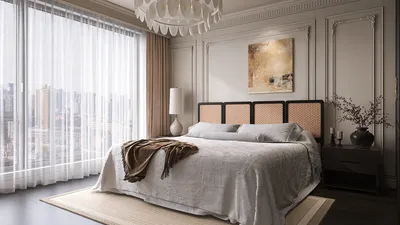


When planning a coastal getaway, it's essential to design small spaces with purpose. After a decade of crafting compact beachfront interiors, I've discovered that the distinction between a delightful retreat and a cramped holiday environment hinges on strategic daylight management, material selections, and effective micro-zoning. Research from Steelcase has shown that individuals experience enhanced well-being and engagement when they have access to natural light and scenic views—factors that can also be applied to vacation scenarios to alleviate stress and promote relaxation. By selecting a rental carefully and incorporating thoughtful features such as effective cross-ventilation, glare reduction, and durable, beach-ready materials, you can curate a serene and restorative stay aided by tools like Homestyler.
Comfort can even be quantified during your vacation. The WELL v2 framework highlights the importance of light exposure, color accuracy, and acoustic balance for occupant health, which is particularly pertinent for oceanfront accommodations. I always seek out rentals designed to maximize morning light and offer adjustable shading options to counter mid-afternoon glare; these aspects enhance circadian rhythms and alleviate eye strain. The Illuminating Engineering Society recommends maintaining task illuminance around 300–500 lux for reading purposes; in smaller living rooms, combining soft daylight with 2700–3000K lamps creates a cozy and functional atmosphere. Gensler's research on workplace satisfaction also consistently links quality daylight and views to enhanced occupant happiness, a principle I reference when evaluating coastal properties.
Choosing the Perfect Oceanfront Rental
Start your search by assessing light quality and airflow. Opt for corner units or cottages that feature openings on two sides for optimal cross-breezes. Check the window orientation in the listing photos or floor plans; east or southeast orientations welcome gentle morning sunlight while minimizing harsh afternoon glare compared to west-facing options. Inquire about the type of glazing used—low-E glass is beneficial as it limits heat gain without obstructing the beautiful ocean vistas. If available, use a room layout tool to run a swift spatial analysis based on the provided floor plan to check clearances for beds, dining layouts, and luggage areas before finalizing your reservation.
Optimizing Space in Small Beach Houses
Compact oceanfront homes thrive with layered living zones rather than segmented spaces. I like to divide the main area into three functional bands: a view band (featuring window seating or a reading nook), a social band (with a compact sofa and nesting tables), and a service band (like a galley kitchen with storage solutions). Introducing floating furniture such as armless loveseats and backless stools maintains clear sightlines toward the water. Choosing a single, large rug can visually unify the living and dining areas, helping to minimize clutter and facilitate movement. In tighter layouts, I leverage an interior design simulation tool to prototype traffic flows and test door operations, sofa beds, and luggage navigation.
Managing Light, Color, and Glare
Beachfront glare can swiftly diminish comfort levels. To create balance, consider employing dual-layer window treatments: sheer shades for diffusing light combined with blackout curtains for afternoon naps. Opt for lamps in the 2700–3000K range for evening use, alongside CRI 90+ for true-to-life color representation—this ensures that shades of skin and natural materials look their best. Position reading lamps 30–36 inches above seating and keep pendant lights 28–34 inches above dining surfaces. If a TV competes with window reflections, try rotating it perpendicular to the windows and introduce a soft backlight behind the screen to minimize eye strain.
Prioritizing Ergonomics in Small Spaces
When choosing dining chairs, I prefer a height of 17–19 inches with supportive backs, and I select counter stools that include footrests to help alleviate calf strain. In bedrooms, ensure there is at least 24–30 inches of space on one side of the bed; installing wall-mounted sconces with adjustable arms can maximize nightstand space and improve reading comfort. For remote work needs or brief productivity bursts, a 24–30 inch deep console desk paired with an ergonomic chair and task lighting provides a superior experience compared to squeezing onto a barstool. By adhering to ergonomic best practices, you can avoid discomfort during your holiday, especially after long journeys.
Enhancing Acoustic Comfort with Hard Surfaces
With the combination of ocean sounds, wind, and hard flooring, noise levels can build up quickly. To mitigate this, layer textiles strategically: a dense wool-blend rug in living spaces, lined curtains, and upholstered headboards can help absorb nighttime sounds. For small sleeping areas, aim to dampen at least two larger surfaces, such as the floor and one wall. Implementing soft-close cabinetry and using felt pads under chairs can quiet late-night movements. If your rental is part of a duplex, try to position sleeping areas as far from shared walls as possible.
Durable Materials for Salt and Sand
Coastal durability is best achieved with materials that age gracefully. I favor performance fabrics that resist stains for sofas and benches, outdoor-grade cushions for porches, and powder-coated aluminum or teak for durability against salt air. In kitchens, quartz or sealed stone withstands citrus spills and sunscreen residue effectively. Porcelain tiles with textured surfaces are ideal in bathrooms to prevent slips post-swim. Ensuring the entry area is practical—with a ribbed doormat, a sandy boot tray, and a bench featuring hidden storage—protects the home’s interior while making turnover easy for hosts.
Color Psychology for a Peaceful Atmosphere
Choosing soft neutral tones paired with subdued sea colors—such as sage, fog blue, and sand—can visually expand small spaces and create a calming effect. Adding accents of terracotta or sun-bleached coral can inject warmth without overwhelming the visual experience. In small bedrooms, applying a ceiling color that is a half-tone lighter than the walls can increase the perception of height; utilizing matte finishes can mask texture and dampen glare from intense coastal sunlight. The direction of color should reflect the external environment for a cohesive aesthetic.
Maximizing Outdoor Living with Micro-Zones
Even a slender deck can accommodate three distinct micro-zones: a coffee area for sunrise, a shaded corner for reading, and an evening dining space ideal for two. Choose foldable sling chairs alongside a drop-leaf bistro table, and include solar-powered lanterns for a gentle ambiance. If the beach is nearby, consider adding a wall-mounted surf rack and an outdoor rinse-down shower to keep your indoors neat and make quick resets easy between guests.
Prioritizing Safety and Wellness at Night
Proper night lighting is crucial to prevent trips after sunset strolls on the beach. Incorporating motion-activated plug-in lights along the pathway from bedroom to bathroom will enhance safety. Ensure that stair riser heights are uniform and highlight both the top and bottom treads with discreet LED lighting. In children’s spaces or lofts, safeguard with guardrails and limit bunk heights in areas with low ceilings. If you're conscious about indoor air quality, don't hesitate to ask your hosts about their cleaning products and ventilation systems; having screened windows equipped with ceiling fans can decrease dependence on air conditioning while keeping comfort levels high.
Smart Booking Essentials
- A clear floor plan or comprehensive room photos showing window orientations
- Curtains or shades that can be adjusted in living and sleeping areas
- Seating arrangements that accommodate the maximum number of guests plus two additional spots
- A machine-washable rug and a vacuum cleaner available for sand maintenance
- Protected outdoor storage for surfboards, strollers, and beach equipment
- Adequate night lighting and dimmable options in primary spaces
- At least one workspace equipped with a task lamp and accessible power outlets
- Evidence of recent maintenance: well-sealed decks, rust-proof hardware, and intact screens
Travel-Ready Styling Tips
Pack lightweight accessories that can enhance any rental space: a cotton throw blanket for the sofa, a portable Bluetooth speaker for creating a mild atmosphere, and a small reed diffuser with a soft marine or citrus scent. These personal touches contribute to a cohesive environment without overwhelming the existing decor and help to establish a sense of home from day one.
Frequently Asked Questions
For optimal reading conditions, aim for 300–500 lux, supplemented with a 2700–3000K lamp in the evening. This adheres to standard IES recommendations and helps minimize eye strain.
East or southeast orientations provide soft morning light while keeping afternoon heat manageable. In contrast, west-facing walls frequently require robust shading to manage glare and warmth.
To minimize noise, layer a heavy rug, lined curtains, and at least one upholstered item. Additionally, using felt pads beneath chairs and implementing soft-close hardware can further reduce impact sounds.
Warm lighting in the 2700–3000K range fosters a relaxing environment conducive to melatonin production post-sunset, in line with natural daylight cycles.
Opt for armless chairs with a seat height of 17–19 inches, a round table for smoother circulation, and a pendant light suspended 28–34 inches above the tabletop to maintain clear sightlines.
Materials such as powder-coated aluminum, teak, marine-grade hardware, performance fabrics, and quartz or sealed stone surfaces consistently perform well in salty, humid atmospheric conditions.
Request a floor plan and utilize a room design visualization tool to verify space requirements. Confirm that you can navigate door swings, bed access, and suitcase paths in entry areas and bedrooms before booking.
Establish a system at the entry: an outdoor shower or foot rinse, a ribbed mat, a boot tray, and a bench with concealed storage. Keep a handheld vacuum nearby for quick cleanups.
Implement a soft, low-contrast color scheme, mount sconces to liberate nightstand space, and select a headboard with rounded edges to enhance safety in tight areas.
A 70–76 inch armless loveseat featuring slender arms can provide comfortable seating without obstructing views. Pair it with nesting tables instead of a bulky coffee table for added flexibility.
Designate spaces for sunrise coffee, shaded reading, and evening dining with foldable seating, a compact bistro table, and solar lamps. Store cushions in a weather-resistant box to prolong their lifespan.
Utilize a slim console desk (24–30 inches deep), along with an ergonomic chair and task lighting. Set up your workspace in a way that minimizes glare; consider packing a portable laptop stand and mouse for ease.


Homestyler is your go-to online home design platform, perfect for both newbies and seasoned designers. With its easy-to-use design tool, stunning 3D renderings, and a wealth of DIY video tutorials, transforming your home into a personal oasis has never been simpler or more enjoyable!
Design Now for FREE
































