

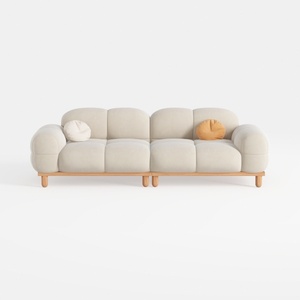
A tufted sofa has always been a favorite of mine, serving as a perfect centerpiece for a living room—it's well-structured yet inviting, classic yet versatile. This well-designed tufted piece provides a visual harmony that coordinates color, texture, and movement throughout the space. Beyond mere aesthetics, it plays a crucial role in enhancing how people come together, converse, and unwind.
The arrangement of furniture and the quality of lighting are just as significant as the fabric selection. According to the Illuminating Engineering Society's guidelines, typical living areas thrive with layered lighting that provides about 100–300 lux for ambient tasks, allowing accent lighting to create a cozy atmosphere without any harsh glare. Additionally, studies on color psychology indicate that soft neutral tones can calm the senses while saturated colors can invigorate the space—Verywell Mind emphasizes that blue hues evoke serenity and greens help achieve balance—thus, your color choices will reinforce the desired ambiance. I also take into consideration the WELL v2 recommendations, which suggest that glare control and adjustable lighting can greatly alleviate visual discomfort and support our natural body rhythms.
From a behavior perspective, Steelcase's research highlights that the arrangement of seating significantly affects the flow of conversation; set angles between 90 and 120 degrees foster natural eye contact and mitigate the uncomfortable feeling commonly associated with formal interviews. For a lively gathering, it’s best to place the tufted sofa next to a lounge chair at a slight angle rather than facing it directly—this approach softens the interaction dynamics while maintaining clear pathways for movement. When planning your space, utilizing a room layout tool can assist in evaluating distances around coffee tables, clearance for side tables, and the sightlines to media or artwork.
Selecting the Ideal Tufted Style
When it comes to tufting, button tufting conveys a more traditional aesthetic, while channel tufting leans towards a modern look, adding a calming linear effect. Deep diamond tufting creates a plush feel, but it may visually bulk the silhouette; I tend to balance this by incorporating slim legs or a narrow-arm design to avoid a heavy appearance. In smaller spaces, a bench-seat tufted sofa with compact back cushions can help maintain clean lines and lessen visual clutter.
Scale, Proportion, and Spatial Flow
Getting proportion right is essential. Ideally, the length of the sofa should measure approximately two-thirds to three-quarters of the main wall’s width, and there should be a comfortable 16–18 inches between the sofa front and the coffee table for easy access. Side tables should ideally match the height of the armrests, staying within 2–3 inches to ensure convenience. I find it helpful to create a rhythm within the design: combine vertical elements (like a floor lamp and a plant), horizontal surfaces (the sofa seat and a console table), alongside a gentle curve from an arched mirror to soften the overall layout.
Lighting Conditions: Layered and Inviting
Begin with diffuse ambient lighting—consider ceiling or cove fixtures—then supplement this with task lighting in reading areas, and finish with accent lighting such as sconces or picture lights to highlight wall textures. Aim to keep the color temperature around 2700–3000K to foster evening warmth; allowing for dimming capabilities can help maintain 100–300 lux across different zones without stark contrasts. Be mindful of glare when using tufted leather—diffusers and indirect light sources can mitigate glaring reflections.
Understanding Color Psychology and Materiality
Tufting naturally introduces the concept of micro-shadows; consequently, darker fabrics gain richness while lighter materials appear more airy. To create a calm environment, opt for muted blue and green tones, grounding them with walnut or ebonized wood. For a pop of color, a camel leather tufted sofa combined with indigo throw pillows infuses energy into the space without feeling overwhelming. Insights from Verywell Mind regarding how blue promotes relaxation influence my choices for evening color palettes, whereas green helps maintain a restorative atmosphere in multi-functional areas.
Ergonomics and Comfort Considerations
An ideal seat depth of approximately 20–22 inches accommodates most body types, and adding lumbar pillows can enhance comfort against the firmer back of tufted designs. If the sofa serves as the primary reading area, positioning a floor lamp with a forward throw along with a side table that is 24–26 inches in height can help maintain an ergonomic posture. Keep in mind that heavily tufted upholstery might trap heat; opting for breathable linen blends or performance velvet fabrics with moisture control can be beneficial in warmer climates.
Achieving Acoustic Balance
Tufted sofas effectively absorb mid-range sound frequencies, while leather surfaces tend to reflect more sound compared to fabric. To reduce echo, consider layering a thick area rug (with a minimum of a 0.5-inch pile or a flat-weave complemented with a thick pad), drapes, and bookshelves. Using smaller, hard coffee tables paired with a soft ottoman can prevent sharp reflections near the seating area.
Natural Layout Strategies
To facilitate conversation-oriented spaces, position the tufted sofa as a central piece, floating it within the room, and using a console behind it to define circulation pathways. In media rooms, angling the sofa 5-10 degrees toward the screen can help avoid neck strain while preserving symmetrical sightlines to artwork or windows. If you’re exploring various arrangements, utilizing an interior layout planner can greatly simplify the visualization of scale, pathways, and balance prior to rearranging heavy furniture.
Opt for elevated legs on your sofa to open up the floor area and enhance the perceived spaciousness. Employ nesting tables to adjust surface area according to the number of guests. A channel-tufted loveseat, when paired with a swivel chair, offers flexibility in conversation arrangements while promoting smooth flow throughout the area.
Creating Conversation Zones
Grouping a tufted sofa with two lounge chairs and a stylish credenza can create an inviting conversation area, while introducing a secondary reading nook with a chaise or daybed. Repeating colors or finishes—like brushed brass on a lamp and coffee table—helps to connect different areas harmoniously without imposing strict symmetry.
Styling Your Tufted Sofa
To achieve a well-rounded look, balance the texture of the sofa with smoother accents such as lacquer trays, glass lamps, or polished stone. Varying pillow sizes (20-, 22-inch, and lumbar) adds depth and comfort, while throws should provide a contrast in texture—nubby boucle with leather or crisp percale against velvet—to avoid a monotonous fabric selection.
Sustainability in Design
Select kiln-dried hardwood frames, preferably those certified by the Forest Stewardship Council (FSC), and high-resilience foam bolstered with low-VOC adhesives. Performance fabrics containing recycled materials are ideal for withstanding daily wear. If you prefer leather, seek hides from responsible sources and tanneries that minimize chemical use; utilize balsem-free conditioners to maintain the leather's patina over time.
Practical Pairings I Embrace
- Camel leather tufted sofa paired with indigo pillows, walnut coffee table, and brass picture lighting.
- Charcoal velvet diamond tuft with oak legs, accompanied by linen drapes and warm 2700K table lamps for a calming evening vibe.
- Softer pale sage channel tuft set with matte black accents, a jute rug, and lush green plants for a biophilic touch.
Planning Assistance and Visualization
Before you finalize your layout, utilize a simulation tool to visualize chair angles, rug sizes, and table placements. This will quickly reveal if your tufted piece overwhelms or successfully anchors the room, and highlight any adjustments needed in lighting or storage to enhance daily usability.
Frequently Asked Questions
Q1: What size rug is recommended for placement under a tufted sofa?
A: Ideally, ensure the front legs sit on the rug with 8–12 inches extending beyond the edge of the coffee table. In larger settings, opt for a rug that allows all seating to be fully on it for optimal acoustic and visual integration.
Q2: How can I illuminate a tufted leather sofa without causing glare?
A: Utilize diffused light fixtures, indirect floor lamps, and wall washers. Maintain a color temperature in the range of 2700–3000K and avoid directing bare bulbs at the seating area.
Q3: Which is better for families with children, fabric or leather?
A: Performance fabrics are often stain-resistant and more breathable. If opting for leather, select semi-aniline types for their durability and promptly clean spills to avoid marking the tufting.
Q4: What is the ideal coffee table height to pair with a tufted sofa?
A: Aim for a table height of 16–18 inches, matching or slightly below the height of the sofa seat. Maintain a distance of 16–18 inches for comfortable accessibility.
Q5: How can I modernize a traditional tufted sofa design?
A: Pair it with sleek, contemporary pieces: slim metal lamps, minimalist art frames, and a channel-tufted bench or linear shelving to balance the classic tufted details.
Q6: What are the most calming colors to use around tufting?
A: Muted blues and greens are typically linked with relaxation and equilibrium; combining these with warm neutrals and soft lighting enhances the overall atmosphere.
Q7: Is tufting suitable for smaller living spaces?
A: Absolutely—select tight-back designs, raised legs, and lighter fabrics. Maintain a cohesive color scheme while avoiding oversized rolled arms to keep the visuals light and airy.
Q8: How do I avoid a cramped feeling in a room?
A: Float the sofa with proper pathways (30–36 inches), choose a narrower coffee table, and opt for swivel chairs to facilitate movement. Prior to purchasing, use a digital planner to assess spacing.
Q9: What accessories best complement tufted textures?
A: Smooth trays, glass lamps, and stone or ceramic accents work beautifully. Introduce a single contrasting textile—such as a boucle throw—to provide a dynamic contrast without competing with the tufted fabric.
Q10: Is channel tufting more comfortable than diamond tufting?
A: Generally, channel tufting offers a smoother experience against the back and distributes pressure evenly, while diamond tufting provides a more structured feel. Pairing either style with lumbar cushions enhances overall support.
Q11: What is the best seating arrangement for encouraging conversation?
A: Position lounge chairs at an angle of 90–120 degrees to the sofa to promote eye contact and an easy-going posture; keep side tables accessible to minimize disruptions during conversation.
Q12: What sustainable options should I consider for my sofa?
A: Look for frames certified by FSC, performance fabrics made from recycled sources, and low-VOC finishes. Properly maintaining these materials can extend their lifespan and reduce the need for replacements.


Homestyler is your go-to online platform for effortless home design. With its user-friendly design tool, stunning 3D renderings, a variety of design projects, and helpful DIY video tutorials, turning your vision into reality has never been easier. Start creating your dream space today!
تصميم الآن مجانا
































