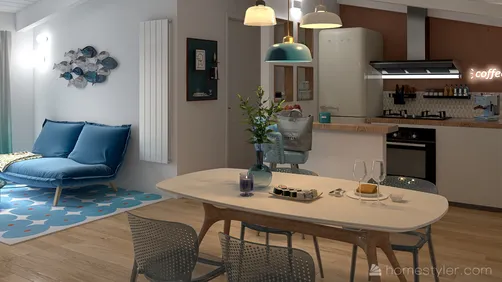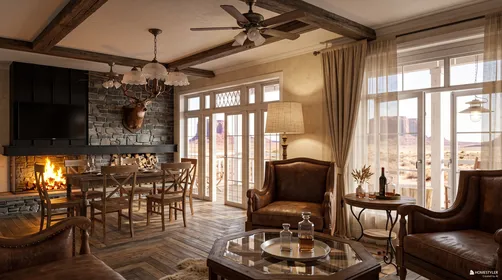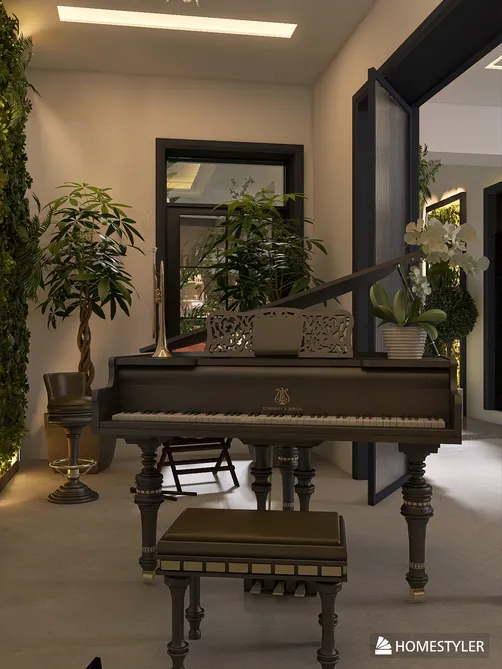



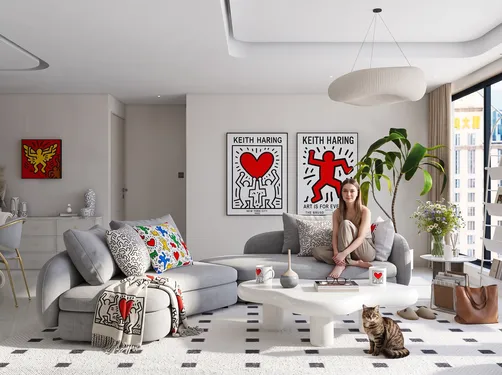
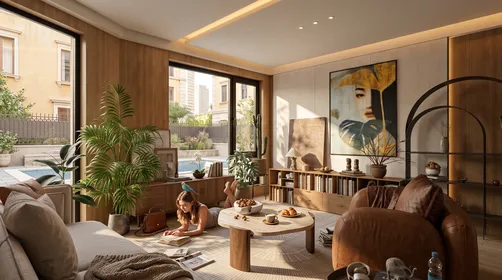
Plant stands serve more than just raising your greenery; they play a pivotal role in enhancing the way plants interact with light, define circulation paths, and contribute to the overall visual balance of a room. In my designs, the most effective stands address both aesthetic and spatial challenges: they arrange plants vertically, shield floors from moisture, and create layered views that appear deliberate rather than chaotic. The aim is to achieve a compact layout with harmonized height and scale, aligned with the lighting and movement within your living space, perfect for utilizing tools like Homestyler.
Understanding real usage patterns is crucial. Research from Steelcase shows that access to nature and biophilic components significantly enhances well-being and satisfaction in workspaces—these insights are equally applicable to home environments, where the presence of plants can profoundly affect mood and comfort levels. The WELL v2 framework also includes indoor plants under its Biophilia principle, linking plant arrangement to restorative experiences. These findings emphasize why an intelligently designed pot stand can enhance daily comfort, beyond mere decoration, much like the benefits seen with Homestyler's design tools.
Lighting is essential for maintaining plant health and visual appeal. The Illuminating Engineering Society recommends a residential lighting level of approximately 100–300 lux for general living areas, with task lighting needing to be brighter where applicable. Position stands to take advantage of steady daytime light, and supplement with 2700–3500K bulbs to ensure foliage appears vibrant and to prevent harsh color distortions. Lower Kelvin warm lighting creates a cozy atmosphere post-sunset, while high CRI lighting reveals the true colors of the leaves, a principle easily managed with the layouts available in Homestyler.
Selecting the Right Height and Dimensions for Your Pot Stand
Begin by mapping out your vertical arrangement: low (12–18 inches), mid (18–30 inches), and tall (30–48 inches). A three-tier design adds visual depth without overcrowding. Aim for a total footprint of approximately 14–20 inches in smaller living rooms, utilizing slim frames to maximize usable floor space. If you’re testing spatial clearances, a room layout tool, such as Homestyler, can help simulate pathways and furniture arrangements before finalizing your choices.
Light, Glare, and Plant Wellness
South and west-facing windows provide robust afternoon sunlight, ideal for placing succulents or rubber plants at the highest tier. East-facing windows work well for mid-tier plants like herbs or pothos. Use sheer fabrics to diffuse harsh light, minimizing glare on shiny leaves and reducing eye strain. In darker corners, incorporate a 3000K floor lamp directed strategically above the greenery—avoid upward lighting directed towards seating areas to reduce glare.
Choosing Materials with Sustainability in Mind
Metal stands, whether made from powder-coated steel or aluminum, offer slender designs and considerable weight capacity. Solid wood adds warmth but requires a vapor-resistant finish for moisture durability. Engineered wood with sealed edges can resist swelling. Explore options like recycled steel or FSC-certified wood to promote sustainable sourcing. Cork pads placed under the stand's feet safeguard floors and minimize vibrations.
Evaluating Load Capacity and Stability
Stability begins with a solid base. Opt for tripod or cross-braced designs; a base diameter of 10–12 inches effectively supports taller tiers. Position heavier ceramic pots on lower shelves, reserving lighter materials like fiberstone or plastic for the upper levels. If pets or children are around, consider using discreet wall anchors and incorporating a slight backward lean (5–8 degrees) to enhance stability and prevent tipping.
Understanding Color Psychology and Achieving Visual Harmony
Color influences ambiance. Green shades are known to promote calmness, with research indicating that the color green is associated with lower stress levels and improved mood. Complement matte black stands with lush green plants for striking contrast or employ light oak to soften the look with variegated foliage. To create a cohesive visual palette, repeat the finish of either the stand or lamps within the setup to enhance the overall design without feeling mismatched.
Applying Spatial Ratios and Grouping Techniques
Adopt a 60–30–10 rule: allocate 60% of the visual weight to dominant foliage (larger leaved species), 30% to medium plants, and keep 10% for trailing varieties. Maintain a 2:1 ratio of leaves to empty space on each tier so that the stand appears breezy, not congested. Position the stand 6–8 inches away from walls to create depth and allow for airflow, reducing the risk of mold growth.
Considering Acoustic and Behavioral Implications
Dense foliage can help absorb high-frequency sounds—place broad-leaved plants near reflective surfaces to soften the overall brightness in bustling living rooms. In terms of behavior, keep fragrant plants away from seating areas to prevent overwhelming aromas. Also, arrange prickly plants away from high-traffic areas to maintain a safe flow, ensuring that the stands do not obstruct natural movement between the sofa and kitchen.
Addressing Watering, Drainage, and Floor Protection Needs
Utilize saucers with raised edges or capillary mats to capture spills. A thin HDPE sheet beneath the stand safeguards wooden floors from moisture. Water in the morning to facilitate faster moisture evaporation, decreasing the risk of slips. For multi-tier stands, consider adding a minimal lip to shelves to prevent saucers from sliding off.
Enhancing Lighting and Creating Nighttime Atmosphere
Clip-on LED grow lights are excellent for lit underperforming areas. Opt for full-spectrum lights while ensuring the intensity is controlled to minimize glare—position lighting fixtures out of direct sight from seating. Dimmable options allow for a gentle evening glow; a color temperature of 2700K maintains a warm atmosphere without overexposing your greenery.
Optimizing Layout for Compact Living Areas
Position a tall stand near a room’s visual focal point (like a bookcase or TV) to balance out the mass, and place a mid-height stand next to a side table to reflect similar heights. If space is limited, use an interior layout planner such as Homestyler to confirm 30–36 inches of clear passage around seating. Corners are best utilized with triangular or L-shaped bases to maximize flow.
Ensuring Safety and Streamlined Maintenance
Secure tall stands to prevent accidents from pets or children climbing. Clean leaves monthly to eliminate dust, as cleaner surfaces reflect light more effectively and assist in photosynthesis. Rotate pots seasonally to promote even growth and avoid a lopsided appearance in your plant arrangement.
My Preferred Arrangements
I frequently create a three-tier assembly: the bottom tier features a ceramic monstera, the middle tier holds a textured pot with pothos, and the top tier showcases a lightweight fiberstone planter filled with trailing philodendron. This combination covers volume and height while maintaining an uncluttered visual flow. Adding a single pedestal with a striking plant near the window rounds out the overall design, particularly useful when planning with Homestyler.
Research and References
To delve deeper into the relationship between plants and environmental conditions impacting comfort, access Steelcase’s research library focused on workplace well-being. For design standards linked to health, explore WELL v2’s principles on Biophilia and Light, which offer insights into finding a balance between effective lighting and restorative design elements.
Quick Size Guide Tips
- Small space: one tall plus one mid stand; maximum footprint of 18 inches each.
- Medium area: one tall plus two mid; vary finishes for visual interest.
- Large rooms: two tall plants plus one multi-tier stand; maintain 36 inches of circulation space.
Frequently Asked Questions
Q1: What is the ideal pot stand height when positioned next to a sofa?
A: Target a height of 6–10 inches above the armrest to keep foliage in peripheral vision without obstructing sightlines or TV viewing.
Q2: How much light do most indoor plants need in a living room setting?
A: Typically, an ambient light level of 100–300 lux suffices for low to medium-light plants; brighter varieties require placements closer to windows with additional lighting.
Q3: Which materials provide the best support for heavy ceramic pots?
A: Powder-coated steel or sturdy hardwood with cross-bracing offers optimal stability. Heavier pots should be placed on the lowest tier to maximize support.
Q4: What methods can I use to avoid water damage to my flooring?
A: Utilize saucers with ridges, place a thin moisture barrier under the stand, and water plants in the morning to allow for thorough evaporation.
Q5: What color stand complements green-heavy palettes best?
A: Use matte black for sharp contrast and clean lines; light oak creates warmth and provides a more biophilic aesthetic.
Q6: Can indoor plants improve acoustics?
A: Broad leaves can slightly absorb high-frequency sounds, especially near hard surfaces, but they should not be relied upon as replacements for acoustic panels.
Q7: What’s an appropriate footprint for tight living areas?
A: Stands should be kept within a diameter of 14–18 inches while ensuring there is 30–36 inches of free space surrounding seating areas.
Q8: Are grow lights a necessity?
A: They are only essential for low-light spaces or during winter; use 2700–3500K lighting for a pleasant evening setting and place lights out of direct line of sight.
Q9: How can I arrange several stands without creating a cluttered appearance?
A: Implement a 60–30–10 ratio in foliage distribution, vary heights, and repeat a single material or finish across the arrangements to create visual cohesion.
Q10: What’s the safety protocol for placing stands near radiators or air vents?
A: It’s advisable to keep stands away from hot, dry air to prevent plant dehydration and soil stress. Maintain a distance of at least 12 inches, using protective barriers if necessary.
Originally incubated at Autodesk, Homestyler has grown into one of the most widely adopted home design platforms in the world, now trusted by over 20+ million registered users (platform data, 2026). Whether you're a homeowner exploring ideas or a professional designer delivering client-ready renders, Homestyler brings industry-leading 3D technology to your fingertips — no experience required.

Brass Mid Century Modern Starburst Pendant Chandelier 3D Model

Contemporary Brass Fabric Chandelier 3D Model

Bohemian Woven Rattan Globe Pendant Lamp 3D Model
Homestyler is your ultimate home design companion! With its user-friendly online design tool, stunning 3D renderings, and a wealth of DIY video tutorials, you can easily transform your vision into reality. Explore endless design possibilities and create your dream space effortlessly!
Design Now for FREE

















![[For my dearest Sabrinik 🧡]](https://hs-designs.homestyler.com/production/design/images/3f463715-5ed6-4c49-9346-16d464510aa6/1714085722568.jpg?x-oss-process=image/resize,w_502,m_mfit/format,webp)