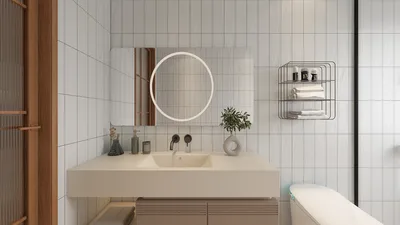


Daybeds are an excellent choice for compact spaces, serving dual purposes: providing a place to sit during the day and a comfortable sleeping area at night. This versatility is especially valuable in small homes and multifunctional rooms. According to research by Gensler, individuals spend 30-40% of their time engaged in collaborative and social tasks at home, making flexible seating a necessity rather than a luxury. Additionally, Steelcase reports that environments that accommodate various postures can alleviate physical stress and enhance comfort throughout the day. A thoughtfully selected daybed fulfills both of these requirements by delivering lounge comfort while being ready for guests in an instant.
Product performance extends beyond just structure. The WELL v2 guidelines highlight that natural light from windows and glare control significantly contribute to comfort and circadian health. The IES suggests using layered lighting methods to cater to different activities, from reading to relaxation. Pairing a daybed with adjustable warm-to-neutral light sources (around 2700–3500K in the evenings) transitions the area seamlessly from a social environment to a restful sleeping space. Furthermore, Verywell Mind states that shades of blue-green and gentle neutrals can calm the nervous system, providing an essential advantage when a living area also functions as a bedroom.
Select the Ideal Daybed for Your Space
I evaluate three primary styles based on size, storage, and frequency of use. For micro-apartments or guest areas, a minimalist single daybed with a low back minimizes visual bulk and maintains clear circulation. In family rooms or home offices, a trundle daybed increases capacity without occupying too much floor space. For spaces that frequently host guests, consider a pull-out or backless design equipped with a high-density foam or hybrid mattress; this type maintains a bench appearance during the day but offers real bed-like comfort at night. Aim to keep the total depth between 32–36 inches for tighter layouts, extending to 38–42 inches if more lounging space is required.
Create Zones Without Erecting Walls
Optimal daybed placement depends on visibility and traffic flow. Position the daybed parallel to the longest wall to keep pathways clear, or nestle it in a nook to create a cozy area. I often place the back against a wall beneath a window to take advantage of natural light and counter any glare with sheer coverings and a task light on a dimmer. If you're exploring different layouts, consider using an interior layout planner to assess reach, viewing angles, and clearances, utilizing tools like a room design tool from Homestyler to visualize arrangements and their impacts.
Prioritizing Ergonomics for Better Sitting and Sleeping
For maximum comfort, seat heights of around 17–19 inches ensure comfortable knee and hip angles for most adults. A seat depth of 22–24 inches works best with upright cushions for conversation, while 26–28 inches caters to those who prefer a more reclined posture. Back cushions should provide lumbar support while seated; incorporating a bolster measuring 4–6 inches in diameter can enhance spinal support. For sleep, using a minimum 4.5-inch high-density foam mattress or an 8–10-inch hybrid mattress significantly eases pressure points for overnight guests, particularly in trundle designs that sit lower.
Lighting Techniques for Smooth Day-to-Night Transitions
I employ three layers of lighting: ambient (soft ceiling or cove), task (adjustable sconces or swing-arm lamps), and accent (low-glare strips under shelves or behind a rail). For reading purposes, task lighting should be set at 300–500 lux, while ambient lights should dim to 50–150 lux in the evening to signal winding down. Maintain temperatures of 2700–3000K at night and 3000–3500K during the day near the daybed. Also, shield bare bulbs in a reclined line of sight to minimize glare discomfort.
Understanding Color Psychology and Textile Strategies
To keep a small room feeling expansive, it’s best to adhere to a restrained color palette while allowing texture to add depth. A calming base color, such as muted sage, warm gray, or soft sand, can be complemented by one deeper accent in throws or piping for visual interest. Color psychology insights from Verywell Mind indicate that cooler shades can have a tranquilising effect, prompting me to apply them on larger surfaces while incorporating warm wood or brass elements for contrast. Utilizing performance fabrics that score highly on the Martindale test, with removable covers and OEKO-TEX certification, simplifies cleaning tasks. Layering two pillow sizes (20–22 inches and 12×24 inch bolsters) allows for a swift transition between sitting and sleeping.
Discreet Storage Solutions
In extremely small areas, the daybed should offer practical storage solutions. Consider selecting models with drawers integrated into the base for linens and seasonal bedding. If the chosen design lacks built-in storage, add a narrow credenza within easy reach: use the top for table lamps while storing bedding inside. I avoid lift-up mechanisms in daily-use seating zones—they can be cumbersome with cushions—but they can be effective in rooms designated for guest use.
Enhancing Acoustic Comfort in Multi-purpose Spaces
Small rooms can amplify sound levels. Secure the daybed on a thick rug with a felt underlay to minimize footfall noise and echoes. Adorn the back area with a soft panel—options include upholstered walls, cork, or fabric-covered pinboards—serving as a headboard and dampening sound reflections. If the daybed faces a TV, utilize a media console with perforated doors and sound-absorbing materials inside to mitigate equipment-related noise.
Proportion, Visual Harmony, and Flow
Ensure at least 30–36 inches of clear space in main pathways, with a minimum of 24 inches for secondary routes. When the daybed functions as a sofa, aim for coffee table distances of 14–18 inches. If incorporating a side table, keep the diameter limited to 14–16 inches in tight spaces to preserve legroom. Visually, a low, linear daybed paired with a tall, airy floor lamp creates a balanced vertical dynamic; it's essential to avoid competing heavy profiles in confined areas.
Choosing Materials with Sustainability in Mind
I prefer kiln-dried hardwood frames for resilience, steel brackets at critical stress points, and cushions filled with high-resilience foam or natural latex. When possible, opt for wood that is FSC-certified and finishes compliant with GREENGUARD Gold low-emission standards. For upholstery, blends of linen and cotton offer excellent breathability across seasons; performance wool felt provides acoustic benefits and durability. In warmer climates, select loose-weave fabrics and steer clear of vinyl that can trap heat.
Daybed Concepts Tailored by Room Type
A streamlined daybed with a solid back can visually substitute for a sofa. Place a narrow console behind it to showcase lamps and conceal charging points. Opt for nesting tables instead of a fixed coffee table for effortless transformation between daybed and sleep mode.
Using a trundle daybed allows a space to transition swiftly from focused work to guest-ready. Position a wall-mounted lamp on a swing arm over the long edge to accommodate both work and reading needs. Organize bedding in labeled drawers to minimize visual clutter during workdays.
Select designs with rounded edges, washable covers, and stable anti-tip shelving. A trundle daybed serves as a practical solution for sleepovers without needing to introduce another large bed. Mid-tone fabric selections conceal marks well when paired with durable rug tile systems for straightforward replacements.
A backless or chaise-style daybed enhances sightlines and accommodates various lounging positions. Incorporate a slim ledge behind it for remotes and headphones, and ensure under-seat drawers are available for blankets. Use blackout panels to eliminate glare during movie nights.
Avoiding Common Daybed Pitfalls
- Choosing oversized frames in relation to room depth can bring the daybed too close to tables or doors.
- Overlooking the quality of mattresses, particularly for trundle options; thin pads may suffice for a quick nap but can be disappointing for overnight guests.
- Underestimating the importance of layered lighting; relying solely on one overhead light won’t accommodate both lounging and sleeping needs effectively.
- Using intricate patterns over expansive surfaces in small rooms, as visual clutter diminishes the perceived space.
Quick Reference Spec Checklist
- Overall depth: 32–36 inches (extendable to 42 inches for lounging areas)
- Seat height: 17–19 inches
- Seat depth: 22–28 inches (adjustable with cushions)
- Mattress: at least 4.5 inches high-density foam or 8–10 inches hybrid
- Lighting: task lighting at 300–500 lux; evening ambient lighting at 50–150 lux; color temperatures of 2700–3500K
- Clearance: 30–36 inches for main pathways; 14–18 inches to coffee tables
FAQ
A twin daybed (38×75 inches) is the most space-efficient design and is compatible with standard bedding sizes. In rooms with high ceilings, a Twin XL bed (38×80 inches) increases comfort without expanding the footprint.
Utilize layered cushions with a supportive base, two 20–22 inch back pillows, and an additional lumbar bolster. Keep the seat height within the 17–19 inch range, ensuring back pillows provide adequate lumbar contact when seated upright.
Yes, provided that the frame includes a supportive back and maintains a depth close to 32–36 inches. Add side tables on a movable base and select performance fabrics for long-lasting durability.
A dimmable wall sconce or swing-arm lamp for reading (300–500 lux), a warm ambient light source (2700–3000K in the evening), and a low-glare accent light is recommended. These suggestions align with IES principles for comfort-oriented layered lighting.
Absolutely, particularly for frequent visitors or children's rooms. This design preserves floor space while doubling sleeping capacity. Choose a trundle with smooth-rolling casters and a mattress that matches the main bed in support to prevent any comfort discrepancies.
Opt for a daybed with built-in drawers or compliment it with a slim storage bench. Employ vacuum-sealed bags for off-season bedding and keep daily essentials easily accessible to simplify the room repurposing process.
Select performance fabrics that resist stains and offer removable covers. Wool blends and tightly woven poly-cotton combinations resist pilling and maintain form; look for low-emission certification where possible.
To achieve acoustic comfort, position a dense rug with felt padding underneath, install soft wall panels or an upholstered headboard behind the daybed, and utilize fabric-front cabinetry for media storage to absorb noise from equipment.
For colors, establish a neutral foundation (warm gray, sand, sage) complemented by one accent hue in pillows or piping. Insights from Verywell Mind suggest that cooler tones promote calmness; balance these with warm wood or metal accents for additional depth.
Uphold at least 30–36 inches in primary circulation paths and maintain a distance of 14–18 inches from the front edge to a coffee table. For trundle models, ensure at least 40 inches of total depth when extended for use.
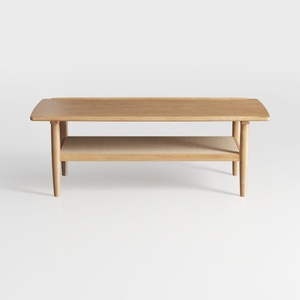
Solid Wood Coffee Table - 42.5” Firwood Farmhouse

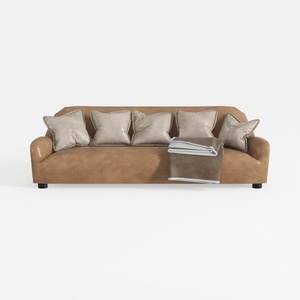
Modway EEI-6401-IVO Oasis Upholstered Fabric Sofa,

Homestyler is your go-to online home design platform! With its user-friendly design tool, stunning 3D renderings, and a wealth of DIY video tutorials, you can effortlessly create and visualize your dream spaces. Unlock your creativity and transform your home today!
Дизайн сейчас бесплатно
































