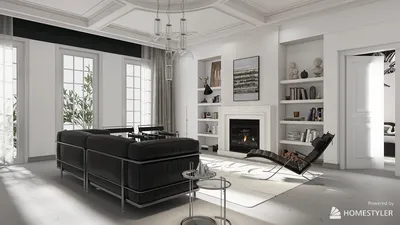


Color has a remarkable ability to visually expand a room, often more effectively than changing furniture. In smaller areas, I focus on light reflection, complementary undertones, and managing contrasts to alleviate visual clutter and maximize light. Research supports this approach: Steelcase indicates that spaces designed for optimal visual comfort enhance cognitive function and create a perception of spaciousness, especially when glare is controlled and lighting is evenly spread. The WELL v2 standard also promotes layered lighting with glare control and suitable color temperatures, which complements paint choices that reflect light softly, ensuring a pleasant ambiance.
Selecting paint is not merely about looks; it involves technical considerations. The IES suggests that residential ambient light typically aims for around 100-300 lux, with higher levels for specific tasks. Light reflectance values (LRV) above 60 are ideal, allowing walls to reflect light deeper into a room rather than absorbing it. According to Verywell Mind's overview on color psychology, cooler shades can evoke a sense of spaciousness and tranquility, while warmer tones add a comforting feel—crucial in creating the right atmosphere for small areas. I tend to utilize soft, muted colors with similar undertones to help corners blend, lift ceilings, and make perimeter walls fade away visually.
Light, LRV, and the Illusion of Space
Choosing high-LRV paints (around 60-85) encourages light to bounce around the room, minimizing contrast bands that distort how close walls appear. A matte or eggshell finish on walls can help soften glare, while a satin or semi-gloss on trim offers a crisp edge, subtly defining boundaries. In spaces with limited daylight, opting for colors that incorporate gentle cool tones (like blue, green, or violet) can balance yellowed artificial lights, keeping the room feeling fresh and open rather than dull.
The Best Color Families for Small Rooms
Soft whites, alabaster, and chiffon creams with warm or neutral undertones provide comfort without making a space feel confined. Keeping LRVs high and ensuring undertones match flooring and furnishings will prevent beige from casting unwanted hues under various lighting. Painting the ceiling a shade lighter (5-10%) than the walls enhances the perception of height.
Light gray with warm or violet undertones stabilizes small spaces and minimizes visual clutter caused by various materials. Greige harmonizes beautifully with wood tones and adds a versatile base that can adapt to changing decor.
Pale mineral or powder blue shades induce calmness and a sense of distance—ideal selections for bedrooms and compact living areas. These cool blues effectively offset warm LED lighting, ensuring walls maintain a clear appearance. A near-white ceiling with a hint of blue contributes to an expansive horizon effect.
Sage and silvery eucalyptus tones promote serenity while softening depth perception—perfect for small workspaces or dining areas. These shades harmonize beautifully with natural textures and low-sheen finishes.
Soft blush, apricot, and shell pink hues introduce warmth without constricting the space when they remain desaturated and light. Employing matte finishes will help avoid unwanted reflections that may cause orange hues under warm lighting.
Strategic Contrast: Where to Darken, Where to Lift
Contrast influences perception significantly. Excessive contrast creates a harsh interplay between dark and light, making walls seem closer; insufficient contrast leads to flat appearances. I advocate for lower-contrast walls accented by a slightly lighter ceiling and trim to create an illusion of extended space. For depth, consider adding a subtle accent: a tone that is 1-2 shades deeper behind shelves or on window walls to enhance visual dimension. Limiting accent colors to under 15% of the wall area helps maintain the room’s spacious feel.
Ceiling and Trim Strategies
Opting for ceilings painted 5-10% lighter than the walls helps create an illusion of elevation. In very low rooms, extending the wall color onto the ceiling by 2-4 inches can visually eliminate sharp lines. Using a clean, slightly brighter neutral for trim elevates sightlines, and painting doors the same color as walls can eliminate visual fragmentation, particularly effective in tighter corridors.
Tuning Color to Light Sources
The temperature of your light source is critical. For living areas, I recommend warm-white LEDs in the 2700-3000K range to preserve comfort without a yellow tint; kitchens and workspaces benefit from neutral-white lighting at 3000-3500K for clarity. If your lighting is predominantly warm, select neutrals with cooler undertones for balance; conversely, if lighting leans cool, a slight warm tint in the paint can soften the effect. Layered ambient and task lighting can help achieve IES recommendations while leveraging high-LRV walls.
Layout, Sightlines, and Paint
The full impact of paint is unlocked through thoughtful layout. Keeping the tallest storage units on the far wall guides the eye through the space, and using low-profile furniture at the entrance helps maintain depth. If you wish to test different layouts, utilizing a room design tool can help validate sightlines and wall exposures prior to deciding on your color scheme. An effective arrangement minimizes the amount of shadow on the walls, ensuring pale colors appear brighter.
Finish and Sheen: Guidelines for Small Rooms
- Walls: matte or eggshell finishes for diffuse reflection and ease of touch-ups in tight spaces
- Trim and doors: satin or semi-gloss for clean edges and enhanced durability
- Ceilings: flat finishes help conceal imperfections and reduce glare
- High-moisture areas: opt for scrubbable, mildew-resistant finishes without excessive sheen to avoid glare
Color Psychology in Compact Spaces
Crisp white tones can feel invigorating yet harsh in overly bright spaces; temperate whites, in contrast, feel more inviting. Shades of blue and green inspire tranquility and focus, making them perfect for compact bedrooms and study areas. Warm tones like peach and blush deliver desirable softness, especially in north-facing rooms. To prevent intense hues from overwhelming small spaces, it’s crucial to keep color saturation on the lower end; vibrant colors can reflect onto surfaces, changing the perception of skin tones and fabrics.
My Recommended Light-Adjusting Colors
- Soft white with warm undertones (high LRV) for versatile rooms
- Misty gray with blue or violet undertones for contemporary settings
- Mineral blue with a gray undertone for cozy bedrooms and reading nooks
- Sage or eucalyptus for tranquil study or dining areas
- Blush or peach tones for north-facing living spaces needing warmth
Common Mistakes to Avoid
- Selecting overly bright whites in low-light areas can result in a dingy appearance
- Mixing undertones (like pairing a cool wall with warm trim) without purpose can give a muddy visual effect
- Excessive use of dark accents introduces visual heaviness, reducing the perception of spaciousness
- Utilization of high-gloss finishes in smaller rooms magnifies glare and showcases imperfections
- Neglecting the impact of light temperature—paint colors can appear drastically different under 2700K versus 4000K light
Insights and Design Standards for Reference
To foster visual comfort and well-being in compact environments, I align my strategies with guidance from WELL Building Standards regarding light quality and glare management, alongside lighting criteria from IES for appropriate task levels and distribution. Thoughtful color choices work optimally when in harmony with these frameworks and are supported by furniture and lighting that enhance the overall design ecosystem, including tools like Homestyler for layout planning.
FAQ
High-LRV soft neutrals (such as warm whites and pale greige) with consistent undertones are best. Maintaining low contrast between walls, ceiling, and trim allows boundaries to dissolve.
Yes, but employing a ceiling that is 5-10% lighter than the wall color (from the same palette) offers a more sophisticated look and avoids stark divisions that can lower the perceived height.
They can work well as accents or enveloping colors, but should be used with restraint. Keeping finishes matte minimizes glare, paired with strong layered lighting, prevents the space from feeling constricted.
Opt for matte or eggshell for walls to diffuse light and mask imperfections; satin or semi-gloss on trim for definition; flat finishes on ceilings to conceal flaws.
2700-3000K yields warm whites and may give cool shades a yellow tint; 3000-3500K ensures colors remain more neutral. Adjust undertones according to the predominant light color to prevent dullness or aggressiveness.
High-contrast accents can. If depth is your goal, select the wall farthest from the entry and opt for one to two shades deeper within the same color family to ensure color harmony.
Paint large sample boards, shift them around for varying daylight and evening light exposure, and check against existing furnishings. Evaluate over different periods of the day to observe actual shifts in color perception.
Cooler and flatter in brightness, they necessitate warm-based neutrals, peaches, blushes, or warm greiges to balance and avoid a sterile feel.
Certainly—painting trim and doors the same color mitigates visual breaks, allowing walls to appear elongated. A slightly higher sheen can increase durability while subtly defining boundaries.
Place hefty furniture away from entry areas, align tall pieces against distant walls, and lessen visual disruptions. Validate your arrangement with an interior layout planner or a tool like Homestyler before finalizing color choices.
The WELL v2 emphasizes light quality and glare management, while the IES provides guidelines for illuminance; both focus on utilizing high-LRV, low-glare schemes conducive to comfort and clarity.

Modern Rattan Linen Outdoor Sofa With Decorative Throw Pillows 3D Model
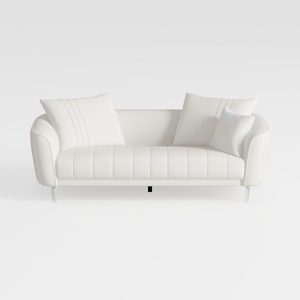
Minimalist White Leather Tufted Sofa With Throw Pillows 3D Model
GarveeHome 6 Drawer Dresser for Bedroom, Antique
Discover the endless possibilities of home design with Homestyler! This user-friendly platform features an advanced online design tool, stunning 3D renderings, inspiring design projects, and helpful DIY video tutorials. Transform your ideas into reality effortlessly and creatively today!
Zaprojektuj teraz za darmo
































