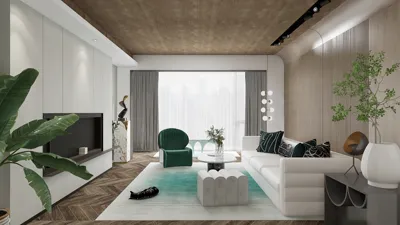


I often chuckle when I think about the client who envisioned a rec room that also functioned as a yoga studio, a movie theater, and a wine cellar—all within the confines of a space no larger than my first studio apartment. It was a close call—I almost made the rookie mistake of cramming everything in—but upon accessing a quick 3D view using Homestyler, I quickly understood the importance of a clever layout that optimizes breathing space.
1. Built-in modular seating with hidden compartments
Modular benches are one of my favorites; they not only provide continuous seating but also cleverly conceal board games and can serve as a stage during movie nights. The advantages include organized storage and versatile seating arrangements. However, precise measurements are crucial, and you might need some basic carpentry skills—or assistance from a carpenter. Budget-friendly tip: consider plywood boxes topped with cushions for a custom look without the hefty price tag.
save pin
2. Vertical entertainment wall
When space is limited, vertical solutions can be a game-changer. By mounting the television along with floating shelves for consoles and pegboard hooks for controllers, you can free up floor space and enhance visibility. Just ensure that wiring and ventilation are well managed—hiding cables behind panels and leaving gaps for airflow is essential.
save pin
3. Foldable game surfaces and zoning techniques
Utilizing slim wall-mounted tables or folding ping-pong tops can effortlessly transform the same area from a gaming zone to a crafting space. I often draw inspiration from kitchen zoning principles, which help define distinct areas within a small room, making it feel like multiple zones. While this method is elegant, ensure that hinges and mounts are robust enough for everyday use.
save pin
4. Smart lighting and soundproofing layers
Incorporating layered lighting—ambient, task, and accent—can significantly enhance the perception of space in a compact rec room, making it feel both larger and cozier. Adding sound-absorbing panels or heavy curtains can mitigate echoes, improving the experience for movie nights and conversations. However, be aware that some acoustic treatments might reduce brightness; striking a balance between reflectivity and absorption is crucial.
save pin
5. Compact tech center: projector, mini fridge, and convertible surfaces
Projectors are excellent space savers compared to traditional TVs, and a slim, mobile cart can accommodate a mini fridge, speakers, and gaming consoles. For those eager to innovate, experimenting with simple AI-assisted designs can quickly unveil numerous configurations that suit smaller spaces. The key is to manage cables effectively and opt for compact, energy-efficient technology.
save pin
FAQ
Q1: What’s the ideal seating option for a small rec room?
A: I suggest lean towards modular benches or loveseats that include built-in storage; these options optimize seating while avoiding clutter. Choose low-profile pieces to maintain open sightlines.
Q2: Is using a projector feasible in a small room?
A: Absolutely—short-throw projectors are perfect for tight spaces and keep the floor uncluttered. Just manage ambient light using blackout curtains for the best viewing experience.
Q3: How can I keep cables organized in a compact setup?
A: Implement raceways behind walls or along the baseboards, and consolidate devices on a single surge-protected power strip. Labeling cords will make any future adjustments easier.
Q4: Are acoustic panels essential?
A: Yes, particularly in rec rooms focused on music or movies; panels help reduce echo and enhance sound clarity. Fabric-wrapped options can be tailored to complement your decor.
Q5: How much should I budget for creating a smart small rec room?
A: You can set up a functional space for a few hundred dollars by using DIY storage and modest projectors, while a custom high-end setup may require several thousand. Focus on items that significantly enhance the overall experience.
Q6: What can I do to make a small rec room more family-friendly?
A: Select durable, stain-resistant fabrics, opt for furniture with rounded edges, and ensure that screens are securely wall-mounted. Keeping fragile items out of reach and using soft flooring options for children is also advisable.
Q7: Are there any zoning principles I should follow?
A: Maintain clear visual distinction between active areas (like games) and passive ones (like movie-watching) using rugs, lighting, or shelving. This approach avoids one activity from dominating the entire space.
Q8: Where can I find standards for lighting?
A: For dependable advice on residential lighting levels and best practices, consult the Illuminating Engineering Society (IES) recommendations, which are widely regarded in the industry.
save pin
Discover the ease of home design with Homestyler! This user-friendly platform offers an intuitive online design tool, stunning 3D rendering, diverse design projects, and helpful DIY video tutorials. Transform your space effortlessly and unleash your creativity today!
تصميم الآن مجانا
































