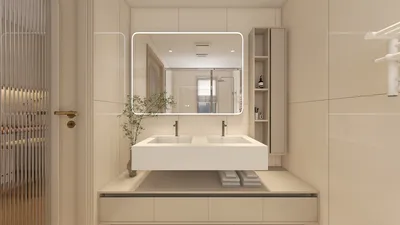


When designing small pool houses, I treat them like compact urban apartments: each square foot should serve a purpose. By employing tactical zoning, versatile elements, and authentic materials, you can create an impressive poolside getaway that accommodates guests, storage, and shade without blowing your budget. Incorporating tools like Homestyler can help visualize your layout efficiently.
The initial step in space planning is crucial. The National Kitchen & Bath Association (NKBA) recommends maintaining a clear pathway of 36 inches for safe circulation in smaller spaces, with 42 inches preferred in busier areas. By situating doors and main walkways within this range, you can prevent awkward overlaps when wet items and loungers come into play. In terms of performance, the WELL v2 guidelines emphasize the importance of thermal comfort and proper ventilation for the well-being of users; consequently, ensure that there are controlled cross-ventilation options and shaded spots to keep temperatures manageable on hot days, especially for children and elderly guests who may be more sensitive to heat.
Seating and storage are essential elements that dictate the daily flow in a compact environment. Research from Steelcase shows that easily accessible storage minimizes chaos in shared areas; pool houses equipped with open cubbies near entry points help reduce the odds of towel piles and clutter. I always place storage within a quick reach of the entrance—no need for deep closets that trap damp items. For effective layout simulations before construction, a room layout tool like Homestyler can assist in visualizing paths, seating arrangements, and transitions to shaded areas.
Establishing Three Micro-Zones in a Compact Area
Even a tiny 10'×12' pool house can accommodate three key functions: changing, lounging, and storing equipment. I differentiate these areas using economical dividers—like open shelving, half-height walls, or curtain tracks—to sustain good airflow while ensuring each zone feels deliberate. Position the changing area nearest to the door, the lounge against the sunniest wall, and storage in shaded corners to safeguard inflatables and towels from sun damage.
Opt for Authentic and Durable Materials
Moisture is the adversary of cost-effective projects. It's important to choose breathable materials such as cement board, sealed plywood, corrugated metal for exterior touches, and limewash on masonry for a subtle, forgiving texture. For flooring, employ slip-resistant porcelain tiles (R11 finish) or textured concrete that balances safety and affordability. It’s best to avoid high-gloss finishes on floors or benches, as they contribute to glare and slippery conditions when wet.
Lighting: Bright Where Necessary, Soft Where You Relax
For task lighting over changing benches, aim for a brightness of 300–500 lux in alignment with IES guidelines for general activities, while lounging areas can be more subdued with 100–200 lux. Utilizing warm-white LEDs (2700–3000K) fosters a relaxing atmosphere during evening gatherings; focus on 3500–4000K in prep and cleanup locations to ensure color precision. Ensure that your luminaires are dimmable, allowing transitions from daytime gatherings to nighttime swims without harsh light contrasts. Additionally, cover exposed bulbs; glare on reflective surfaces can be tiring for the eyes.
Affordable Ventilation and Thermal Comfort Solutions
Cross-ventilation is the most cost-effective HVAC remedy. Installing two operable windows on opposing walls along with a screened transom above the door can keep air circulation optimal. When adding a fan, select models that operate below 40 dB to prevent noise fatigue. Installing deep overhangs (24–36 inches) or a simple reed-shaded pergola can manage radiant heat without enclosing the area.
Functional Furniture Choices
I recommend fold-down wall benches for changing, a slim outdoor sofa with removable fabric for lounging, and a mobile cart for towels and sunscreen. Selecting UV-stable materials such as solution-dyed acrylic and powder-coated frames ensures longevity beyond trends, while also handling splashes effectively. Ottomans with hidden storage can serve dual functions as seating and drop-off areas for items.
Color Psychology: Maintain Calmness and Clarity
Cool shades—gentle aquas, soft greens, and pale greys—create a perception of cooler temperatures and harmonize with water. According to color psychology insights from Verywell Mind, blues and greens are associated with tranquility and concentration; pool houses benefit greatly from this soothing environment. Limit bold accent colors to a single feature, like a door or stripe, to keep the space visually clear rather than overwhelming.
Practical Storage: Open, Ventilated, and Flexible
Wet items require airflow. Open-slat shelving, wire baskets, and wall-mounted hooks outshine closed cabinets in humid weather. If you opt for doors, choose perforated styles to avoid mold growth. An organized bin system (goggles, toys, sunscreen, cleaning supplies) can streamline tidying up. Position heavier items at waist height; studies indicate that reducing lift strain occurs when items are positioned between mid-thigh and chest levels.
Cost-Effective Envelope Improvements
Invest wisely in crucial areas like roofing, flooring, and door hardware. Coating the roof with a white or metalized finish helps deflect heat; a solid-core exterior door fitted with a straightforward latch is built to endure the seasons. To save on finishes, consider limewash or mineral paint for their beautiful aging process, low VOC content, and ease of refreshing.
Enhancing Acoustic Comfort Outdoors
Hard surfaces amplify sound. Introducing mat rugs, fabric curtains, and wooden seating can help soften echoes considerably. If you're hosting nighttime events, consider adding perforated wood panels or a living wall along the louder boundaries to control sound spillover to neighbors.
Frequent Layout Adjustments I Utilize
- Displace the door from the lounge to prevent direct water views into more private areas.
- Maintain 36–42 inches free of obstacles from the door to the front of the changing bench.
- Stagger hooks along a 60-inch stretch of wall at intervals of 10–12 inches, avoiding overcrowding.
- Limit the lounge area to 60% of the total room size; keep the remaining space for storage and circulation.
- Utilize layout simulation tools like Homestyler to test traffic flows during gatherings and exit routes when wet.
User-Friendly DIY Details
Install a wall rail at a height of 42 inches for organizing hooks and baskets—this makes reconfiguration straightforward. Add a narrow shelf behind the lounge for potentially keeping drinks, books, and phones. A motion-sensor light powered by batteries at the entrance simplifies access during nighttime. Make sure to seal all wooden edges; pool splash will find any gaps.
Small Enhancements That Make a Big Impact
- Plug-in heated towel rails provide comfort during transitional seasons.
- An exterior shelf for plants and citronella candles offers both aesthetic appeal and pest control.
- A mirror panel positioned opposite the door reflects daylight deeper into the space.
- A simple outdoor shower head equipped with a privacy screen is perfect for quick rinses.
Cost Considerations: Where to Cut Back and Where to Invest
Areas to trim include decorative cladding, oversized glazing, and custom woodwork. Areas to invest in are slip-resistant flooring, durable roofing, corrosion-resistant hardware, and adjustable lighting. A quality floor minimizes injuries; a solid roof prolongs the need for replacement.
Frequently Asked Questions
Q1: What is the smallest comfortable size for a small pool house?
A: Approximately 10'×10' is sufficient for changing and storage. If a lounge area is desired, aim for 10'×12' to ensure a 36-inch clear pathway according to NKBA guidance.
Q2: How bright should lighting be in a compact pool house?
A: Aim for 300–500 lux in task zones as per IES directives, with lounge areas set at 100–200 lux. Use LEDs in the 2700–3000K range for a cozy atmosphere and around 3500–4000K for functional zones.
Q3: Which materials combat moisture effectively on a budget?
A: Consider textured concrete, R11 porcelain tiles, sealed plywood, cement boards, powder-coated metals, and solution-dyed acrylic fabrics. Steer clear of shiny floor finishes that can increase glare and risk of slipping.
Q4: How can I avoid mildew in storage areas?
A: Opt for open shelves, wire baskets, and perforated doors to ensure proper airflow. Keep wet items ventilated and avoid deep, enclosed cabinets. Store items in shaded areas to reduce heat accumulation.
Q5: Is mechanical ventilation necessary?
A: Not necessarily. Two operable windows on opposite walls coupled with a screened transom typically suffice. If a fan is added, select a model that operates below 40 dB for acoustic comfort.
Q6: Which colors are ideal for spaces near water?
A: Gentle blues, greens, and greys promote tranquility, as indicated by color psychology studies. Use bold colors sparingly to maintain visual balance in smaller areas.
Q7: What is the best strategy for planning layouts prior to construction?
A: Establish pathways of 36–42 inches, designate zones (changing, lounge, storage), and visualize them using room design tools like Homestyler to assess traffic patterns and sunlight exposure.
Q8: How can I enhance thermal comfort cost-effectively?
A: Incorporate 24–36 inch roof overhangs or straightforward pergolas, utilize light colors on exteriors to minimize heat absorption, and arrange openings to encourage cross-ventilation in line with WELL v2 comfort principles.
Q9: What budget-friendly lighting tips exist for nighttime use?
A: Consider using dimmable LED strips under shelves, shielded wall sconces, and a single motion-activated light at the entrance. Aim for warm white light and position fixtures away from water sources to limit glare.
Q10: What ergonomic heights should I consider?
A: Set hooks at 60–66 inches high, rails at around 42 inches, and ensure heavy items are stored between mid-thigh and chest height to minimize physical strain while lifting.
Q11: How can I manage noise around the pool house?
A: Introduce soft elements such as outdoor mats, curtains, and wooden benches, and consider adding a perforated panel or greenery at noisy borders to reduce echoes and sound ripple into adjacent properties.
Q12: When funds are limited, where should I allocate spending?
A: Prioritize spending on slip-resistant floors, durable roofing and door hardware, and flexible lighting. These elements impact safety, durability, and comfort more than decorative features do.
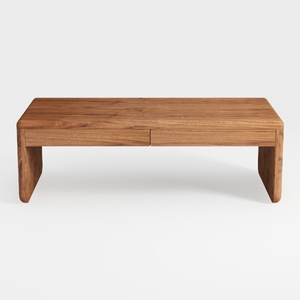
Coaster Home Furnishings Lynette Rectangular Eco F

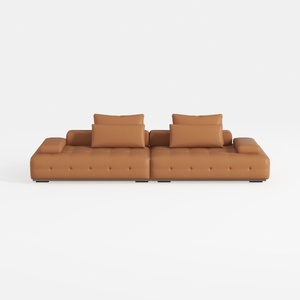

Valencia Nathan Nappa Leather Couch - 4 Seats with
Discover your dream home design with Homestyler! This innovative online platform offers a user-friendly design tool, stunning 3D renderings, and a wealth of creative design projects. Plus, with engaging video tutorials, you'll have everything you need to elevate your DIY skills and bring your vision to life!
Progetta ora GRATIS
































