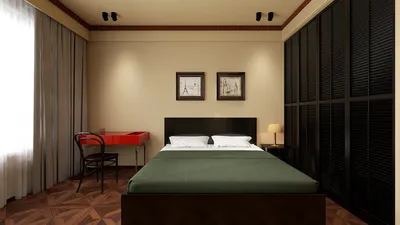


Having designed numerous small living rooms that incorporate a bar, I’ve found the most successful setups harmonize hospitality with open flow. The objective is to create a bar area that complements everyday activities—whether it’s enjoying morning coffee, evening cocktails, or hosting on weekends—without overwhelming the space or obstructing sightlines. Using tools like Homestyler can aid in visualizing and planning these spaces effectively.
Choosing the right scale is crucial. Recent studies on workplaces and residences indicate that people prefer environments that accommodate various functions, such as socializing, relaxation, and focused dialogue. Gensler’s research highlights a positive correlation between flexibility and user satisfaction; spaces adaptable to different uses yield greater contentment (Gensler Research Institute, Workplace Survey). To ensure comfort, the WELL v2 guidelines advocate for ambient lighting levels between 150–300 lux for living areas, with task lighting adjusted higher as necessary; these levels prevent eye strain while cultivating a relaxed atmosphere (WELL v2 LM1/LM2 guidance). These standards influence my lighting approach for bar areas in compact rooms.
Establish the Function of the Bar First
Determine if the bar will serve as a regular fixture or just for special occasions. A daily-use bar may integrate a 24–30 inch undercounter fridge, a slim 12–15 inch wine cooler, and a pull-out section for glassware. If it's more for entertaining, a leaner design like a 36–48 inch console with hidden storage and a tray-top could suffice. Maintain a depth of 12–18 inches to facilitate movement around the space.
Select the Optimal Location
Bars function best along a secondary wall or tucked into a recess, avoiding conflict with the media area. Ensure a clear walkway of 30–36 inches in front of the bar. If you're rearranging furniture, consider using a layout planner to simulate party flow in comparison to regular pathways; I always test stool positions, door swings, and fridge access zones.
Lighting Layers for Aesthetic and Utility
In small living spaces, indirect light is beneficial. Aim for ambient light levels around 200–250 lux, supplementing with task lighting over preparation areas that reach approximately 300–500 lux. Under-cabinet LEDs emitting 2700–3000K warmth enhance the beauty of glassware without causing glare. Following IES standards, it’s advisable to maintain appropriate shielding angles while avoiding direct light sources in the eye line. Accent lighting, like a slender picture light over bottles, adds charm without significantly increasing brightness.
Effective Compact Solutions
• Console Bar: A narrow 12–15 inch deep console positioned behind a sofa or along a wall can incorporate a mirror or ribbed wood backdrop for additional dimension.
• Niche Bar: This design features a recessed alcove with sliding fluted doors, ideal for small circulation spaces.
• Corner Cabinet: A 24 inch diagonal corner unit with a curved front offers a softer appearance suitable for compact rooms, particularly near windows.
• Mobile Cart: Utilizing a tiered bar cart allows for seasonal adjustments and maintains a light footprint.
Seating Solutions that Minimize Clutter
In smaller areas, eliminate fixed stools unless a clear 42 inches of space is available behind them. Instead, consider nesting tables for temporary seating or a single low-back swivel chair that can rotate between lounging and bar functionality. It's important to maintain a 1:1.2 ratio between the length of the sofa and the width of the bar: for example, a 72 inch sofa pairs well with a bar console of 60–72 inches; anything wider risks visual disruption.
Material Selections and Color Schemes
The choice of materials can either compress or expand a room’s feel. A satin-finish on walnut or oak provides warmth, while light-toned high-gloss lacquer can reflect light and create an open atmosphere. Low-iron mirror or antiqued mirrors can add depth without looking too stark. According to color psychology, muted blues and greens promote relaxation and a sense of spaciousness; Verywell Mind notes that blue shades often evoke feelings of calm and stability (verywellmind.com/color-psychology). Use contrasts sparingly, such as a dark countertop paired with mid-tone cabinetry and lighter walls, to maintain a clear visual hierarchy.
Creating Acoustic Comfort
Bars often introduce hard surfaces, which can create noise. To balance this, incorporate a dense rug (≥0.45 NRC equivalent from layered textiles), fabric-faced speakers, and soft microfibre upholstery. Store bottles and glassware behind soft-close mechanisms to minimize clattering sounds. For frequent entertainers, a felt-lined drawer can help dampen high-frequency noise.
Discreet Storage Options
Focus on vertical organization: install stemware racks no higher than 48 inches off the ground for easy access and allocate 6–8 inch deep shelves for bottle storage to avoid overcrowding. A single drawer designated for bar tools with custom dividers maintains a sleek exterior. Conceal appliances behind vented panels; rhythmic perforations can enhance the design.
Essential Plumbing, Power, and Venting
If plumbing for a small sink is feasible, keep the design to 15–18 inches with a compact pull-down faucet. Otherwise, utilize a tray with easy access to the kitchen. Ensure there’s a dedicated 15A circuit for the fridge and under-cabinet lighting, with features like dimmable drivers. Allow for heat exhaust with undercounter units, which generally require at least 1–2 inches of clearance.
Achieving Visual Rhythm and Equilibrium
In smaller settings, creating visual rhythm is more important than scale. Employ a 3–5-7 structure: three main features (sofa, media area, bar), five supportive items (art, lamp, plant, side table, rug), and up to seven accents (books, bowls, bottles). This guideline helps avoid overwhelming visuals. Keep bar styling in odd group arrangements and ensure that at least 30% of shelf space remains clear.
Tested Micro Layouts
• L-Shape Living with Side Bar: This arrangement positions the sofa slightly off the long wall while placing the bar niche along the short wall near the entrance, creating a comfortable circulation loop. Use an interior layout planner to confirm a 30–36 inch path.
• Media Wall with Console Bar: The bar serves as a low console behind the sofa, matching the height of the backrest (approximately 30–32 inches). This setup works well in tight spaces where side walls feature doors or windows.
Personalized Styling Tips
Limit your color scheme to three main colors and two metal finishes (for example, brushed nickel and black). Incorporate one standout textural element—such as ribbed wood, cane weave, or leather pulls—to give the bar character. Only display what you frequently use at the front, storing the remainder behind closed doors for a serene appearance.
Ergonomics and Safety
Keep countertop heights at 36 inches for preparation or 42 inches for seating at the bar; edges should be softly rounded to minimize any risk of bruising. If a small refrigerator is included, position the handle on the aisle side to facilitate easier access. For safe lifting, ergonomically place heavier bottles between knee and elbow height.
Cost-Effective Enhancements
Begin with upgrades to lighting and hardware: installing dimmable LED strips, an adjustable sconce, and sturdy metal pulls can elevate a basic cabinet. Using peel-and-stick stone veneers or microcement can economically improve a plain console surface. A framed mirror can greatly enhance the perception of space without needing a larger unit.
Frequently Asked Questions
For optimal design, plan for a width of 36–48 inches and a depth of 12–18 inches, ensuring a clear walkway of 30–36 inches in front. When space is limited, a 24–30 inch mobile cart is a practical solution.
Layer ambient light at approximately 200–250 lux and task lighting around 300–500 lux. Warm white under-cabinet LEDs in the range of 2700–3000K minimize glare and enhance finishes.
Only if you have at least 42 inches of clearance behind stools. Otherwise, consider using portable seating alternatives like nesting tables or a swivel chair.
Opt for light-toned matte cabinetry, low-iron mirror backs, and sleek metal fittings. While high-gloss panels can reflect light effectively, use them sparingly to prevent glare.
Mitigate noise with features like felt-lined drawers, soft-close hinges, and a plush rug that absorbs high-frequency sounds. Keep open shelving minimal to maintain order.
No. A dry bar setup relying on a tray and nearby kitchen access is efficient. If plumbing is feasible, select a compact 15–18 inch sink with appropriate venting options.
Position it on a secondary wall or within a recess to avoid conflicting with the room’s focal point. Ensure unobstructed sightlines and circulation pathways.
Desaturated blues and greens promote tranquility, while warm neutrals maintain an inviting atmosphere. Limit your metal finishes to two for visual consistency.
Map out circulation routes, door swings, and the reach of seating. Employ a layout simulation tool to assess stool clearance and console depth prior to purchasing.
Maintain a 36 inch height for prep surfaces; 42 inches for bar seating. Softly rounded edges improve comfort and enhance safety.

Homestyler is your go-to online home design platform! With its user-friendly design tool, stunning 3D renderings, and a wealth of inspiring design projects and video tutorials, you can easily craft your dream spaces and bring your vision to life. Perfect for both beginners and DIY enthusiasts!
Desain sekarang Gratis
































