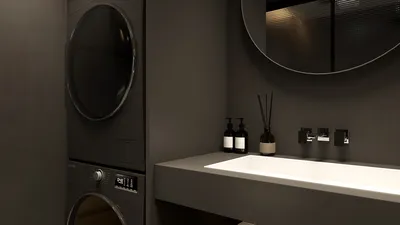


Once, I had a client who insisted on placing a grand piano in a galley kitchen—believe it or not. After courteously pointing out that only one of those two could realistically fit, I grasped a valuable lesson that I still apply today: small kitchens compel creativity and decisiveness. If you find yourself in a compact kitchen space, these five strategies will help you utilize every inch efficiently, enhancing circulation and optimizing storage while also allowing you to visualize outcomes with practical galley layouts, possibly with the help of Homestyler.
1. Prioritize the galley workflow
Arrange the stove, sink, and refrigerator in a logical sequence: parallel runs are ideal for prep efficiency in confined areas. The advantage lies in promoting ultra-efficient movement; however, it requires discipline regarding appliance size and clearance to prevent cooking mishaps.
save pin
2. Opt for continuous counters and streamlined appliances
A seamless counter with built-in appliances creates an illusion of length and cleanliness in a galley kitchen. Budget-conscious homeowners should consider slimline appliances, as integrated units might incur higher initial costs—but they are worthwhile for a cohesive aesthetic.
save pin
3. Maximize vertical storage
Installing floor-to-ceiling cabinets, a pull-out pantry, and open shelving draws the eye upward and liberates essential floor space. When planning the layout, I often start by charting the cabinet runs to avoid obstructing movements—consider using a straightforward measuring and planning method to assess how cabinets and doors will function before making a purchase.
save pin
4. Introduce a narrow island or mobile cart
If an island can fit, ensure it remains sleek (approximately 24 inches wide) or utilize a rolling cart that can be easily stored away. This provides additional prep space and storage without obstructing movement; however, be prepared to adapt to temporary dining arrangements.
save pin
5. Incorporate light, reflective materials and layered lighting
High-sheen cabinet surfaces, a light and continuous backsplash, and under-cabinet lighting can greatly enhance the visual expanse of a galley, improving task visibility. Before beginning renovations, I like to present clients with a realistic 3D rendering—this way, they can comprehend how finishes and lighting contribute to perceived space.
save pin
Budgeting and practical tips
Begin by considering clearance: aim for a minimum of 42 to 48 inches between counters for a single cook, with more space for two chefs. It's essential to invest in durable flooring and easy-to-maintain backsplashes, as smaller areas show wear much quicker if you opt for lower-quality finishes. Also, recognize that some custom solutions may enhance functionality but could elevate costs.
save pin
Frequently Asked Questions
Q: What is the recommended minimum width for a galley kitchen? A: According to the National Kitchen & Bath Association (NKBA), there should be at least 42 inches between countertops for a single cook, with 48 inches preferred for dual chefs (see nkba.org for detailed guidelines). This ensures sufficient circulation and proper appliance door access.
Q: Is it feasible to incorporate an island in a galley kitchen? A: Certainly, but it must remain narrow—typically about 24 inches deep—while allowing at least 36 to 42 inches of clearance on both sides. A mobile cart serves as a flexible, cost-effective alternative, providing prep space and storage.
Q: What flooring is most suitable for narrow kitchens? A: Choosing long, narrow planks laid parallel to the galley can visually elongate the space. Porcelain tiles or resilient vinyl are excellent choices for their durability and water resistance in bustling, spill-prone environments.
Q: How can I make a galley kitchen feel more spacious? A: Utilize light color schemes, reflective surfaces, and uninterrupted countertops to foster visual continuity. Open shelving along with under-cabinet lighting can reduce visual congestion and brighten workstations.
Q: Is open shelving practical for a galley kitchen? A: Absolutely—open shelves make frequently accessed items more reachable and create a lighter feel than full upper cabinets. The compromise involves increased dusting and a need for consistent styling to avoid clutter.
Q: How much should I set aside for a small galley remodel? A: Costs can vary greatly based on location and quality of finishes; budgeting for a basic update that involves painting and refacing on the lower end, and complete gut renovations including new plumbing and appliances on the higher end, is advisable. Gathering a few estimates can help you establish realistic expectations.
Q: Should plumbing or electrical systems be relocated in a galley kitchen? A: Try to minimize the relocation of plumbing and major electrical setups if you’re working within a tight budget—keeping the sink and key appliances in place can be cost-effective. If you need to enhance the flow, consult an expert to weigh the expense against long-term value.
Q: How can I test a layout before making a commitment? A: A straightforward floor plan mock-up—such as marking measurements on the floor—is effective, but for clearer visualization, a 3D design using a tool like Homestyler can help identify potential clearance challenges prior to beginning construction.
save pin
Discover your inner designer with Homestyler! This user-friendly online platform offers an incredible design tool, stunning 3D renderings, and a wealth of inspiring design projects. Plus, with DIY video tutorials, transforming your living space has never been easier. Start creating today!
Desain sekarang Gratis
































