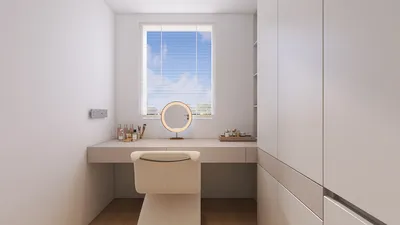


Compact student rooms can surprisingly offer a sense of spaciousness when the arrangement, lighting, and storage systems are harmonized effectively. I emphasize the importance of unobstructed pathways, multipurpose furniture, and a cohesive visual style to minimize clutter and mental strain—essential for maintaining focus and relaxation during a demanding academic schedule. Research consistently indicates the influence of environment on performance: Steelcase's studies reveal that well-designed educational spaces can boost student engagement and achievement by as much as 25% when aspects such as comfort, flexibility, and acoustics are optimized (Steelcase Learning Environment Insights). Likewise, guidance from WELL v2 connects appropriate lighting (daylight availability, glare management, and color accuracy) with enhanced cognitive functionality and improved sleep patterns.
The quality of lighting is crucial in small spaces. The Illuminating Engineering Society (IES) suggests a range of approximately 300–500 lux for effective task lighting at desks; achieving this range not only enhances reading speed but also alleviates eye strain. Ergonomics are equally vital: Research by Herman Miller identifies a neutral seating position (feet flat, knees and elbows around 90 degrees) to ensure long-term comfort and prevent musculoskeletal discomfort—particularly important during late-night study sessions. For more in-depth information, consider exploring WELL v2's Light concept for detailed metrics and recommendations on glare management and circadian alignment.
Creating Defined Zones in a Small Space
I categorize smaller rooms into three distinct zones: study, sleep, and storage. The study area is positioned near the window to benefit from natural light, supporting the body's circadian rhythm; the sleep area is placed away from direct sunlight or equipped with blackout curtains to ensure restful sleep; finally, the storage zone is consolidated along one wall for a streamlined appearance. While experimenting with different configurations—like positioning the bed against the long wall or a floating desk—I utilize a room layout tool to visualize traffic flow and sightlines. This approach helps avoid blocked spaces and ensures that the door swing, chair room, and wardrobe access are functional.
Efficient Layout Techniques for Maximizing Every Space
• Lofted or raised bed: This design creates a cozy study nook underneath. Ensure there’s enough space of about 190–210 cm for comfortable sitting. Incorporate task lighting and a cable management system for gadget organization.
• Daybed with a pull-out trundle: This versatile piece serves as seating during the day and transforms into a bed at night. Opt for designs with slim arms and exposed legs for a more open feel.
• Wall-mounted drop-down desk: This foldable surface provides a neat workspace with a compact shelf above for easy access to books while staying out of the way. Pair it with a small ergonomic chair for comfort.
• Slim wardrobe combined with vertical shelving: A wardrobe that is 40–50 cm deep, featuring a mirrored door, can create an illusion of more space and also functions as a grooming station.
• Sliding or pocket doors: If space allows, use sliding panels for closets or division, as they require less clearance than traditional hinged doors.
Key Components for an Ergonomic Study Station
The desk height should be set between 71–76 cm for the majority of adults. The top of the monitor should align with or be slightly below eye level, with a viewing distance of 50–70 cm. A lamp providing 300–500 lux at the work surface, along with a warm-neutral color temperature (3000–4000K), minimizes glare while maintaining alertness. I recommend combining task lighting for concentration with ambient lighting to promote mental relaxation. Proper cable management using clips and trays can significantly enhance organization. Adhering to Herman Miller’s posture recommendations helps in adjusting seat height, back support, and armrest positioning for long-lasting comfort.
How Lighting Influences Mood
Lighting plays a significant role in shaping behavior. Having daylight available near the desk enhances alertness; meanwhile, a dimmable lamp near the bed indicates it's time to unwind. I prefer high CRI lighting to maintain true color representation, which enhances the overall ambiance of small spaces. It's essential to avoid direct view of bare bulbs—incorporating diffusers or shades can control glare effectively. In rooms with a west-facing window that experiences harsh afternoon sunlight, layering sheer and blackout curtains can help manage light glare and privacy.
Understanding Color Psychology in Compact Spaces
Colors can signify different functions without adding visual chaos. Soft neutral palettes (like warm greige or pale sage) can create an illusion of space by reflecting light, while vibrant accents—a cobalt chair or a terracotta container—can inject energy precisely where needed. For study zones, cool undertones foster concentration; for sleeping areas, warm tones promote a sense of calm. Aim for a color distribution of 70% light neutrals, 20% medium tones, and 10% vivid accents to avoid sensory overload.
Invisible Storage Solutions
In limited spaces, storage should be vertical and blended into the décor. Consider utilizing under-bed drawers, cubbies built into headboards, and a singular tall shelf unit rather than multiple smaller ones. Clear storage bins with labels within wardrobes help streamline decision-making. I appreciate having pegboards above study areas for flexible storage, which keeps supplies visible yet organized, preventing the need to rummage through drawers while studying.
Maintaining Acoustic Comfort
Excessive noise quickly detracts from focus. Utilizing a soft rug, a padded headboard, and fabric drapes can absorb mid to high-frequency sounds, while book spines and cork boards can help scatter noise. It’s wise to avoid hard parallel surfaces; staggering shelves slightly can help break sound reflections. Additionally, a compact white-noise device or app can cover up occasional disturbances from the hallway without significantly raising the noise level.
Selecting Materials with Sustainability in Mind
It’s important to choose durable, low-VOC materials for tight spaces that are frequently utilized. Consider using FSC-certified plywood for custom shelving, powder-coated steel for structure, and washable woven fabrics for bedding. Textured materials—like matte paint or slub upholstery—can add visual depth without creating clutter. Items like reusable containers and modular furniture allow the room to adapt as academic needs change.
Visual Proportions and Balance
Even in limited footprints, the proportions of furniture can create a sense of tranquility. Position larger furniture along one axis, establishing a visual focal point (like a desk or bed) balanced with a vertical component (like a wardrobe or bookcase). Maintain clear pathways of at least 75–90 cm for movement. I strive to align lighting features, artwork, and shelving in a coordinated manner—often employing a gentle rhythm, such as a 3:2 visual repeat—allowing the eye to navigate comfortably and making the space feel well-planned.
Personal Touches Without Overcrowding
Incorporating pinboards, a small gallery shelf, or a standout textile can infuse character without overwhelming the space. Regularly updating displayed items helps prevent visual fatigue. A small houseplant near the window—preferably a low-maintenance variety—can introduce biophilic elements and subtly enhance humidity control.
Integrating Smart Technology
Utilize a multi-outlet surge protector with USB-C ports to keep chargers organized. A compact task lamp with a dimming function, a clip-on reading light for the bed, and a discreet sensor light in the closet cover most illumination needs while avoiding excess equipment. A timer-controlled diffuser can enhance wind-down routines.
Examples of Effective Micro Layouts
• 8–10 m² room: Position a daybed against the long wall; a narrow desk under the window; a tall wardrobe on the opposite side; pegboard above the desk; a rug to delineate the study space.
• 12–14 m² room: A lofted bed with a desk below; wardrobe placed against one short wall; a compact lounge chair by the window; layered curtain treatment; a wall-mounted drop-down table for group work.
Engaging an interior design layout tool like Homestyler helps visualize chair spacing, bed access, and sunlight angles before final decisions are made.
• Ensure a lighting level of 300–500 lux on the desk; include an ambient lighting layer.
• Establish a neutral palette with 10% accent colors for energy.
• Implement vertical storage solutions such as under-bed bins.
• Maintain clear circulation paths of 75–90 cm.
• Adjust chair height and monitor placement according to ergonomic standards.
• Employ soft materials to enhance acoustic comfort.
• Select low-VOC, sturdy materials.
Frequently Asked Questions
Q1: What level of lighting should I aim for at my desk?
A: Target a lighting level of approximately 300–500 lux at the work area, following IES standards for task lighting, which can alleviate eye stress while facilitating reading and computer tasks.
Q2: How should I position the desk in a cramped room?
A: Position it near the window for natural light, using sheers or blinds to control glare. Ensure there's space for the chair's movement and the monitor is shielded from direct sunlight. Experiment with layouts using a room design visualization tool like Homestyler before settling on a final arrangement.
Q3: What chair features are crucial for prolonged study sessions?
A: Look for features that allow height adjustments, lumbar support, and armrests that enable elbows to rest comfortably at around 90 degrees. Research from Herman Miller highlights the importance of maintaining a neutral sitting posture to lessen physical tension.
Q4: Which colors enhance focus without making the room feel cold?
A: Opt for light neutrals with cooler hues for desk areas (like soft gray or pale sage) and warmer accents in other regions. Sticking to the 70/20/10 color ratio helps to avoid sensory overload.
Q5: What are effective ways to minimize noise in a dorm without major renovations?
A: Incorporate a rugs, fabric curtains, and an upholstered headboard; also use books and cork boards to help absorb sound. A subtle white-noise machine can effectively mask sporadic sounds from the hallway.
Q6: What are the best storage solutions for small student rooms?
A: Focus on vertical options: utilize tall shelving, under-bed drawers, and a single streamlined wardrobe. Pegboards located above the study area help keep vital items organized and within reach.
Q7: Are loft beds beneficial?
A: Definitely, provided that ceiling height permits. They free up floor space for a complete study area beneath. Ensure adequate safety clearance and implement task lighting to avoid shadows.
Q8: How can I prevent the space from feeling cluttered?
A: Keep heavy furniture concentrated along one axis, maintain clear pathways of 75–90 cm, use high-CRI lighting, and select furniture with lifted bases to create a visually open environment.
Q9: Which sustainable materials should I prioritize?
A: Seek out low-VOC paint, FSC-certified wood, powder-coated metal, and durable woven fabrics. These options support healthy indoor air quality and stand up to the rigors of student life.
Q10: How can I balance the cues for studying and sleeping?
A: Utilize brighter, cooler lighting for study areas; install warmer, dimmable lights in the sleeping area. Employ blackout curtains or masks to secure sleep schedules, and strive to keep night-time clutter concealed.
Q11: What are some quick enhancements if furniture can't be changed?
A: Introduce a clamp lamp for proper task lighting, a pegboard for vertical storage, a soft rug for sound absorption, and a small gallery shelf for personalization that avoids overcrowding.
Q12: How can I manage cables neatly?
A: Use a surge protector with USB capabilities, attach adhesive cable clips underneath your desk, and use a small tray to keep chargers organized and minimize visible clutter.




If you're looking to transform your home with ease, Homestyler is your go-to online design platform! Featuring a user-friendly design tool, stunning 3D renderings, and a wealth of design projects and video tutorials, you’ll find everything you need to create your dream space effortlessly.
Projete agora para LIVRE
































